

About — Liveaboard Bali Charters
Liveaboard Bali Charters is the premier luxury marine concierge of the Juara Holding Group
Our Story: Redefining Indonesian Marine Exploration
Liveaboard Bali Charters is the premier luxury marine concierge of the Juara Holding Group, born from a deep-seated passion for Indonesia’s unparalleled maritime heritage and a commitment to delivering truly bespoke travel experiences. While our name is rooted in Bali, the world’s capital of tropical hospitality, our reach extends across the entire Indonesian archipelago, from the dragon-guarded islands of Komodo to the otherworldly seascapes of Raja Ampat.
Our journey began not as a travel agency, but as a project of passion by the founders of Juara Holding Group, a company with a distinguished portfolio in Indonesian luxury development and asset management. They observed a gap in the market: while magnificent Phinisi schooners sailed the seas, the service connecting discerning global travelers to these vessels often lacked the meticulous, personalized touch that defines true luxury. The process was fragmented, opaque, and lacked the assurance of a trusted, expert-led authority.
We set out to change that. Liveaboard Bali Charters was established to be more than a booking platform; we are a dedicated concierge service. Our mission is to curate flawless, end-to-end sea voyages that reflect the unique desires of each client. We leverage the extensive network and operational excellence of Juara Holding Group to manage every detail, from private aviation logistics via Ngurah Rai International Airport (DPS) to sourcing world-class chefs and arranging exclusive, behind-the-scenes cultural encounters.

The Juara Holding Group Difference: Expertise, Experience, Authority
Our parentage within Juara Holding Group provides us with an unmatched foundation of trust and capability. We operate with a level of professionalism and financial governance that is rare in the charter industry. This backing allows us to invest heavily in what matters most: rigorous vessel audits, continuous crew training, and building sustainable relationships with local communities and conservation bodies.
Our philosophy is simple: we believe the ultimate luxury is peace of mind. When you engage with us, you are not just booking a boat; you are commissioning a team of dedicated specialists to craft your perfect Indonesian adventure. Our team, comprised of seasoned maritime professionals, luxury hospitality veterans, and marine conservation advocates, works in concert to ensure your journey is not only breathtaking but also seamless, safe, and responsible.
We invite you to explore our fleet of hand-picked liveaboard bali charters and discover the difference that a dedicated, expert-led approach can make. Meet the people who make it all possible on our Our Team page and understand the rigorous process that underpins our recommendations by reading our Editorial Standards.
Our Commitment to Indonesia
We are an Indonesian company, proud of our nation’s natural and cultural wealth. Our commitment extends beyond providing exceptional holidays. We are dedicated to the preservation of the marine ecosystems we explore and the empowerment of the communities that call these islands home. We actively partner with organizations like the Coral Triangle Center and adhere to the highest standards of sustainable tourism, ensuring that the beauty of Indonesia can be cherished for generations to come. This is not just a business for us; it is our heritage and our legacy.
Continue exploring Liveaboard Bali Charters:
Our Liveaboard Bali Charters Service ·
Meet Our Team ·
Editorial Standards ·
Methodology ·
Sustainability ·
Safety & Compliance
Imagine the whisper of ancient sails against a canvas of endless blue, the scent of salt and exotic spices carried on a gentle breeze, and the promise of discovery just beyond the horizon. At Liveaboard Bali Charters, this isn’t merely a dream; it’s the meticulously crafted reality we offer, transforming every voyage into an intimate odyssey through Indonesia’s heart. Our expertise goes beyond merely booking a vessel; it’s about curating an entire world-class experience, tailor-made for those who seek unparalleled luxury, authentic discovery, and absolute discretion.

The art of the bespoke itinerary
Our commitment to bespoke journeys begins long before you step aboard. We believe that true luxury lies in the details—the thoughtful anticipation of your desires and the seamless orchestration of every moment. Each journey with Liveaboard Bali Charters starts with a dedicated travel designer who acts as your personal consultant, delving into your preferences, passions, and wildest dreams. Whether your vision includes exploring active volcanoes, diving into vibrant coral gardens, or simply unwinding on secluded, pristine beaches, our team crafts a unique itinerary that reflects your individual aspirations, ensuring no two voyages are ever alike. This meticulous planning extends to every facet, from preferred dietary requirements to specific activity levels, guaranteeing a truly personalized adventure.
The pre-departure experience is designed for absolute peace of mind. Our concierge service handles all logistical intricacies, including private airport transfers, domestic flight arrangements, and any necessary visa assistance, allowing you to focus solely on the excitement of your impending journey. We provide comprehensive packing guides tailored to your chosen destination and activities, along with essential cultural insights to enrich your experience. Upon arrival in Indonesia, you are met by our local ground team who facilitate a smooth transition to your vessel, ensuring a seamless journey from the moment you land until you step onto the deck of your luxurious Phinisi schooner.
Once onboard, the bespoke experience continues to unfold. Our expert crew, intimately familiar with the archipelago’s hidden gems, are adept at adapting the itinerary in real-time, responding to weather conditions, wildlife sightings, or simply your spontaneous desires. Perhaps you’d prefer an impromptu snorkeling stop in a vibrant reef, a sunset cocktail on an uninhabited island, or a private yoga session on deck. Our world-class chefs craft gourmet menus featuring fresh, local ingredients, tailored to your palate and dietary needs. From sourcing rare Indonesian coffees to arranging for a specialist dive instructor or a wellness practitioner to join your charter, every element is designed to exceed the expectations of the most discerning global traveler.
Our curated fleet: A symphony of tradition and modernity
The soul of Liveaboard Bali Charters resides in our magnificent fleet of Phinisi schooners, vessels that are themselves a testament to Indonesia’s rich maritime heritage. Handcrafted by master boat builders using time-honored techniques passed down through generations, these wooden beauties embody a harmonious blend of traditional aesthetics and cutting-edge luxury. Each Phinisi in our collection is a unique masterpiece, featuring exquisite interiors adorned with local artistry, spacious en-suite cabins, and expansive deck areas designed for relaxation and unparalleled panoramic views. We meticulously select and maintain each vessel to the highest international safety standards, ensuring that your journey is not only luxurious but also secure.
Beyond the stunning craftsmanship, our vessels are outfitted with state-of-the-art amenities to ensure every comfort and convenience. Guests can expect air-conditioned cabins, private bathrooms with premium toiletries, and comfortable communal lounges. For the adventurous, our Phinisi yachts are equipped with top-tier water sports gear, including snorkeling equipment, kayaks, stand-up paddleboards, and often advanced diving equipment with dedicated dive masters. High-speed tenders are always at the ready for exploring secluded coves or ferrying guests to pristine beaches. Our crew-to-guest ratio is exceptionally high, typically 1:1 or even 2:1 on some charters, guaranteeing attentive, personalized service around the clock, from expert dive guides to dedicated masseuses and attentive stewards.
Our commitment to excellence extends to sustainable practices. Liveaboard Bali Charters is dedicated to preserving the pristine environments we explore and supporting the local communities we encounter. We actively promote responsible tourism, implementing eco-friendly waste management systems, minimizing our environmental footprint, and engaging in community-based initiatives. Our vessels are equipped with advanced waste treatment facilities and we partner with local conservation efforts to protect Indonesia’s precious marine ecosystems. By choosing us, you are not only embarking on a luxury adventure but also contributing to the sustainable future of these incredible destinations, ensuring their beauty can be enjoyed for generations to come. This aligns with Indonesia’s broader commitment to sustainable tourism, as highlighted by organizations like the UNESCO World Heritage Centre, which recognizes the country’s unique natural and cultural treasures.

Beyond the horizon: Unveiling Indonesia’s hidden gems
While our name may evoke the vibrant spirit of Bali, our voyages transcend its shores, inviting you to discover the vast and diverse wonders of the Indonesian archipelago, a realm comprising over 17,000 islands. Beyond the well-trodden paths of Komodo and Raja Ampat, our expert navigators and local guides will lead you to lesser-known paradises, where ancient traditions endure and natural beauty remains untouched. Imagine anchoring in the turquoise waters of the Banda Islands, the legendary “Spice Islands,” where the air is fragrant with nutmeg and cloves, and colonial history intertwines with vibrant local life. Or perhaps exploring the remote wonders of Alor and the Forgotten Islands, where kaleidoscopic coral reefs teem with marine life and encounters with traditional village communities offer profound cultural immersion.
Indonesia is a global hotspot for marine biodiversity, boasting an unparalleled wealth of underwater ecosystems. The Coral Triangle, of which Indonesia forms a significant part, is home to more than 76% of the world’s coral species and over 2,000 species of reef fish. Our charters provide exclusive access to these breathtaking underwater realms, offering world-class diving and snorkeling experiences in areas like the Wakatobi National Park, renowned for its pristine reefs and diverse pelagic species. Whether you are a seasoned diver seeking rare macro life or a novice snorkeler hoping to glide alongside majestic manta rays, our certified dive instructors and marine biologists will guide you through unforgettable encounters with this vibrant aquatic world. The sheer scale of marine life, from pygmy seahorses to whale sharks, ensures every dive or snorkel is a unique spectacle.
Land excursions are an integral part of the Liveaboard Bali Charters experience, offering a deeper connection to Indonesia’s rich tapestry of cultures and landscapes. Trek through lush rainforests to discover hidden waterfalls, climb volcanic peaks for sunrise views that stretch to the horizon, or visit remote villages where ancient ceremonies and crafts are still practiced. Our guides facilitate respectful and authentic interactions with local communities, providing insights into their customs, music, and cuisine. From savoring a freshly caught seafood barbecue on a deserted beach to witnessing a traditional dance performance under a canopy of stars, every moment ashore is designed to be as enriching and memorable as the time spent at sea, painting a holistic picture of this enchanting nation. For more insights into the diverse culture and geography of the region, you can explore resources like indonesia.travel.
About — Liveaboard Bali Charters
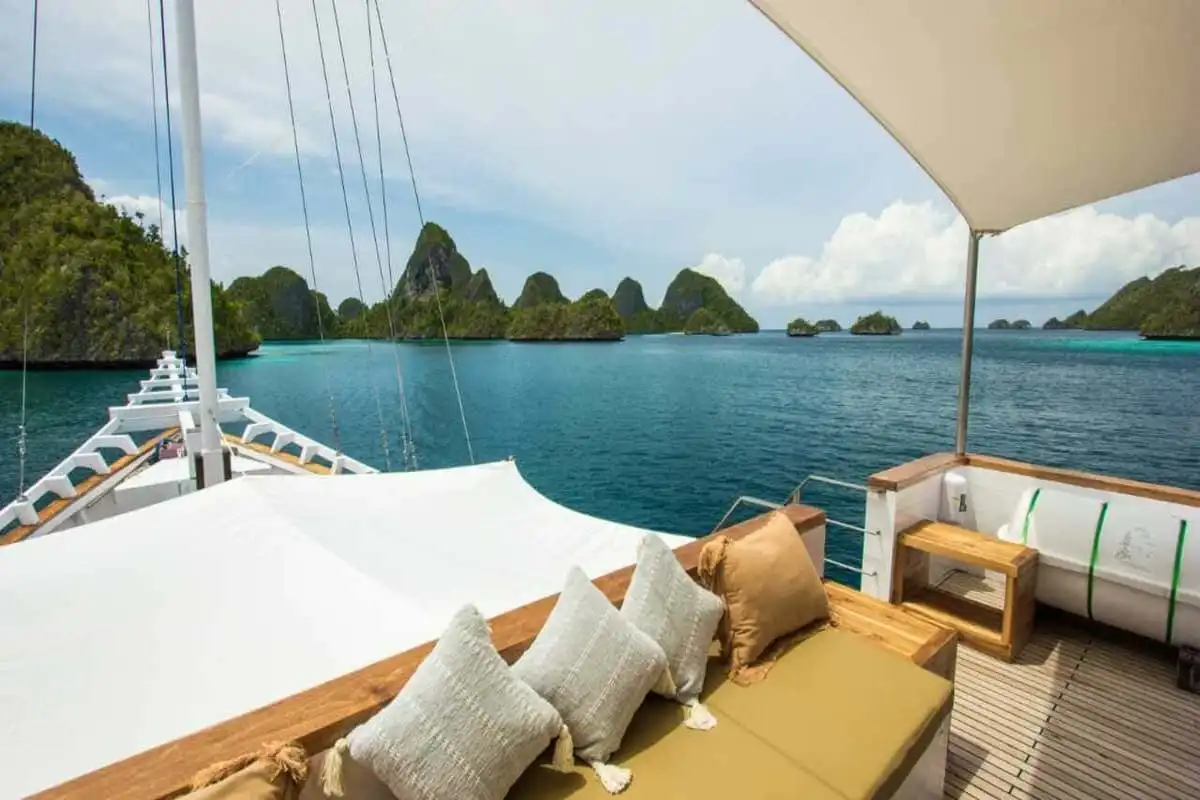
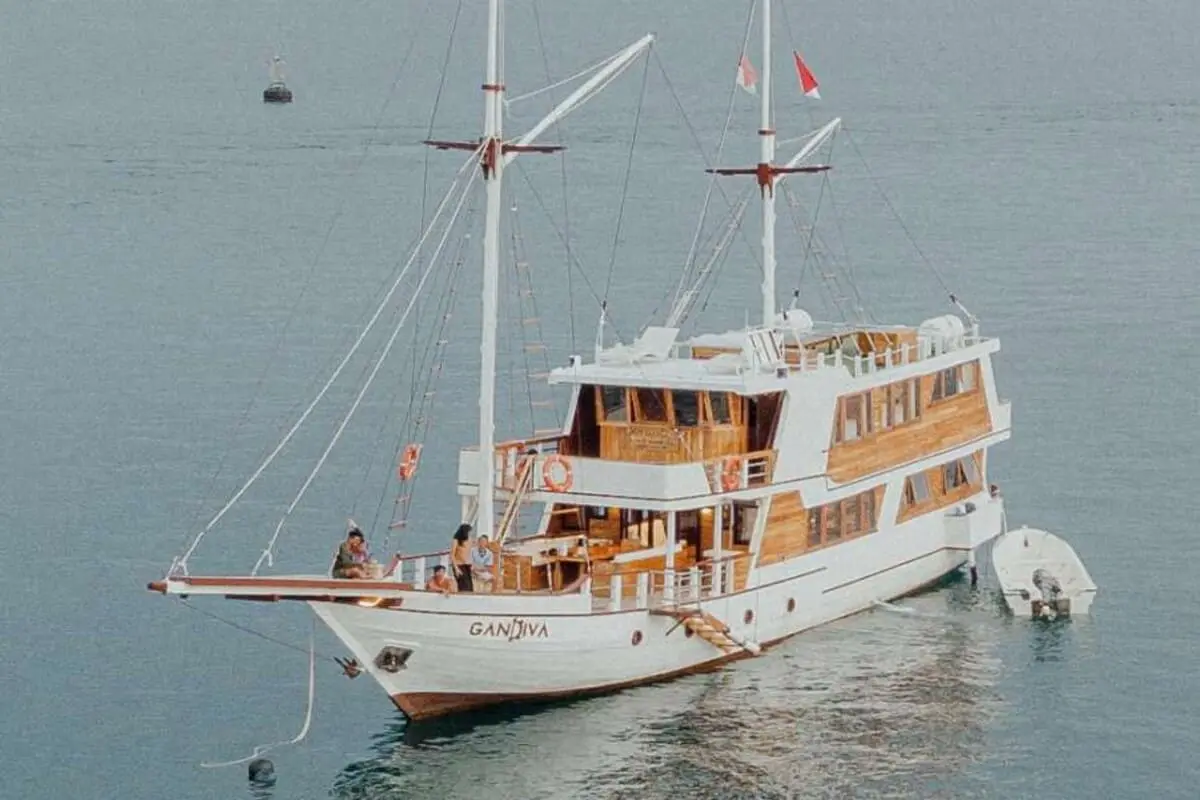
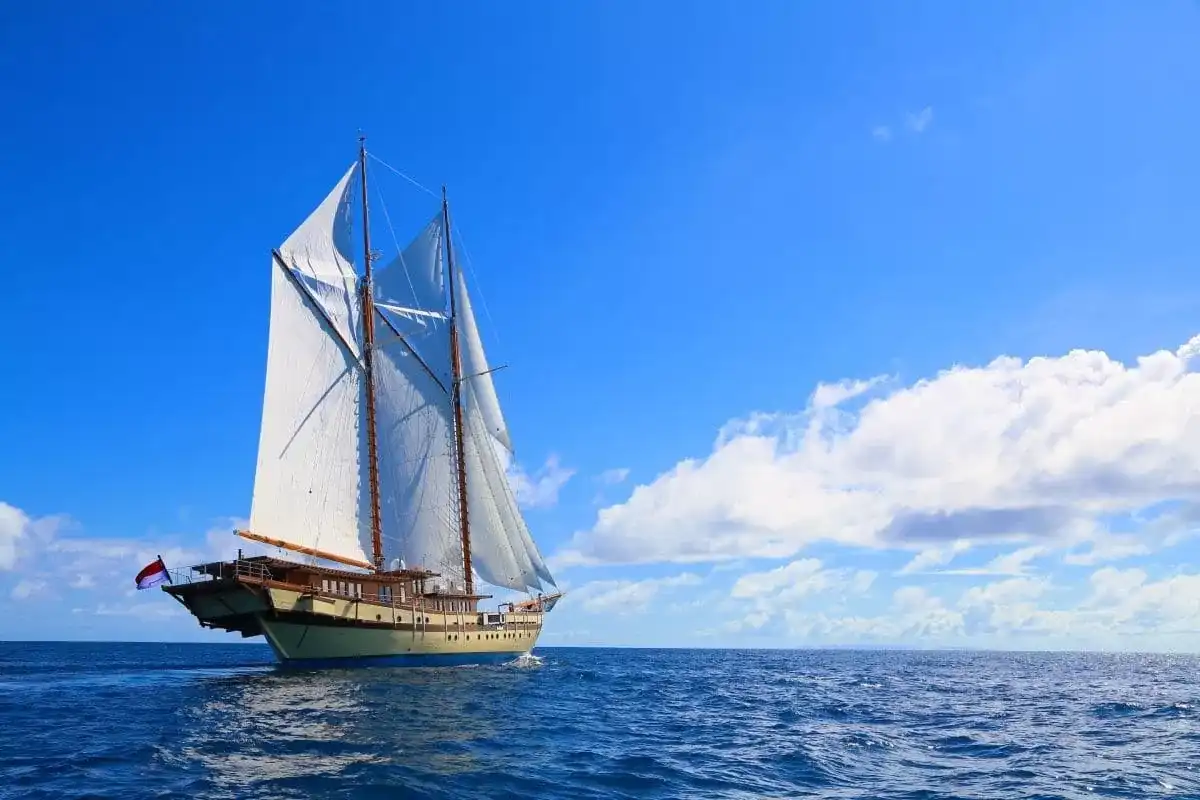
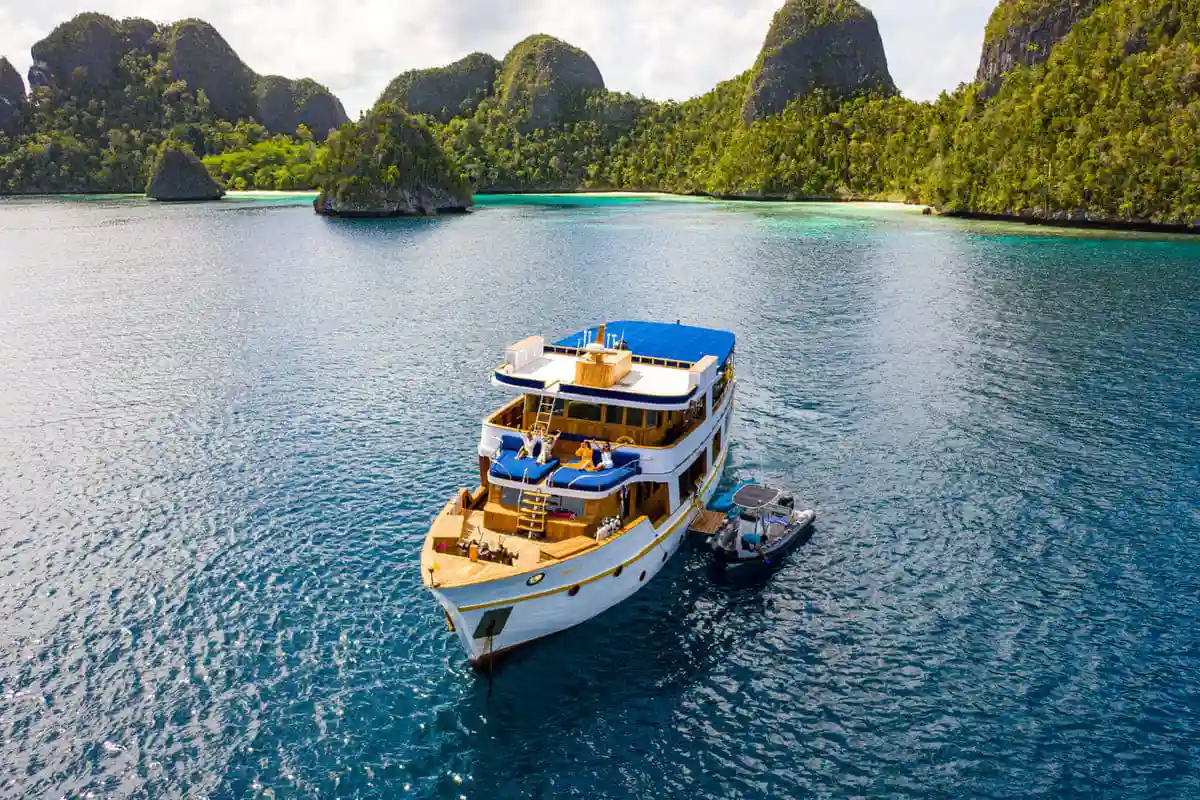
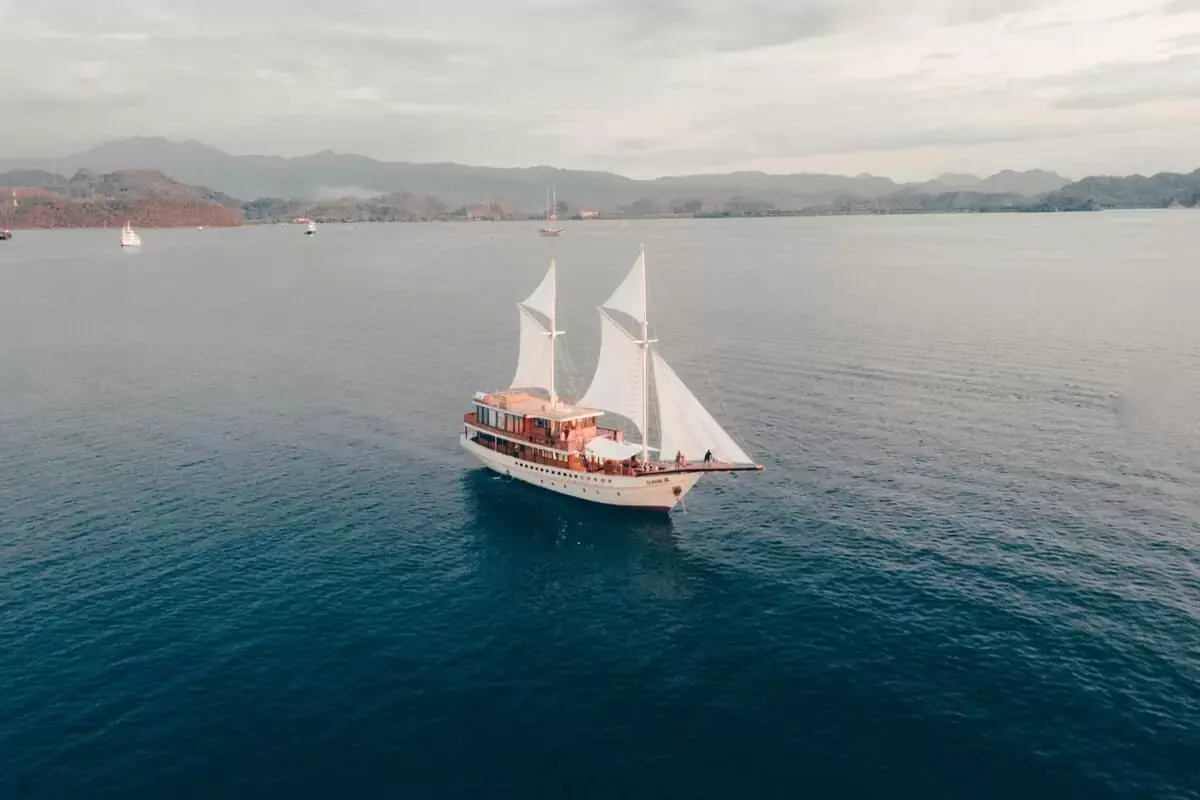
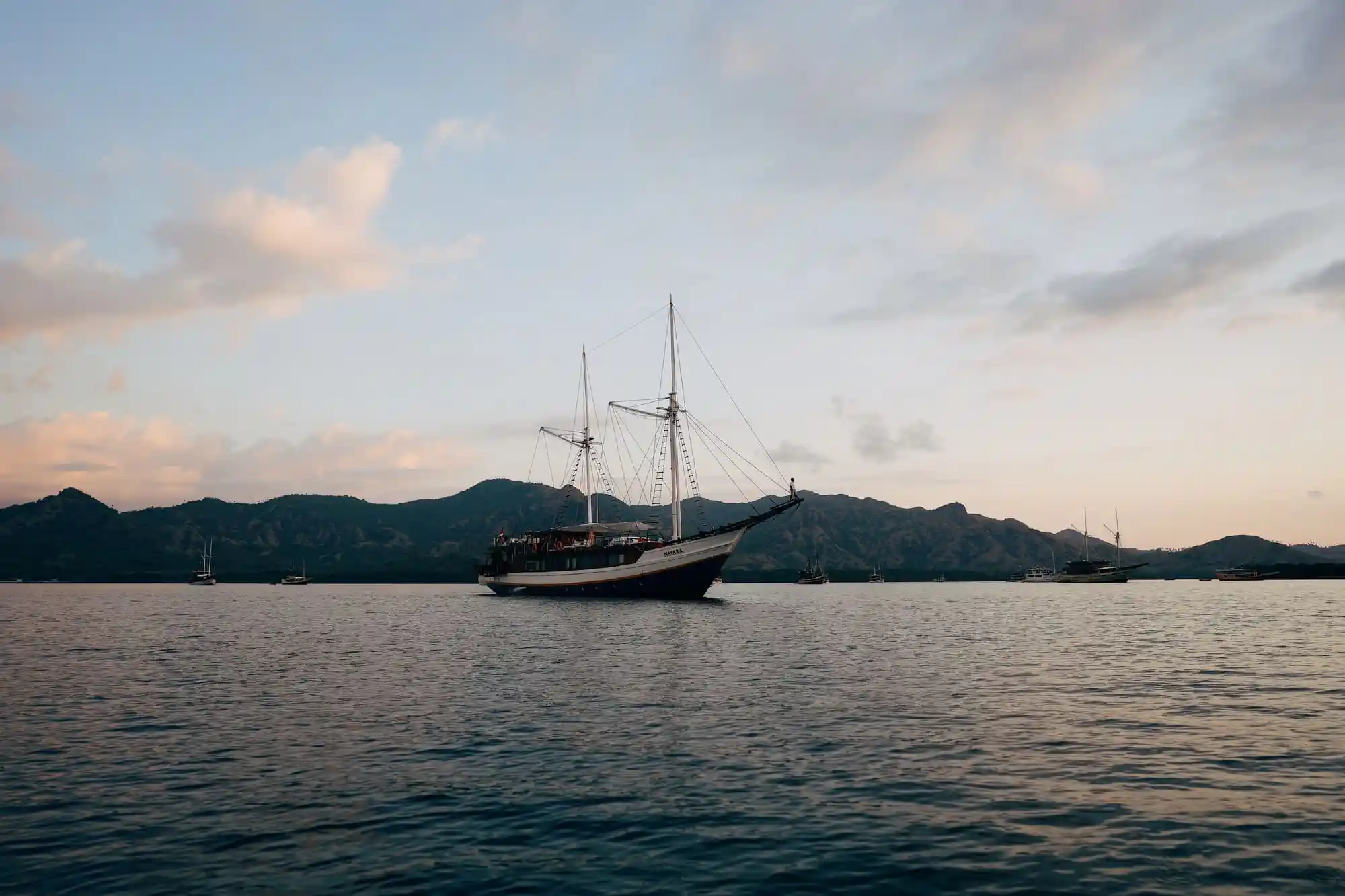
Photography from our own Komodo Luxury fleet and charters across the archipelago.
Related reading
Best Komodo dive sites on a Bali liveaboard
Best time to book a Bali Komodo liveaboard in 2026
Customize Your Liveaboard Bali Charters
Press & Recognition — Liveaboard Bali Charters in the Media
We’ll ladder the routes — quote within office hours
Fastest is WhatsApp — a real charter desk, not a bot. Or send the short form and we reply by email with windows, vessels and an itemised fare plank for your month.