

Best Time for Liveaboard Bali: Season Guide April-November
The best time for a Bali liveaboard depends on where the boat is sailing, not on Bali's own weather.
The best time for a Bali liveaboard depends on where the boat is sailing, not on Bali’s own weather. Komodo — the destination most Bali departures actually serve — is at its best from April to November. Raja Ampat runs on the opposite calendar, October to April. The Banda Sea opens twice: September to November and March to April.
One point of honesty before the calendar: liveaboards do not board at a Bali port. The standard routing — ours included — is a direct flight from Bali (DPS) to Komodo Airport, Labuan Bajo (LBJ), about 1 hour 15 minutes, with one-way fares typically USD 40–80 and multiple airlines flying daily. You board your phinisi in Labuan Bajo the same morning. Liveaboard Bali is the Bali charter desk of Komodo Luxury, and we ticket the flight together with the sailing so the two dates can never drift apart. Full routing details are on our flights from Bali to Labuan Bajo and Sorong page.
The Indonesian liveaboard calendar at a glance
The practical takeaway: there is no month of the year when the whole of Indonesia is closed. When Komodo winds down in December, Raja Ampat is opening. Choose the region to match your month, or the month to match your region — either works, as long as you do one of them deliberately.

Komodo month by month
April. The transition month. The rains have largely finished, the islands are still green from the wet season — a very different landscape from the golden hills of August — and boats are back on full schedules. Visibility can still be variable early in the month as the water clears, but crowds are thin and conditions improve week by week.
May and June. The season settles in. Seas calm, skies dry, visibility strengthens across the central and northern park. This is an excellent value window: full dry-season conditions before the July–August demand peak, with more cabin choice on popular boats.
July and August. Peak season in every sense. The driest, most reliable weather of the year, the classic clear water at the current-swept central sites, and manta activity at the cleaning stations — and the highest demand. The trade winds are at their strongest, which mainly means captains choose anchorages with more care; it rarely disrupts diving days. If you want specific dates on a specific boat in these months, book well ahead.
September. Many repeat guests’ favourite month. The wind begins to ease, the weather is still dry, and the summer-holiday crowds have gone home. Conditions are essentially peak-season without peak-season pressure on cabins.
October and November. The inter-monsoon lull. Winds drop away and the sea surface can be remarkably still — a period photographers and less sea-hardy guests both appreciate. By late November the first rains reach the region and the season tapers. This is also when longer expedition itineraries transition east toward the Banda Sea and Raja Ampat.
December to March. Komodo does not shut. Boats still sail, and the northern and central sites remain workable on many days. But this is the honest trade-off period: rain is more frequent, seas can be lumpy — January and February especially — and itineraries flex around the weather more than in the dry months. If these are your only available dates, a Komodo trip can still be very good; we simply will not pretend it is equivalent to July. For many travellers a better answer in these months is Raja Ampat, which is then at its finest.
What “wet season” actually means
Wet season in this part of Indonesia is not three months of continuous rain. It typically means short, heavy showers — often in the afternoon or overnight — between long dry spells, higher humidity, and a livelier sea state when the northwest monsoon pushes through. The real costs to a diver are practical ones: reduced visibility after heavy run-off, occasional site substitutions when a swell makes an exposed pinnacle unworkable, and a slightly higher chance of a rough crossing. The benefits are real too: green islands, dramatic skies, lower demand, and easier availability. It is a legitimate time to travel with the right expectations; it is not the time to plan a trip around one must-dive exposed site.

Raja Ampat: October to April
Raja Ampat runs on the opposite monsoon to Komodo, which is why the Indonesian liveaboard fleet migrates east each October. Access is different too: you fly to Sorong (SOQ) — about four hours direct from Jakarta, with daily flights, or roughly five hours from Bali with a stop. There are no direct international flights to Sorong. Boarding is in Sorong itself or in Waisai. If your travel window falls between December and March, this is the region we will usually recommend first. See our Raja Ampat liveaboard page for itineraries and boats.
Banda Sea, Alor, Cenderawasih and Wakatobi
Banda Sea (September–November and March–April). The open Banda Sea is only comfortably crossed in the two inter-monsoon windows, which is exactly why those months are when the hammerhead-season crossings run. These are longer, more committed itineraries — plan them around the window, not the other way round.
Alor (August–November). The strait fishes best late in the dry season, when seas in the region have settled. It suits divers who have already done Komodo and want somewhere quieter.
Cenderawasih Bay (June–October). The bay’s geography gives it its own calm mid-year window, out of step with the rest of Papua.
Wakatobi (March–December). The most forgiving calendar in the country — a ten-month season with only the January–February monsoon peak genuinely worth avoiding.

When to book
The median booking lead time across our guests is 74 days — roughly two and a half months ahead. That is a workable rule of thumb for shoulder months. For July, August, Christmas and New Year departures, or for a specific cabin category on a specific boat, book earlier; those dates fill first every year. Last-minute travel is not hopeless — shared Komodo departures run frequently in season — but choice narrows fast inside a month.
Season also shapes which format to choose. In the April–November window, shared Komodo departures run frequently, so solo travellers and couples can usually find a berth at short notice outside the peak. In the quieter months, private charters come into their own: with fewer boats competing for anchorages, a captain can flex the route day by day around the weather in a way a fixed shared schedule cannot. Budget one thing regardless of month: the Komodo National Park ticket, estimated at USD 40 per international guest, applies year-round.
Two planning resources worth reading next: our Bali to Komodo liveaboard guide covers the door-to-door routing from your Bali hotel, and liveaboard Indonesia prices sets out what shared cabins, private charters and each boat class actually cost, with no invented numbers. For orientation: shared Komodo voyages start from USD 300 per person, and entry-luxury private charters from USD 5,300 per yacht per night.
If you would rather talk it through, our reservation desk answers on WhatsApp at +62 811-3823-875 or by email at sales@komodoluxury.com. Tell us your dates and we will tell you, honestly, which region they suit best.
| Region | Prime window | What defines the season |
|---|---|---|
| Komodo National Park | April – November | Dry southeast trade winds, calm seas, reliable visibility |
| Raja Ampat | October – April | Opposite monsoon pattern; calmest surface conditions in its own summer |
| Banda Sea | September – November and March – April | Two short inter-monsoon windows; the only comfortable crossings |
| Alor | August – November | Late dry season; settled seas in the strait |
| Cenderawasih Bay | June – October | Sheltered bay with its own localised calm window |
| Wakatobi | March – December | Long season; only the January–February peak of the northwest monsoon is best avoided |
Best Time for Liveaboard Bali: Season Guide April-November




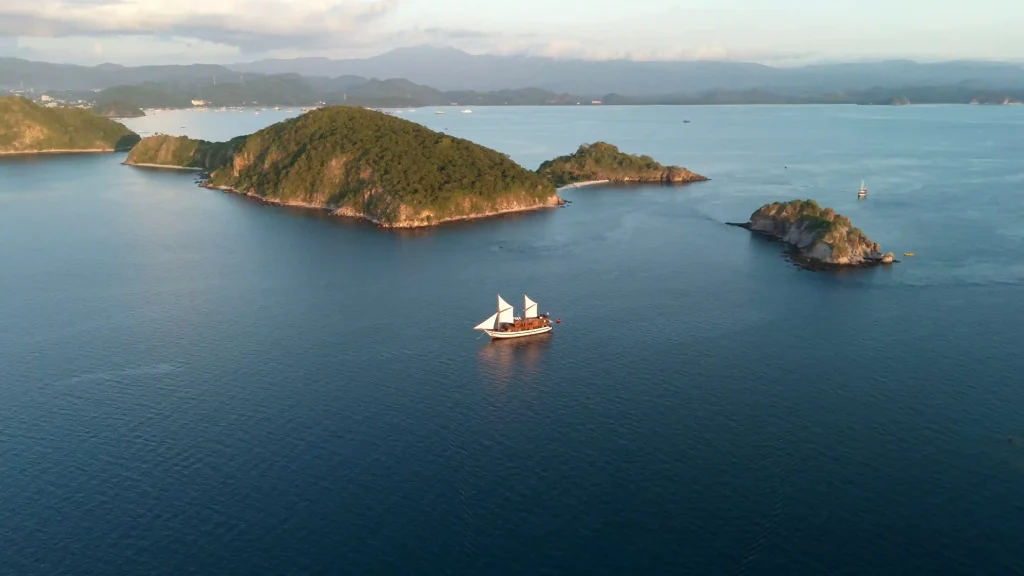
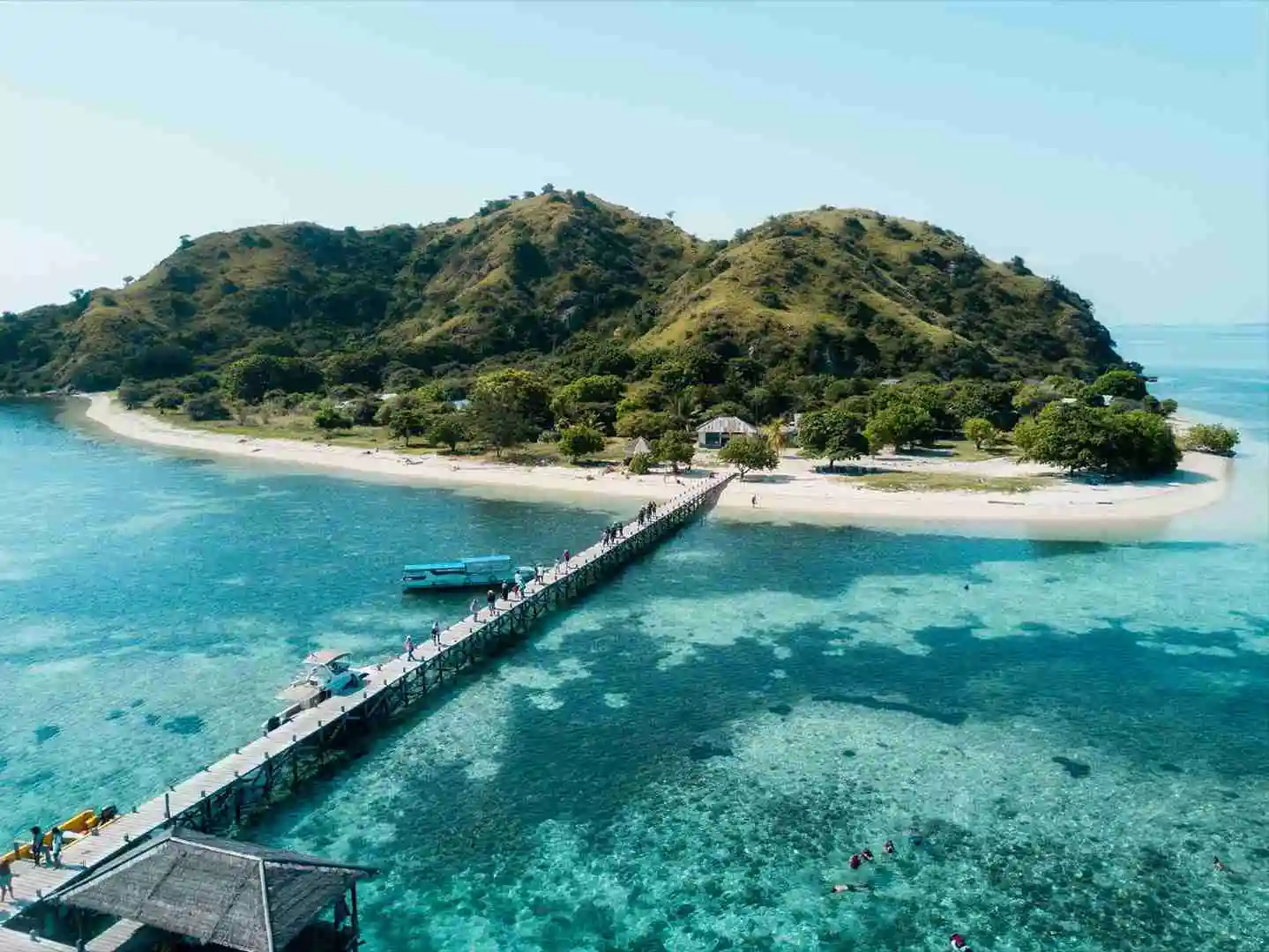
Photography from our own Komodo Luxury fleet and charters across the archipelago.
Related reading
What to pack for a Bali Komodo liveaboard
10‑day Raja Ampat and Bali liveaboard combo itinerary
How Much Does a Private Liveaboard Charter from Bali Cost?
3-Day Liveaboard Bali Charters Itinerary
We’ll ladder the routes — quote within office hours
Fastest is WhatsApp — a real charter desk, not a bot. Or send the short form and we reply by email with windows, vessels and an itemised fare plank for your month.