The Ultimate Bali to Komodo Liveaboard Route Guide for Divers
- It crosses the significant Wallace Line, showcasing a dramatic shift in flora and fauna.
- The route includes exclusive stops at remote islands like Moyo and Satonda.
*It provides unique opportunities to swim with whale sharks in Saleh Bay before reaching Komodo.
The first light of dawn spills across the Lombok Strait, painting the volcanic cone of Mount Agung in hues of apricot and rose. Aboard the deck of a traditional Phinisi schooner, the air is thick with the scent of salt and freshly brewed Sumatran coffee. The gentle thrum of the engine is a quiet promise, the only sound accompanying the creak of the ironwood hull as we cast off from Bali’s shores. This is not merely the start of a trip; it is the beginning of a sea-borne narrative, a deliberate, unhurried passage east into the heart of the Indonesian archipelago. The destination is the mythical realm of Komodo, but the journey itself—the bali to komodo liveaboard route—is the true prize.
Charting the Course: A Journey Across the Wallace Line
To understand the profound appeal of a Bali to Komodo voyage, one must first appreciate its geographical and biological significance. This is not a simple island-hop; it is a 250-nautical-mile odyssey across one of the planet’s most important biogeographical boundaries: the Wallace Line. First proposed by naturalist Alfred Russel Wallace in 1859, this invisible demarcation separates the ecozones of Asia and Wallacea (a transitional zone between Asia and Australia). As your vessel sails eastward from Lombok, you are a direct witness to this transition. The lush, volcanic landscapes of the west gradually give way to the drier, more rugged savannahs characteristic of the Komodo region. This ecological shift is mirrored below the waves, creating a staggering diversity of marine habitats that simply cannot be experienced by flying directly into Komodo’s gateway town of Labuan Bajo.
A typical expedition lasts between 8 and 11 nights, a timeframe that allows for a graceful progression through the Lesser Sunda Islands. Our captain, a seasoned mariner with two decades of experience navigating these waters, emphasizes the importance of this pacing. “Flying to Labuan Bajo is efficient, but you miss the story,” he explains over a nautical chart. “You miss the whale sharks of Saleh Bay, the saltwater lake of Satonda, the way the very air changes. The sea tells a different story every 50 miles.” This extended route transforms a dive holiday into a genuine expedition, connecting you to the rhythm of the ocean and the archipelago’s ancient, volcanic pulse. It’s an immersion that a short, park-focused trip can never replicate.
The Eastern Voyage: Key Archipelagic Stops En Route to Komodo
The true luxury of the bali to komodo liveaboard route lies in its exclusive access to a string of rarely visited islands, each offering a distinct chapter in the voyage. After departing Bali, the first significant landfall is often North Lombok or the Gili Islands, providing a perfect location for a check-out dive and equipment familiarization. From there, the real exploration begins. The next major stop is often Moyo Island, a pristine nature reserve just north of Sumbawa. Here, a short trek through the jungle leads to the cascading limestone pools of the Mata Jitu waterfall, a place of serene beauty once visited by Princess Diana. The diving around Moyo is a macro photographer’s delight, with sloping reefs hiding ghost pipefish, frogfish, and a menagerie of rare crustaceans in the 28°C water.
Further east lies Satonda Island, a small, uninhabited volcanic caldera. Its most remarkable feature is a vast, hypersaline crater lake, believed to have been formed by the colossal 1815 eruption of Mount Tambora, one of the most powerful in recorded history. The diving here is characterized by dramatic walls and vibrant coral gardens. But the most anticipated leg of this intermediate journey is Saleh Bay. This massive, protected bay on the north coast of Sumbawa has become a globally recognized hotspot for whale shark encounters. Local fishing platforms, known as bagans, attract these gentle giants, which feed on the small fish that gather in the nets. The interaction is managed responsibly, offering an almost guaranteed opportunity to snorkel or dive alongside the world’s largest fish in a natural setting—a pinnacle experience that sets this itinerary apart from all others.
Arrival in the Dragon’s Lair: Komodo National Park’s Premier Dive Sites
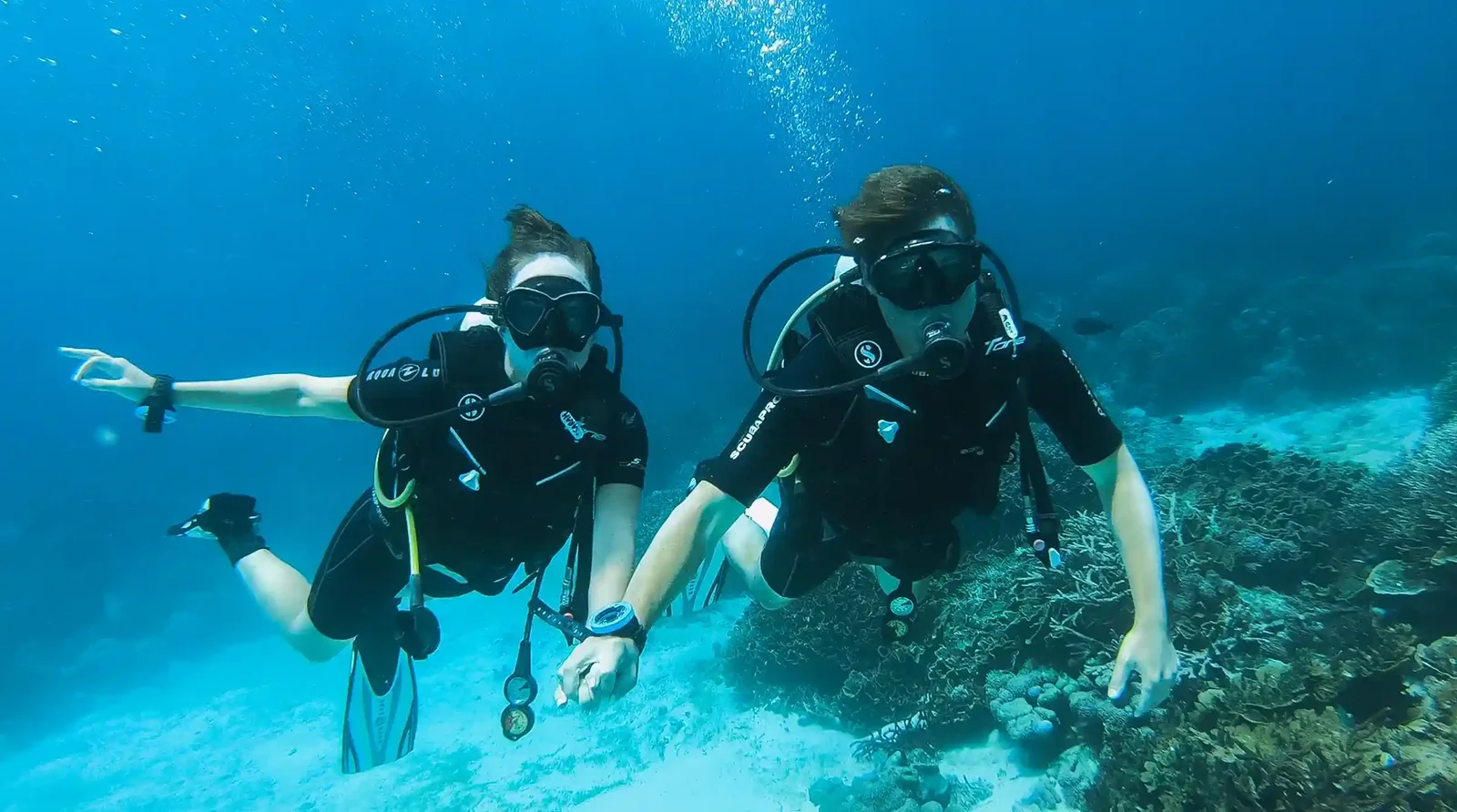
Entering the protected waters of Komodo National Park, a designated UNESCO World Heritage site since 1991, the energy shifts. The currents here are the lifeblood of the ecosystem, powerful channels of water flowing between the Indian and Pacific Oceans that create a nutrient-rich soup for marine life. The park, which encompasses 1,733 square kilometers of marine and terrestrial environments, is best understood by its three distinct regions. Northern Komodo is the domain of adrenaline. Sites like Castle Rock, Crystal Rock, and The Cauldron are legendary for their high-velocity drift dives. Here, divers hook into the reef and watch a staggering pelagic show unfold: grey reef sharks, whitetip sharks, giant trevallies, and massive schools of fusiliers. The water is typically warmer, around 28°C, and visibility can exceed 30 meters.
The Central region is the vibrant heart of Komodo, offering a perfect balance of macro and wide-angle subjects. Batu Bolong, a pinnacle rising from the deep, is so densely covered in hard and soft corals that not a single inch of rock is visible. It is a world-class example of marine biodiversity, often cited as one of the top 10 dive sites on the planet. Nearby, sites like Tatawa Besar offer gentle drifts over endless coral gardens frequented by turtles and manta rays. The Southern region, influenced by cold upwellings from the Indian Ocean, presents a different character. Water temperatures can drop to a bracing 22-24°C, but this chill fuels an explosion of life. Manta Alley is the park’s most reliable cleaning station for oceanic manta rays, while sites like Cannibal Rock are revered for their bizarre macro critters, from Coleman shrimp on fire urchins to ladybug amphipods.
Beyond the Dive: The Terrestrial Wonders of the Komodo Archipelago
While the underwater world is the primary draw, a journey with Liveaboard Bali Charters is incomplete without embracing the equally dramatic terrestrial landscapes. The signature land excursion is, of course, the encounter with the Komodo dragon (Varanus komodoensis). A guided trek with a park ranger on Rinca or Komodo Island offers a safe and intimate opportunity to observe these primeval predators, the largest lizards on Earth, in their natural habitat. Seeing a 3-meter-long male patrol its territory is a humbling, unforgettable experience that connects you to a prehistoric world. These formidable creatures, weighing up to 90 kilograms, are the apex predators of this ecosystem, a fact you appreciate fully when standing just a few meters away.
For many, the visual zenith of the trip is the sunrise or sunset trek to the summit of Padar Island. The 30-minute climb is steep but rewards with one of Indonesia’s most iconic vistas: a panoramic view of three distinct bays, each with a different colored shoreline—one white, one black, and one a delicate shade of pink. The view is a cartographer’s dream and a photographer’s masterpiece. And then there is the famous Pink Beach, or Pantai Merah, itself. Its distinctive color comes from the crushed red organ pipe coral and microscopic organisms called Foraminifera that mix with the white sand. Spending an afternoon here, snorkeling in the placid, turquoise water or simply relaxing on the rosy shore, is the perfect counterpoint to the high-energy drift dives and serves as a reminder of the archipelago’s diverse and delicate beauty, a core tenet of the official Indonesian tourism identity.
Selecting Your Vessel: The Phinisi Schooner Experience
The vessel you choose is as critical to the experience as the destination itself. The quintessential way to traverse this route is aboard a Phinisi, a traditional Indonesian two-masted sailing ship. These magnificent vessels, handcrafted by the Konjo boat builders of South Sulawesi using centuries-old techniques, have been reimagined as floating boutique hotels. Our fleet of liveaboard bali Phinisis marries this rich maritime heritage with every conceivable modern luxury. Forget cramped quarters and basic fare; our charters feature spacious, air-conditioned staterooms with en-suite bathrooms, fine linens, and panoramic windows. The on-board experience is curated to the highest standard, with a private chef preparing a sophisticated fusion of Indonesian and Western cuisine, often incorporating the day’s fresh catch.
The difference lies in the details and the service. With a crew-to-guest ratio that often approaches 1:1, every need is anticipated. The dive operations are seamless, with expert guides, top-of-the-line equipment, and dedicated tenders to ensure you are dropped at the precise entry point for each dive. The expansive decks offer multiple spaces for relaxation, from shaded daybeds for post-dive naps to elegant open-air dining areas for enjoying a glass of wine under a canopy of stars. This is not just a dive boat; it is a private yacht experience, offering an unparalleled level of comfort, privacy, and freedom to explore one of the world’s last great marine frontiers. For those seeking the ultimate Indonesian adventure, a customized private charter is the only way to travel.
A Quick FAQ for Your Bali to Komodo Liveaboard Route
What is the best time of year for the Bali to Komodo liveaboard route?
The prime season runs during the dry months, from April through November. This period offers the calmest seas for the long crossing and generally excellent underwater visibility. The absolute peak season, with the best overall conditions, is typically from June to September, though this also coincides with higher demand.
What level of dive certification is required?
Due to the powerful and sometimes unpredictable currents within Komodo National Park, an Advanced Open Water certification is strongly recommended. We advise divers to have a minimum of 50 logged dives to feel comfortable and safely enjoy the more challenging sites. Less experienced divers can certainly enjoy the trip, but some sites may be off-limits depending on conditions.
What is the main advantage of the one-way route versus a round-trip from Labuan Bajo?
The one-way bali to komodo liveaboard route is a comprehensive expedition across the archipelago. It includes unique, world-class experiences like swimming with whale sharks in Saleh Bay and visiting remote islands like Moyo, which are completely inaccessible on a standard Komodo-only trip. The latter simply focuses on the dive sites within the park itself, missing the epic journey and ecological transition that makes the full passage so special.
Is seasickness a concern on the open-water crossings?
The crossing of the Lombok and Alas Straits can sometimes be choppy. Our large, stable Phinisi schooners, weighing over 200 tons, handle these conditions exceptionally well. However, we always recommend guests who are prone to motion sickness bring their preferred remedies. The majority of the voyage takes place in the calmer, more protected waters between the islands.
The passage from the Island of the Gods to the Land of the Dragons is one of the last great sea journeys available to the modern explorer. It is a narrative of shifting landscapes, incredible biodiversity, and cultural depth, told at the pace of the wind and tides. This is not a vacation to be ticked off a list, but an expedition to be savored. To begin scripting your own epic Indonesian voyage, explore our fleet of Phinisi schooners and let our charter specialists design your bespoke liveaboard bali experience.