
Best Time for Liveaboard Bali Charters
Best Time for Liveaboard Bali Charters — practical 2027 guidance for liveaboard bali.
The best time for liveaboard Bali charters largely aligns with the dry season, spanning from May to September, offering optimal weather, calm seas, and exceptional underwater visibility for diving and snorkeling. Shoulder months like April and October present a compelling balance of favorable conditions and fewer crowds. Understanding these seasonal nuances ensures an unparalleled luxury dive or discovery cruise experience through Indonesia’s vibrant archipelago.
A gentle swell lifts the bow, sun-drenched teak gleaming under an impossibly blue sky. Below, the turquoise water shimmers, hinting at the vibrant world beneath. You are on a luxury liveaboard Bali charter, slipping silently past volcanic peaks and emerald islands, the scent of salt and distant frangipani on the breeze. The crew anticipates your every need, a freshly brewed coffee appears, and the day unfolds with the promise of untouched reefs and ancient cultures. But when, precisely, does this dreamscape coalesce into its most perfect form? Choosing the right time for your Indonesian odyssey transforms a memorable trip into an indelible one. From the whisper of the monsoon to the blaze of the dry season, each period offers a distinct character, influencing everything from underwater visibility to the number of fellow adventurers you might encounter.
- Peak Season (May-September): Predictable sunshine, minimal rain, 25-30m visibility, ideal for Mola-Mola sightings.
- Shoulder Season (April & October): Excellent value, fewer tourists, still-great weather and marine conditions.
- Wet Season (November-March): Quieter atmosphere, lush landscapes, prime for manta ray encounters, but expect rain.
The Dry Season: May to September (Peak Perfection)
For many discerning travelers, the dry season represents the zenith of the liveaboard Bali experience. From May through September, the weather is consistently glorious: long days filled with brilliant sunshine, minimal rainfall, and comfortable temperatures hovering around 28-32°C (82-90°F). Humidity drops noticeably, making onshore excursions and evenings on deck exquisitely pleasant. This period is the gold standard for visibility underwater, often extending beyond 25-30 meters (80-100 feet), particularly around the Nusa Islands and Komodo National Park, a frequent destination for liveaboard Bali itineraries. Water temperatures remain a balmy 26-28°C (79-82°F), perfect for extended dives and snorkeling sessions. These months coincide with the peak season for Mola-Mola (oceanic sunfish) sightings around Nusa Penida, typically from July to October, drawing enthusiasts from across the globe. Booking well in advance—often 6 to 12 months—is essential during this high-demand window, as luxury charters fill quickly. Expect premium pricing, reflecting the optimal conditions and high demand. A seven-day luxury cruise can start from $5,000 per person during this time. The chances of encountering other dive boats are higher, especially at popular sites like Crystal Bay or Manta Point.
Unrivaled Marine Clarity and Comfort
The stable weather patterns of the dry season contribute directly to the calmest seas and best underwater visibility. Less rain means less runoff into the ocean, reducing sediment and maintaining the pristine clarity that divers covet. Currents around areas like Komodo can be robust, but experienced liveaboard captains navigate these with precision, ensuring dives are both exhilarating and safe. During July and August, the southeast trade winds are at their strongest, providing a refreshing breeze on deck, though they can occasionally create choppier surface conditions in exposed areas. Despite this, the consistent sunshine and exceptional marine conditions make it an unparalleled time to explore the diverse ecosystems, from vibrant coral gardens teeming with reef sharks and turtles to dramatic volcanic seascapes. Over 1,000 species of fish and hundreds of coral species thrive in these waters, making every dive an explosion of color and life. Our homepage offers a glimpse into the opulent vessels waiting to transport you.

Shoulder Season Sweet Spots: April and October (Value & Vistas)
Savvy travelers often pinpoint April and October as the ideal shoulder seasons for a liveaboard Bali adventure. These months offer a compelling blend of excellent weather, fewer crowds, and more attractive pricing compared to the peak dry season. In April, the tail end of the wet season transitions into the dry, meaning occasional short showers might occur, but they are typically brief and followed by sunshine. Temperatures are warm, averaging 29-33°C (84-91°F), and humidity begins to decrease. Underwater visibility remains very good, often exceeding 20-25 meters (65-80 feet), and water temperatures stay comfortably around 27-29°C (81-84°F). October, on the other hand, marks the transition from the dry season back towards the wet. While there’s a slight increase in the chance of rain towards the end of the month, the initial weeks often boast superb conditions, mirroring the dry season’s best. The water is often at its warmest, making for incredibly comfortable dives. A typical 10-day luxury Komodo itinerary might see a price reduction of 10-15% during these shoulder months, making it an excellent time for those seeking luxury without the absolute peak season cost. The number of boats at popular dive sites is noticeably lower, enhancing the sense of exclusivity and discovery. This is an opportune moment to explore the vibrant markets of Bali before embarking on your sea journey.
Balancing Serenity and Splendor
Choosing a shoulder month allows for a more tranquil experience both above and below the surface. You’ll find fewer tourists at land-based attractions if you choose to extend your trip in Bali, and the dive sites feel less congested. Marine life remains abundant and active. October, in particular, can still offer opportunities for Mola-Mola sightings around Nusa Penida, as their season often extends into early November. For those who prioritize a quieter escape while still enjoying near-perfect conditions, these months are unparalleled. The slightly higher chance of rain in April or late October is often a small trade-off for the added privacy and potential cost savings. A typical 7-night liveaboard Bali cruise might start from $4,200 per person in the shoulder season. The vibrant hues of the corals seem even more brilliant without the slight haze that sometimes accompanies the dry season’s dust. Consider these months if you wish to capture stunning photographs without contending with multiple other divers in your frame. For more details on specific routes, visit our destinations page.
The Wet Season: November to March (Quiet Charms & Unique Encounters)
While often overlooked by those seeking guaranteed sunshine, the wet season in Bali, from November to March, holds a distinct allure for the intrepid traveler. This period is characterized by higher rainfall and humidity, with daily temperatures averaging 26-31°C (79-88°F). Rain showers can be intense but are frequently short-lived, often occurring in the late afternoon or overnight, leaving mornings clear and bright. The landscape transforms into a vibrant, lush emerald, a stark contrast to the drier months. Underwater visibility can be more variable, sometimes dropping to 15-20 meters (50-65 feet) due to runoff, but in many areas, particularly further afield from Bali like Raja Ampat (which is in its prime during these months), visibility remains excellent. Water temperatures are consistently warm, averaging 28-30°C (82-86°F). This is the absolute low season for tourism, translating into significantly fewer crowds and the most competitive pricing for liveaboard Bali charters, with potential savings of 20-30% or more. A luxury 9-day charter could begin at $3,500 per person. It’s also a fantastic time for specific marine encounters, particularly with manta rays. Manta Point near Nusa Penida, for instance, often sees increased manta activity from November to April, coinciding with plankton blooms. This period also generally offers calmer surface conditions in areas sheltered from the stronger dry season winds.
Lush Landscapes and Manta Ray Magic
The wet season presents a unique opportunity to experience Bali and its surrounding islands in a more intimate, verdant state. The rice paddies are at their most brilliant green, and waterfalls flow with impressive power. For divers, the focus shifts slightly. While visibility might not consistently match the dry season’s extremes, the warmth and specific marine life encounters make it highly rewarding. This is often considered the prime time for pelagic sightings, as the increased nutrient runoff can attract larger marine animals. Besides manta rays, whale sharks are occasionally spotted, especially in areas further east. The tranquility on board and at dive sites is a significant draw; you might have an entire reef to yourself. For those less concerned with continuous sunshine and more interested in marine life specifics or simply escaping the crowds and securing a truly exceptional value, the wet season offers a compelling proposition. Our luxury fleet is equipped to handle all weather conditions, ensuring comfort year-round. Remember to pack a light rain jacket for land excursions, but expect most of your time to be spent in the water or enjoying the covered decks. For information on Indonesia’s diverse climate zones, you can refer to Wikipedia’s Climate of Indonesia page.
Navigating the Crowds and Costs
Understanding the interplay between seasonality, crowds, and pricing is key to optimizing your liveaboard Bali experience. As a general rule, peak season (May-September) means the highest demand, the largest number of tourists, and consequently, the highest prices. During these months, luxury liveaboard charters can be booked solid 12 months in advance, with rates for a 7-day trip potentially reaching $7,000+ per person for top-tier vessels. Hotels and resorts on land also experience maximum occupancy. The shoulder seasons of April and October offer a sweet spot: good weather, fewer people, and more flexible booking options, with prices typically 10-20% lower than peak. This makes them ideal for travelers seeking a balance of quality and value. The wet season (November-March) represents the lowest point in terms of tourist volume and pricing. Discounts of 20-30% or more are common, and last-minute bookings are more feasible. While the weather isn’t consistently sunny, the reduced crowds on dive sites and land excursions are a significant draw. For example, a Komodo National Park entrance fee, which is around IDR 250,000-375,000 (~$16-25 USD) per day for foreigners, remains constant regardless of the season, but the surrounding tourism infrastructure becomes less congested. Flexibility with your travel dates, even by a week or two, can unlock significant savings and a more exclusive feel. Consider booking your flights to Denpasar (DPS) well in advance, regardless of the season, as international airfare can fluctuate wildly.
Marine Life Calendar: When to See What
The allure of a liveaboard Bali charter often centers on specific marine encounters. While the waters around Bali and its eastern neighbors are perpetually teeming with life, certain periods offer enhanced chances for specific sightings.
Understanding these patterns allows you to tailor your liveaboard Bali itinerary to your specific marine life desires. For further insights into Indonesia’s incredible biodiversity, explore Indonesia.travel.
- Manta Rays: These majestic creatures are a year-round presence, but their activity peaks during the wet season, from November to April. Sites like Manta Point near Nusa Penida or the cleaning stations in Komodo become bustling hubs. Over 100 individuals have been recorded in a single day at prime locations.
- Mola-Mola (Oceanic Sunfish): The elusive Mola-Mola are most frequently spotted during the dry season, specifically from July to October, around the cooler upwellings of Nusa Penida. Their enormous, disc-like bodies are a truly spectacular sight, often weighing over 1,000 kilograms (2,200 pounds).
- Whale Sharks: While less predictable than mantas or Mola-Mola, whale shark sightings tend to increase during the wet season, particularly in the northern and eastern regions of Indonesia where nutrient-rich waters attract them.
- Reef Sharks, Turtles, and Macro Life: These vibrant inhabitants are present year-round. Blacktip and whitetip reef sharks patrol the reefs constantly. Green and Hawksbill turtles are common sightings on almost every dive. Macro enthusiasts will find a treasure trove of pygmy seahorses, nudibranchs, and various crustaceans regardless of the month.
Crafting Your Ideal Liveaboard Bali Experience
Ultimately, the “best” time for your liveaboard Bali charter is deeply personal, aligning with your priorities for weather, marine encounters, crowd levels, and budget. If pristine conditions, guaranteed sunshine, and the highest chance of Mola-Mola are paramount, book a dry season trip far in advance. If you seek a more exclusive journey, excellent value, and the possibility of extraordinary manta ray encounters, the shoulder or wet seasons offer compelling alternatives. Consider the duration of your trip; a 7-day cruise is standard, but 10-14 days allows for deeper exploration of remote areas. Our expert travel designers are on hand to guide you through these choices, ensuring every detail of your luxury Indonesian adventure is meticulously planned. From the moment you step aboard one of our elegant vessels, you enter a realm of unparalleled service and discovery. Will you choose the vibrant energy of peak season or the serene exclusivity of the quieter months? The choice is yours, and with each season offering its own unique splendors, there’s no wrong answer when it comes to exploring the wonders of the Indonesian archipelago on a private liveaboard. Begin planning your journey today and unlock the secrets of this extraordinary corner of the world. For personalized advice, contact us directly to discuss your bespoke liveaboard Bali itinerary.
Best Time for Liveaboard Bali Charters
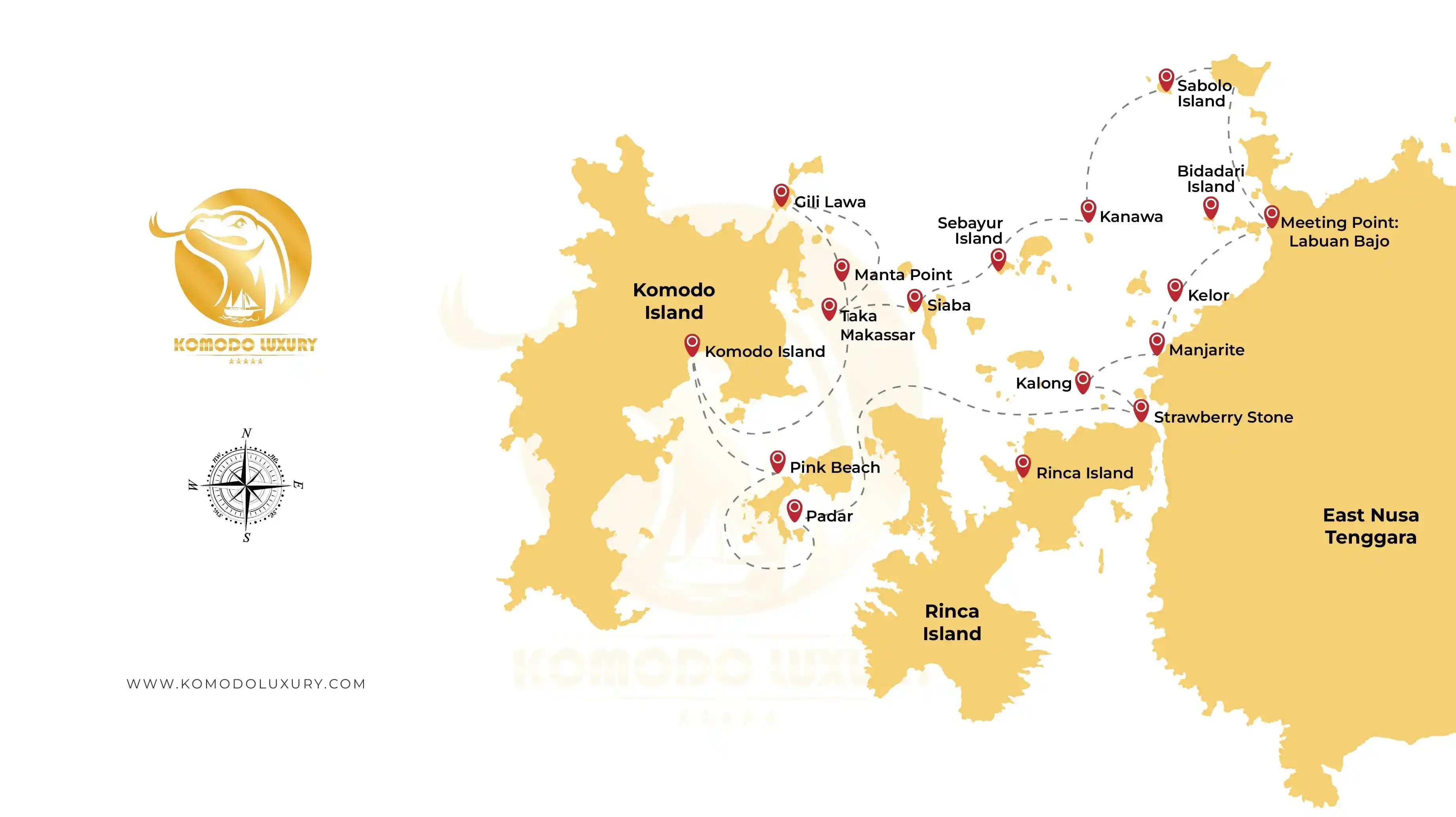

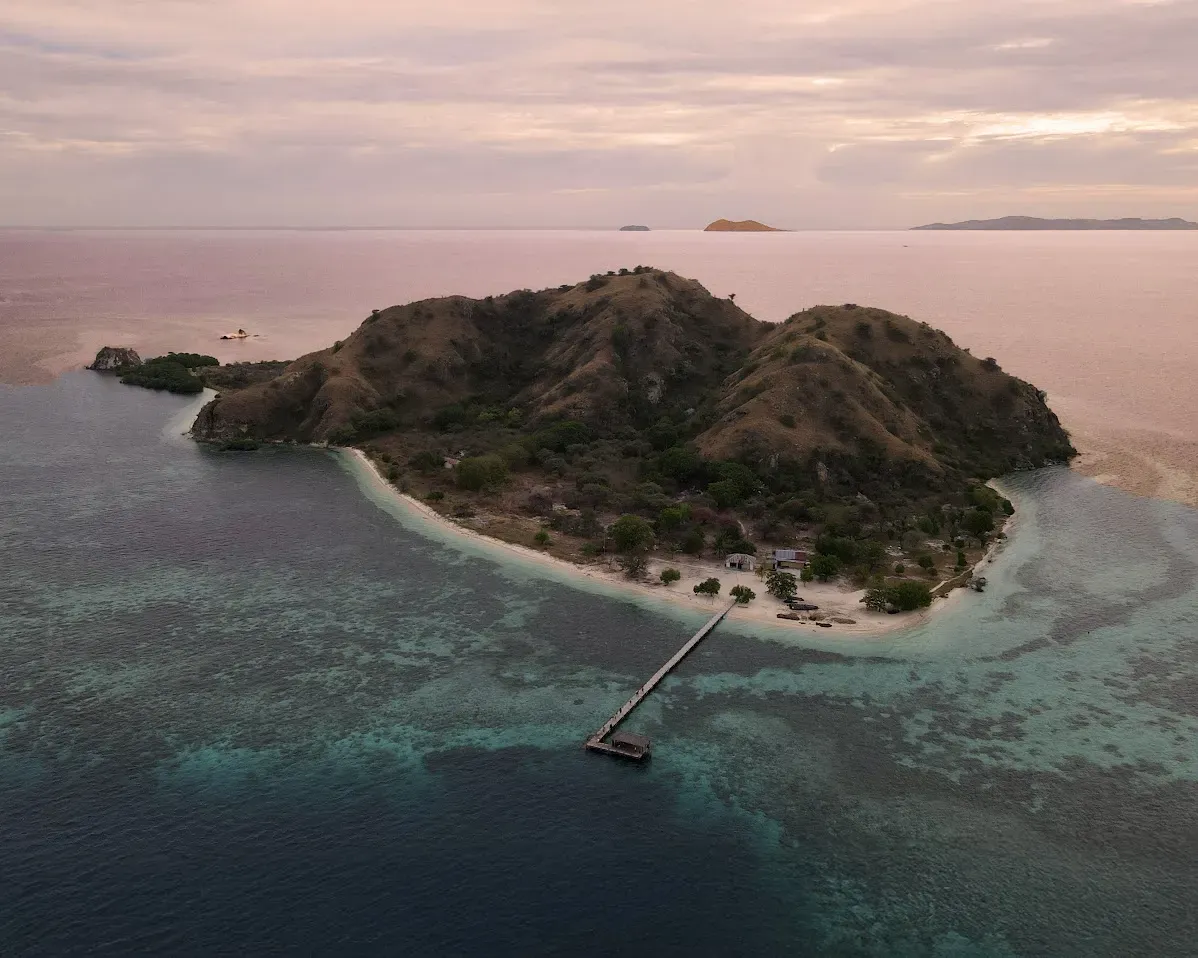
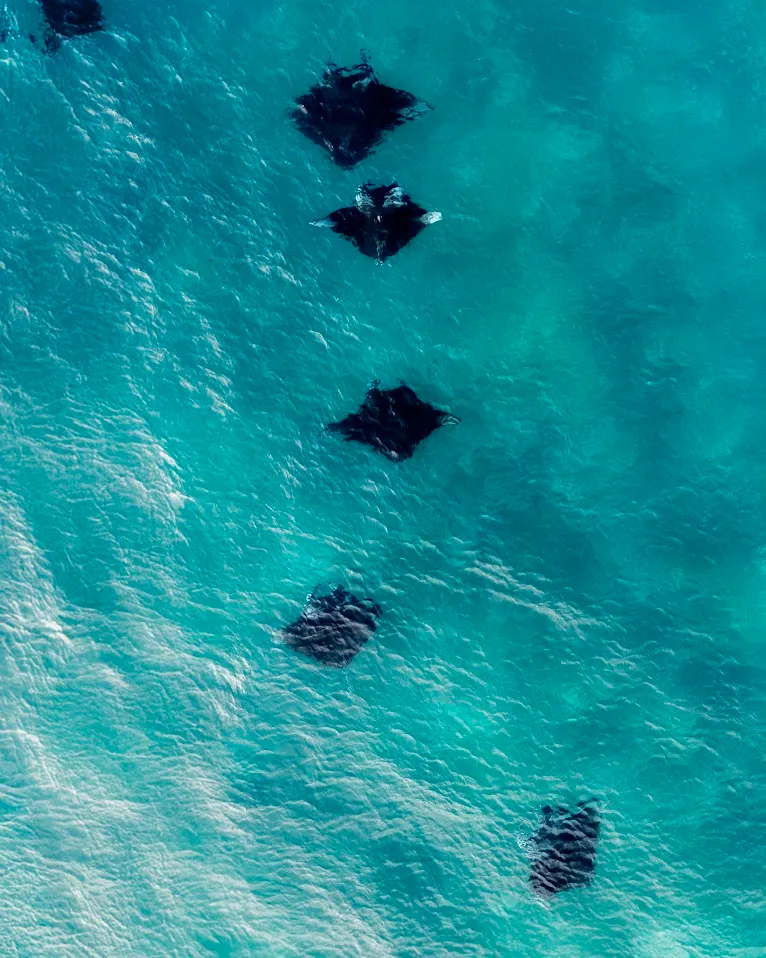
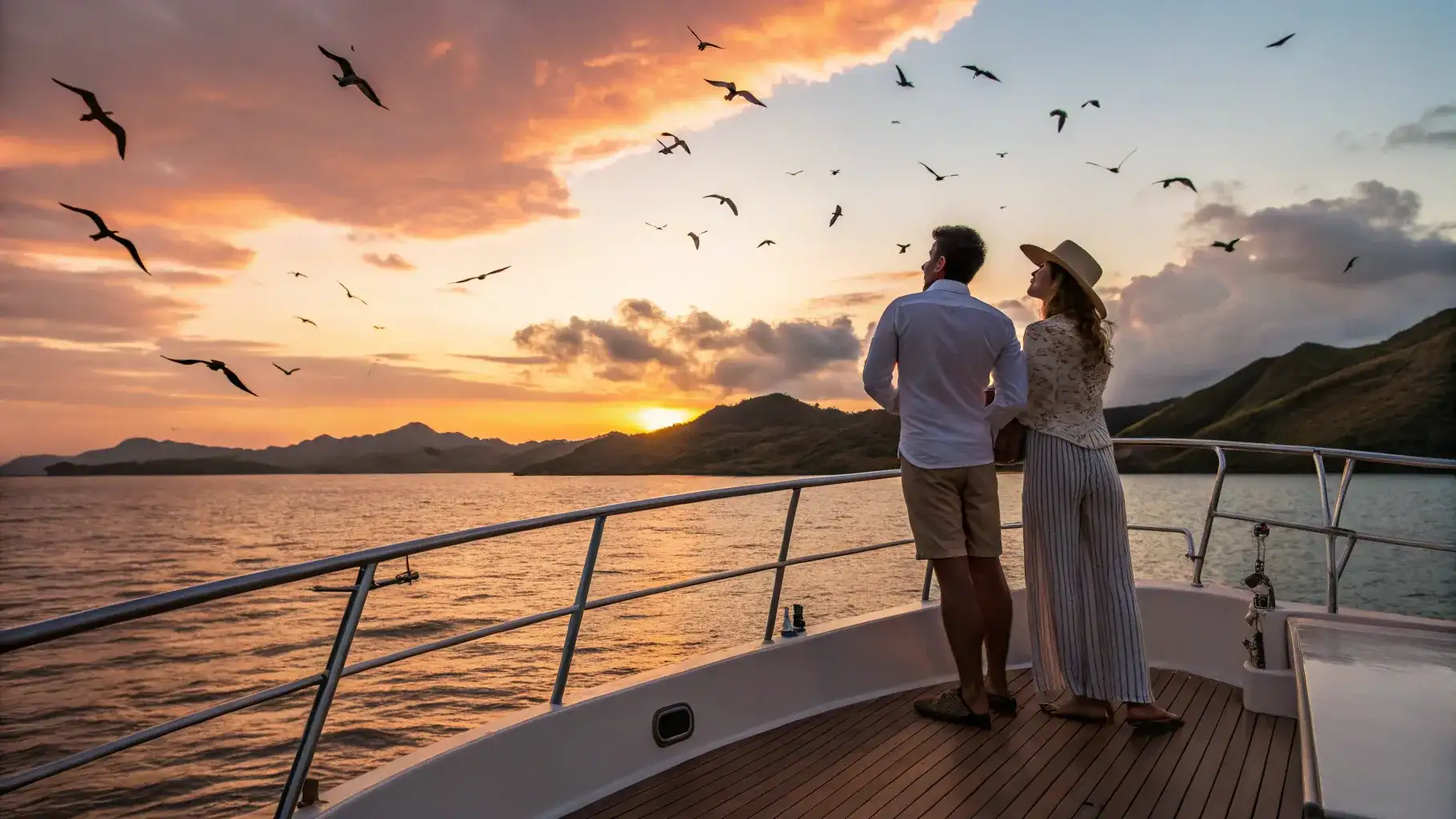
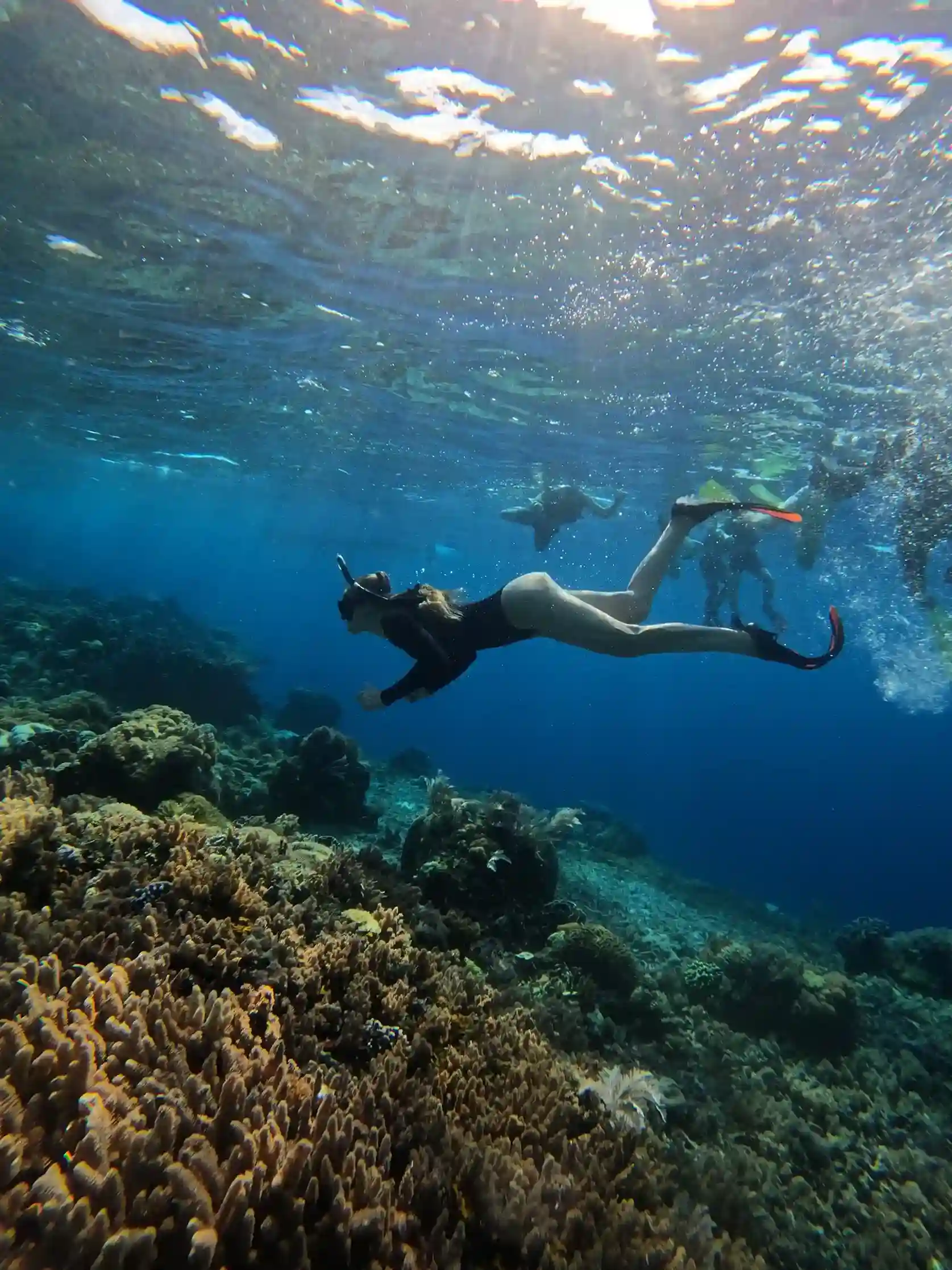
Photography from our own Komodo Luxury fleet and charters across the archipelago.
Related reading
Editorial Standards — How Liveaboard Bali Charters Researches & Verifies
Bali Luxury Transfers 2027: A Cost & Price Guide for Families and Groups
First‑time guide to diving Komodo from Bali
How to Choose the Best Bali Liveaboard Operator for You
We’ll ladder the routes — quote within office hours
Fastest is WhatsApp — a real charter desk, not a bot. Or send the short form and we reply by email with windows, vessels and an itemised fare plank for your month.