
Understanding Bali’s Marine Conservation Efforts
Bali’s marine conservation efforts focus on preserving its rich marine biodiversity through initiatives such as coral reef restoration, sustainable fishing practices, and community education programs. These efforts aim to protect the delicate marine ecosystems and ensure a sustainable future for Bali’s oceanic environment.
Marine Conservation Bali: An Overview
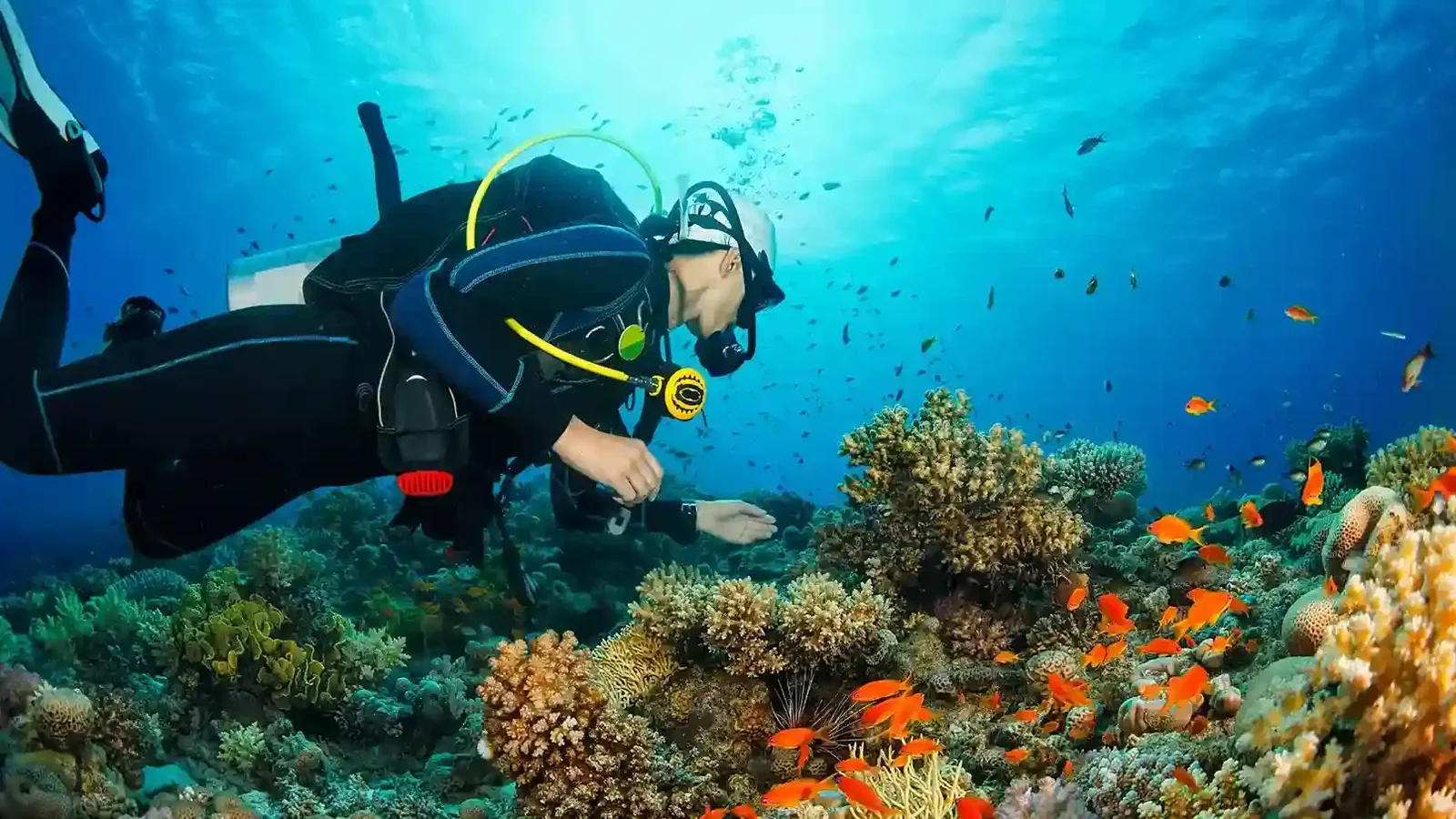
Marine conservation in Bali is a critical endeavour aimed at safeguarding the island’s extensive marine biodiversity. As a key tourist destination attracting over six million visitors annually, Bali faces significant challenges from human activities and climate change, making effective ocean protection measures vital for the preservation of its unique underwater ecosystems. The island’s coastal waters are home to over 500 species of coral and more than 2,000 species of fish, highlighting the importance of these conservation efforts.
How is Bali contributing to marine conservation?
Bali contributes to marine conservation through various approaches. Coral reef restoration projects are a major focus, involving the planting of coral fragments to restore damaged reefs, with successful projects seeing up to 90% survival rates of new coral colonies. The implementation of marine protected areas (MPAs) is another key strategy, with Bali currently having over 20 MPAs that cover approximately 1,200 square kilometres of marine habitat. Sustainable fishing practices are promoted through the enforcement of fishing regulations and the support of alternative livelihoods for local fishermen. Moreover, community-based conservation programs engage local populations in education and awareness campaigns about marine life preservation, aiming to instil a long-term commitment to ocean stewardship.
Bali Ocean Protection Initiatives
Several initiatives have been launched to ensure the preservation of Bali’s marine environments. These include the establishment of marine protected areas, which are crucial in providing safe havens for marine species. The use of artificial reefs, such as the deployment of bio-rock structures, is another innovative approach in encouraging coral growth and providing habitats for various marine organisms. These structures have been shown to accelerate coral growth rates by up to five times compared to natural conditions.
- Marine Protected Areas (MPAs): These areas restrict human activities to protect habitats and biodiversity. MPAs in Bali are managed through a combination of government and community efforts, ensuring that local knowledge and traditional practices are integrated into conservation strategies.
- Coral Reef Restoration: Projects focus on planting coral fragments to restore damaged reefs. Restoration sites are often chosen based on their potential for high biodiversity and are monitored regularly to assess coral health and growth.
- Sustainable Fishing: Efforts to regulate fishing practices help maintain fish populations and ecosystem balance. Initiatives include the establishment of no-take zones and the promotion of sustainable aquaculture as an alternative source of income for local communities.
- Community Engagement: Local communities are educated and involved in conservation efforts. Workshops, school programmes, and community events are organised to raise awareness and encourage active participation in marine conservation.
Community Engagement and Education
Community involvement is a cornerstone of Bali’s marine conservation strategy. Educational programs aimed at raising awareness about the importance of marine life preservation are conducted regularly. These programs often include hands-on activities such as beach clean-ups and coral planting workshops, allowing participants to directly contribute to conservation efforts. Local communities play an active role in monitoring and protecting their coastal environments, fostering a sense of responsibility and stewardship. By 2023, over 100 local villages were actively participating in marine conservation initiatives, demonstrating the widespread commitment to protecting Bali’s marine resources.
The Role of Technology in Marine Life Preservation
Technological advancements play a crucial role in enhancing marine conservation efforts in Bali. Drones and underwater cameras are used for monitoring coral health and tracking marine species. These technologies provide real-time data that helps scientists and conservationists make informed decisions about management strategies. For instance, drones can cover large areas quickly, providing detailed aerial imagery that assists in mapping coral reefs and identifying areas of concern. Underwater cameras, on the other hand, offer insights into the behaviour and health of marine species, contributing to a better understanding of ecosystem dynamics. Data collected through these technologies informs conservation strategies and helps assess the effectiveness of protection measures.
| Technology | Purpose |
|---|---|
| Drones | Coastal monitoring and mapping |
| Underwater Cameras | Tracking marine species and coral health |
| Data Analytics | Informing conservation strategies |
Liveaboard Opportunities: Supporting Conservation
Liveaboard adventures offer unique opportunities to support marine conservation in Bali. By participating in these expeditions, visitors can engage in conservation activities such as coral planting and marine species monitoring. These trips often provide educational sessions about marine ecology and conservation practices, enhancing participants’ understanding of the challenges and solutions in marine conservation. Additionally, these trips often contribute to local conservation funding, making them a valuable asset for ongoing preservation efforts.
For those interested in customizing their liveaboard experience to align with conservation efforts, various options are available to enhance the educational and environmental impact of your journey. Explore the possibilities for a tailored adventure on our liveaboard page. These customisations may include specific activities such as night diving to observe nocturnal marine life or participating in detailed workshops on sustainable fishing practices.
2027 note: Bali’s marine conservation initiatives continue to evolve, with new technologies and community-based approaches providing promising results. Engagement in these efforts is more crucial than ever to ensure the long-term health of Bali’s marine ecosystems.
FAQ
What are some challenges faced in Bali’s marine conservation?
Challenges include overfishing, pollution, tourism-related damage, and climate change impacts, all of which threaten Bali’s marine ecosystems. The increase in ocean temperatures and acidification poses significant risks to coral reefs, while plastic pollution affects the health of marine species.
How can visitors support marine conservation efforts in Bali?
Visitors can support by participating in eco-friendly tours, engaging in volunteer programs, and choosing sustainable accommodation options that contribute to conservation initiatives. Supporting local businesses that practice environmental sustainability also helps reinforce conservation goals.
Are there any conservation-focused tours in Bali?
Yes, several tours focus on conservation, offering activities like beach clean-ups, coral planting, and educational sessions on marine biodiversity. These tours often partner with local NGOs and conservation groups, providing participants with expert insights and guidance on how to make a positive impact.