
Komodo To Raja Ampat Liveaboard Crossing
A Komodo to Raja Ampat liveaboard crossing is a 10–14 day expedition cruise that runs mainly in October–November and April–May, linking Komodo, Alor
A Komodo to Raja Ampat liveaboard crossing is a 10–14 day expedition cruise that runs mainly in October–November and April–May, linking Komodo, Alor, the Banda Sea and Raja Ampat. Expect 3–4 dives a day, potential Banda hammerhead encounters, remote atolls and very limited departures—often only a few trips per vessel each year.
What is a Komodo to Raja Ampat liveaboard crossing and who is it for?
A Komodo to Raja Ampat liveaboard crossing is a seasonal repositioning voyage that moves phinisi and yacht fleets between their Komodo (April–November) and Raja Ampat (October–April) bases. Trips typically run 10–14 days, covering long, offshore legs across the Flores Sea, Alor, Banda Sea, and into West Papua. This route suits experienced divers seeking exploratory conditions and big pelagic encounters, not first-time liveaboard guests.
Unlike standard park-based safaris, these crossings combine multiple regions into one itinerary, creating some of the most diverse liveaboard routes Indonesia Raja Ampat Komodo Banda Sea can offer. Guests may dive classic Komodo sites early in the voyage, progress into cooler, current-swept Alor channels, then reach deep Banda seamounts before finishing in biodiverse Raja Ampat destinations. As part of Juara Holding Group since 2015, Liveaboard Bali by Komodo Luxury works with a curated network of 240+ vessels to match crossing trips with diver experience and seasonal conditions.
How many days for a Komodo Raja Ampat liveaboard and what is a typical route?
For most divers asking how many days for Komodo Raja Ampat liveaboard, the realistic answer is 10–14 days. Shorter trips rarely reach the Banda Sea safely with adequate time for key sites. A representative banda sea liveaboard itinerary 12 days might embark in Labuan Bajo, then sail north-east through Sumbawa, Flores, Alor, Banda, and onward to Sorong.
Many operators schedule an alor liveaboard itinerary 10 days variant within this crossing, dedicating several days to Alor’s walls and channels before continuing into the Banda Sea. Alor is usually visited August–November, aligned with its prime season. Guests joining from Europe often view this as part of a longer Indonesia journey, combining a Komodo–Raja crossing with land stays in Bali or an additional Wakatobi liveaboard. Individual boat timetables, stopovers, and night crossings vary, so each departure has a unique mix of islands and sea mounts.
What will you see on an Alor Banda Sea crossing liveaboard versus Raja Ampat?
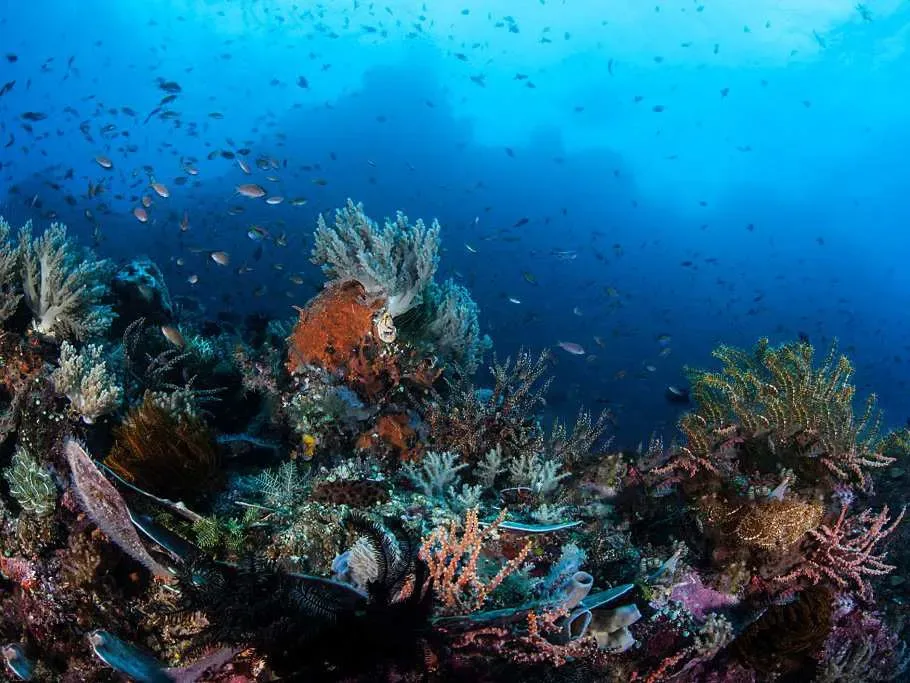
Many divers compare banda sea vs Raja Ampat liveaboard experiences. On an alor Banda Sea crossing liveaboard, the focus is on blue-water pelagics, dramatic topography and historical islands. Expect schooling hammerheads in the Banda Sea during September–November, deep walls around the Banda Islands liveaboard hotspots, and lively reef fish action in Alor’s straits.
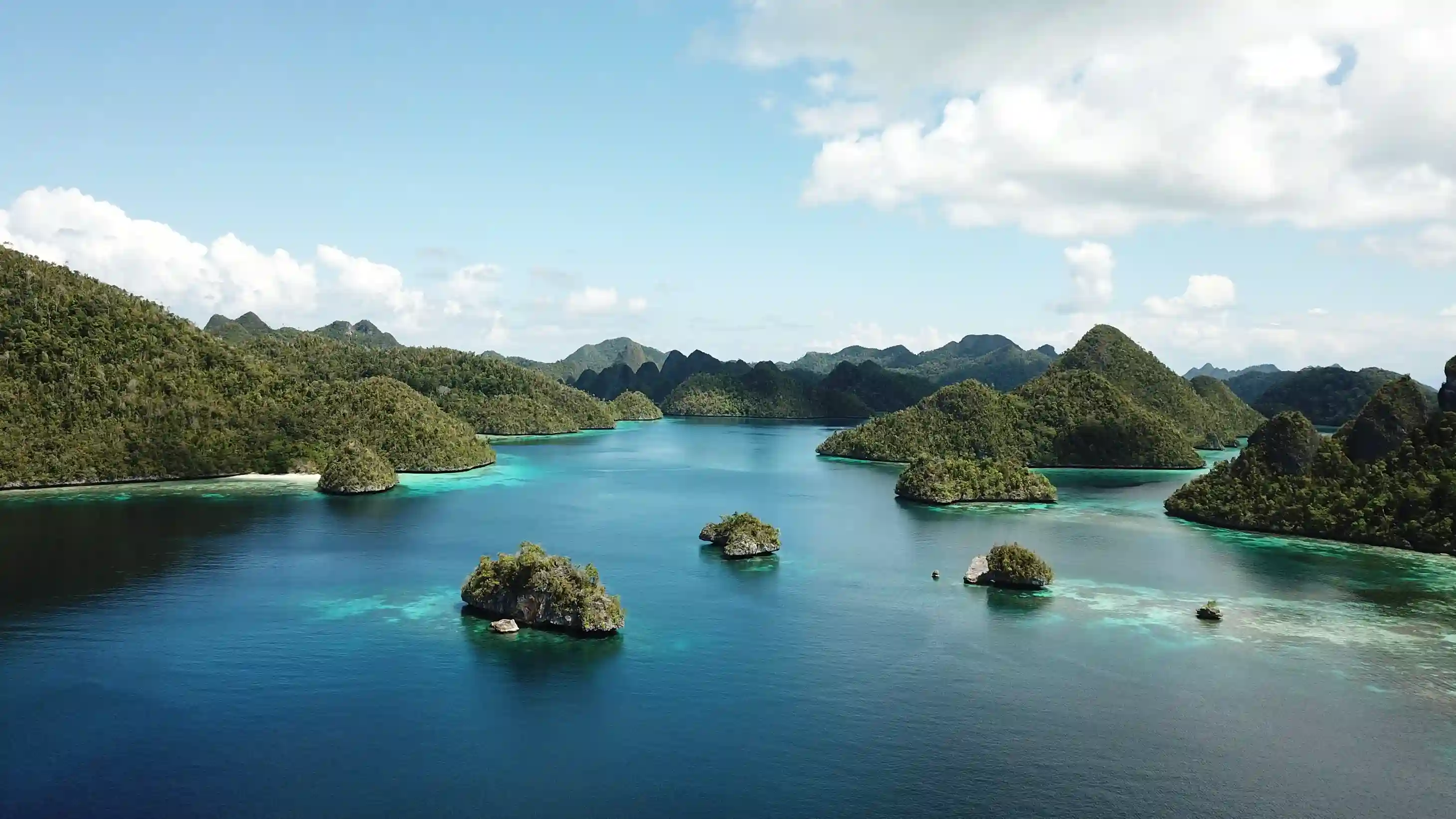
By contrast, Raja Ampat offers unmatched coral diversity, dense fish biomass and iconic karst scenery, described in depth on our dedicated page about key Raja Ampat destinations. A combined liveaboard Alor and Banda Sea crossing delivers cooler water, more current and advanced diving, then transitions into Raja Ampat’s richer coral gardens. Guests aiming to maximise pelagic sightings often favour a Komodo–Alor–Banda crossing in October–November, then extend with a separate Raja Ampat itinerary later in the season.

When do Komodo–Raja Ampat crossing liveaboards depart and what’s the direction?
Those asking When do crossing liveaboards depart? should plan around Indonesia’s monsoon pattern. Most Komodo to Raja Ampat liveaboard crossing trips depart in October–November as boats leave Komodo’s April–November season and head towards Raja Ampat’s October–April window. A smaller number run the reverse Raja Ampat to Komodo crossing trip in April–May, after the main Raja season ends.
Some itineraries are marketed as Bali to Raja Ampat liveaboard crossing cruise or Banda Sea liveaboard from Bali. In practice, these usually start with a short domestic flight from Bali (DPS) to a gateway like Labuan Bajo or Maumere, then embark the vessel. Crossing schedules can change year to year depending on fleet positioning, but typically, each expedition yacht offers only one or two such routes in each direction per season, keeping availability very limited.
How much does a Komodo to Raja Ampat liveaboard crossing cost and how does it compare?
How much does a crossing expedition cost? As of August 2026, indicative per-person rates for a 10–14 day Komodo to Raja Ampat liveaboard crossing on a shared-departure Indonesian phinisi range roughly from USD 3,200–6,500, depending on cabin class, boat tier (Deluxe, VIP, VVIP), and exact length. VVIP full charters on yachts such as Celestia, Lamima, or Dunia Baru can reach or exceed USD 18,000 per night for private groups.
Travellers comparing bali liveaboard vs Raja Ampat price will see that simple Komodo 3D2N trips start from around USD 220 per person (as of August 2026) for open trips, while extended Banda crossings command a premium due to distance, fuel and logistics. The Banda Sea liveaboard cost component is generally higher than equivalent days in Komodo alone, but balanced by access to rarely visited seamounts and historic spice islands on the same voyage.
How do you get there and what is the best route to Raja Ampat from Europe via Bali?
For many guests, the best route to Raja Ampat from Europe via Bali combines international long-haul flights with one or two domestic hops. Commonly, travellers fly into Bali (DPS), spend time on the island, then take a 1h15–1h20 domestic flight to Labuan Bajo (LBJ) to join a Komodo embarkation. After the Komodo to Raja Ampat crossing ends—typically in Sorong—guests then fly Sorong–Jakarta or Sorong–Makassar–Bali for onward connections.
Those planning to book Banda Sea liveaboard online or arrange an alor Banda Sea liveaboard combo can consult our curated liveaboard Indonesia deals, which bundle flight timing advice with boat options. Sorong (SOQ) is the primary starting or finishing port for the Raja side of the crossing, while Labuan Bajo, Maumere or sometimes Ambon serve as western gateways. Our team can help align airport transfers, pre- and post-cruise hotels, and domestic flights around your chosen departure.
- Typical crossing duration: 10–14 days with 30–40+ dives, depending on weather and routing.
- Primary seasons: Komodo→Raja via Banda Sea in October–November; Raja→Komodo return in April–May.
- Indicative park and diving fees in Komodo: around IDR 300,000 per foreign diver per day as of August 2026 (payable onboard).
- Core gateways: Bali (DPS), Labuan Bajo (LBJ), Sorong (SOQ), with domestic connections via Jakarta or Makassar.
- Boat classes available: Deluxe, VIP and VVIP phinisi and yachts within a 240+ vessel network.
- Inclusions usually cover cabin, meals, dives and guide; nitrox, park fees and domestic flights are commonly extra.
- Recommended experience level: comfortable in currents, with solid buoyancy and at least 30–50 logged dives.
Komodo To Raja Ampat Liveaboard Crossing


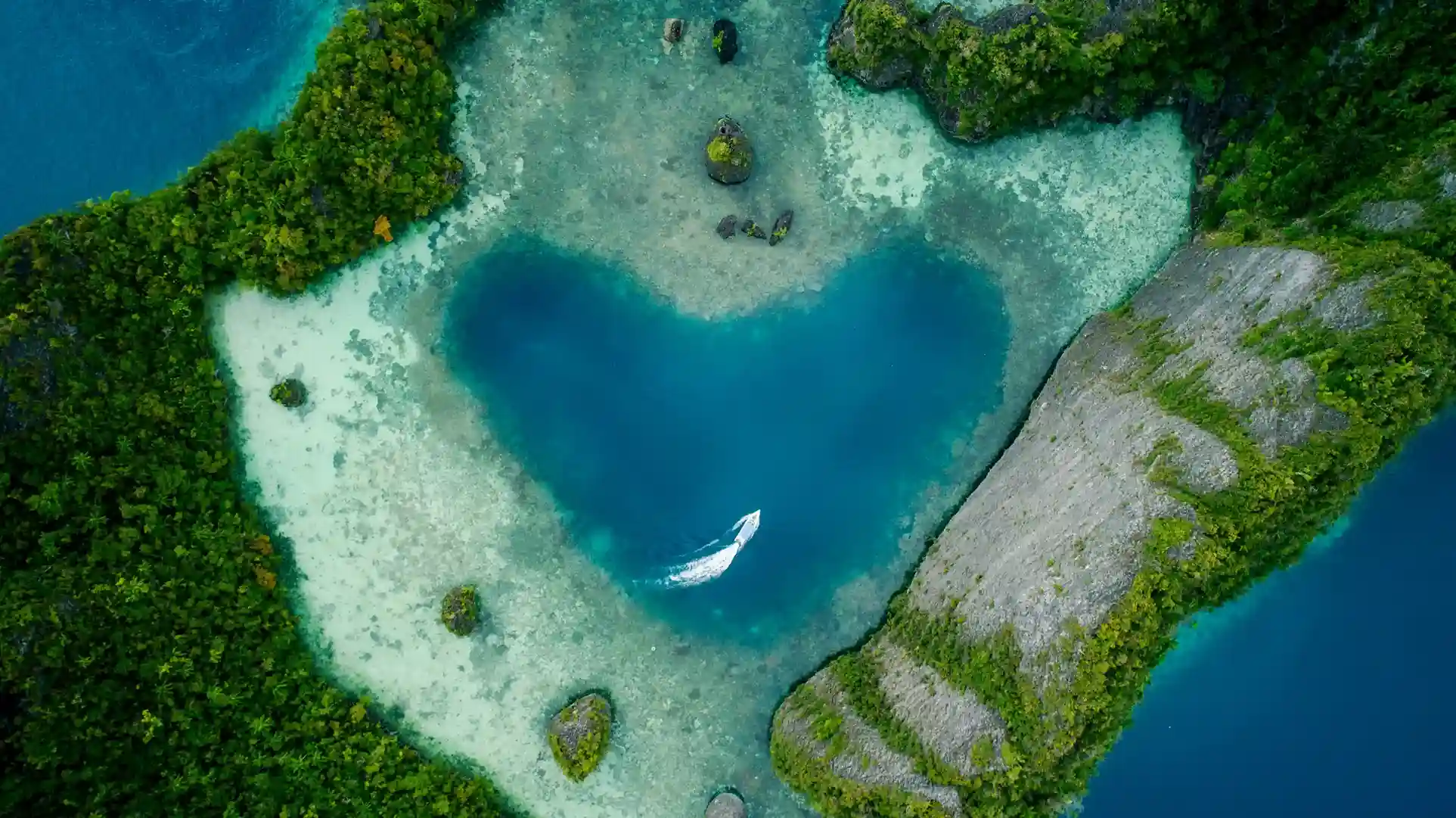



Photography from our own Komodo Luxury fleet and charters across the archipelago.
Frequently asked questions
Yes. Seasonal crossing itineraries cruise between Komodo and Raja Ampat via Alor and the Banda Sea, usually 10–14 days long. These are not year-round routes but scheduled repositioning voyages in October–November and April–May. Spaces are limited because each vessel typically runs only a few such crossings per year in each direction.
Crossing departures cluster around the monsoon changeover. Komodo to Raja Ampat liveaboard crossing trips mostly leave in October–November, as fleets exit Komodo’s dry season. The reverse Raja Ampat to Komodo crossing trip usually operates in April–May. Exact dates shift annually, so checking current liveaboard Indonesia deals is recommended.
A Banda Sea crossing can include schooling hammerheads on deep seamounts, dramatic walls around the Banda Islands, historical spice-trade ports, remote atolls, and blue-water pelagics like tunas and trevallies. Many itineraries also incorporate Alor’s macro and current-swept channels, then finish in the coral-rich reefs around Raja Ampat or nearby eastern Indonesian islands.
Conditions vary by season and route. Operators time crossings for calmer periods, but expect some long open-ocean legs with moderate swell and occasional rougher nights. Most guests manage well with standard seasickness precautions. Trips are best suited to reasonably fit, experienced divers comfortable with currents and 3–4 dives per day over many consecutive days.
As of August 2026, a shared-cabin Komodo to Raja Ampat liveaboard crossing typically ranges from around USD 3,200 to 6,500 per person for 10–14 days, excluding flights and some park fees. Private VVIP yacht charters can exceed USD 18,000 per night. Final pricing depends on vessel class, cabin type, exact route length and seasonal demand.
To check dates, availability and current pricing for a Komodo to Raja Ampat liveaboard crossing, contact the Komodo Luxury desk via WhatsApp 628113823875 or email sales@komodoluxury.com.
Book this route — Operated by Komodo Luxury
We’ll ladder the routes — quote within office hours
Fastest is WhatsApp — a real charter desk, not a bot. Or send the short form and we reply by email with windows, vessels and an itemised fare plank for your month.