Wakatobi Liveaboard — Southeast Sulawesi Reefs
Wakatobi liveaboard cruises explore four main islands—Wangi-Wangi, Kaledupa, Tomia and Binongko—inside Wakatobi Marine National Park
Overview
Wakatobi liveaboard cruises explore four main islands—Wangi-Wangi, Kaledupa, Tomia and Binongko—inside Wakatobi Marine National Park, with trips typically 7–10 nights and up to 25–30 dives. The best time to do a liveaboard in Indonesia here is generally March–December, when Southeast Sulawesi enjoys more settled seas and excellent visibility.
01
Why choose a Wakatobi liveaboard instead of staying at a resort?
A Wakatobi liveaboard is the only way to dive all four main islands—Wangi-Wangi, Kaledupa, Tomia and Binongko—in a single itinerary. Resorts are usually fixed around one reef system, while a scuba liveaboard Indonesia route can cover multiple atolls and remote walls that day boats rarely reach.Typical trips are 7–10 nights with 3–4 dives per day, adding up to more than 20 dives across reefs and seamounts. Many vessels run combination routes with the Banda Sea or Flores, so guests can pair Wakatobi’s hard-coral plateaus with pelagic channels and historic spice islands in one marine life cruise Indonesia holiday.Compared with an Indonesia liveaboard vs Bali dive resort stay, the liveaboard removes long daily transfers and gives sunrise and night access to key sites when fish life is most active. As of August 2026, mid-range cabins on shared trips usually sit below flagship VVIP charter rates in Komodo or Raja Ampat, making Wakatobi an attractive “value” destination for serious divers.
02
What does a typical Wakatobi liveaboard itinerary include?
Wakatobi itineraries usually start from Wangi-Wangi or Tomia, with liveaboard routes looping around ridge-like atolls and steep outer walls. Expect drifts across hard-coral gardens, dramatic drop-offs and protected lagoons ideal for safety stops and macro hunting. Many trips add night dives over seagrass or pier structures with critter life.On a 7-night sailing, operators commonly plan 18–22 dives, depending on crossings and weather. Longer 10-night trips that pair Wakatobi with Flores or a Komodo National Park cruise can add manta cleaning stations and current-swept channels to the schedule. This mirrors how a classic Komodo liveaboard itinerary is structured—two to three intense dive days in each key sector with rest periods on transit nights.For guests exploring broader Indonesia, some trips are structured back-to-back with routes like an ambon liveaboard or Banda Sea crossings, taking advantage of September–November conditions that are also the best time for liveaboard Indonesia voyages in the transitional Banda region.
03
When is the best Wakatobi season and how does it compare across Indonesia?
Wakatobi’s primary liveaboard season runs roughly March–December. The Southeast monsoon (June–September) often brings dry weather, cooler water and excellent 20–40 m visibility around the outer atolls. Shoulder months like April–May and October–November can be particularly attractive for mixed groups, offering calmer seas and good light for wide-angle photography.Compared with Komodo, where April–November is also considered the best time for liveaboard Indonesia diving, Wakatobi is more sheltered and less affected by heavy swell, making it appealing for those prone to seasickness. Many boats reposition between areas: Komodo Apr–Nov, Raja Ampat Oct–Apr, Banda Sea crossings Sep–Nov, and Wakatobi filling the gaps or pairing with those routes.Guests aiming to combine Wakatobi with Komodo National Park liveaboard trips can plan back-to-back voyages in the April–November window. Operators often publish their annual schedules, similar to detailed regional references such as a raja ampat season 2027 guide, so guests can align multiple regions in one extended Indonesia holiday.
04
How does Wakatobi compare in value and logistics to Komodo or Bali-based trips?
Liveaboard Wakatobi pricing generally sits between mainstream Komodo trips and ultra-luxury superyacht Indonesia liveaboard charters. As of August 2026, an indicative range for shared-cabin Wakatobi cruises is typically above entry Komodo shared “open trips” but below VVIP daily rates that can exceed USD 18,000 per night in places like Raja Ampat.For reference, Komodo Luxury’s liveaboard Komodo National Park open-trip rates start from USD 330 per person for 3D2N (as of August 2026) on selected weekday departures, while larger day yachts in Labuan Bajo can cost from USD 9,000 per day for up to 6 guests. A Wakatobi voyage usually includes more days at sea and more dives per trip, so comparisons are best done via a per-dive or per-night lens.Guests researching best Indonesia liveaboard deals from Bali often compare Wakatobi with Komodo and Raja Ampat. Tools such as an updated liveaboard Indonesia price overview help position each destination’s typical budget level. Wakatobi’s relative remoteness and the quality of its Marine National Park reefs make it a strong contender in the “more days, fewer crowds” segment.
05
How do you combine Wakatobi with Komodo, Bali and other Indonesian routes?
Many divers choose to pair Southeast Sulawesi with Komodo or the Banda Sea on a longer holiday. A common flow is Bali → Komodo → Wakatobi or Bali → Wakatobi → Ambon/Banda. Domestic flights connect Bali to major hubs like Makassar and onward to Wakatobi’s gateways, allowing smooth transitions between regions without returning home between trips.For Komodo, the best way to reach Komodo National Park from Bali is by direct flight from Denpasar (DPS) to Labuan Bajo (LBJ), taking around 1h15m gate-to-gate. From there, guests board a komodo national park liveaboard or day yacht. Questions like “can you sail from Bali to Komodo” arise frequently; private Bali Komodo yacht booking is possible, but long open-ocean passages and time make it a higher-end, less common option compared with flying.Travellers coming overland through Lombok might search for bangsal to komodo liveaboard options, but in practice, most reputable itineraries start from Labuan Bajo for safety and efficiency. Combining a Wakatobi trip with these routes lets guests experience both coral gardens and high-adrenaline drifts, plus easier add-ons like an ambon liveaboard for macro and transitional crossings.
06
What should you know about costs, paperwork and inclusions for Wakatobi?
Wakatobi Marine National Park has entrance regulations similar in concept to Komodo, although fee amounts and structures are set by local authorities and can change. Guests should expect separate charges for park access, diving and harbour services, collected by the vessel according to the latest regulations and receipts provided on board.In Komodo, for comparison, the komodo national park entrance fee for foreigners is typically IDR 550,000 - 650,000 per person as of August 2026. Wakatobi may use different exact amounts, but the principle of daily marine park and activity-based fees is similar.Most Wakatobi liveaboards include full-board meals, guiding and tanks/weights in their bali liveaboard package price or broader Indonesia itineraries; extras usually include alcohol, gear rental and park fees. Premium charters in this area can match the comfort level of a superyacht Indonesia liveaboard in Komodo or Raja Ampat, but at a comparatively quieter, less-visited reef region.
- Typical Wakatobi liveaboard length: 7–10 nights with 18–30 dives, depending on crossings and weather.
- Best time to do a liveaboard in Indonesia’s Wakatobi region: generally March–December, with June–September driest.
- Komodo shared open trip reference: 3D2N from USD 220 per person (as of August 2026), park fees excluded.
- Indicative entry range for budget Komodo liveaboard from 550 USD for longer shared trips (as of August 2026).
- Park fees like Komodo’s ~IDR 550,000 - 650,000 per foreign exemplify separate marine, diver and harbour charges.
- Main Indonesian liveaboard seasons: Komodo Apr–Nov, Raja Ampat Oct–Apr, Banda crossings Sep–Nov, Alor Apr–Nov.
- Network access to 240+ vessels across Deluxe, VIP and VVIP classes, from classic phinisi to luxury motor yacht styles.
In these waters
Wakatobi Liveaboard — Southeast Sulawesi Reefs
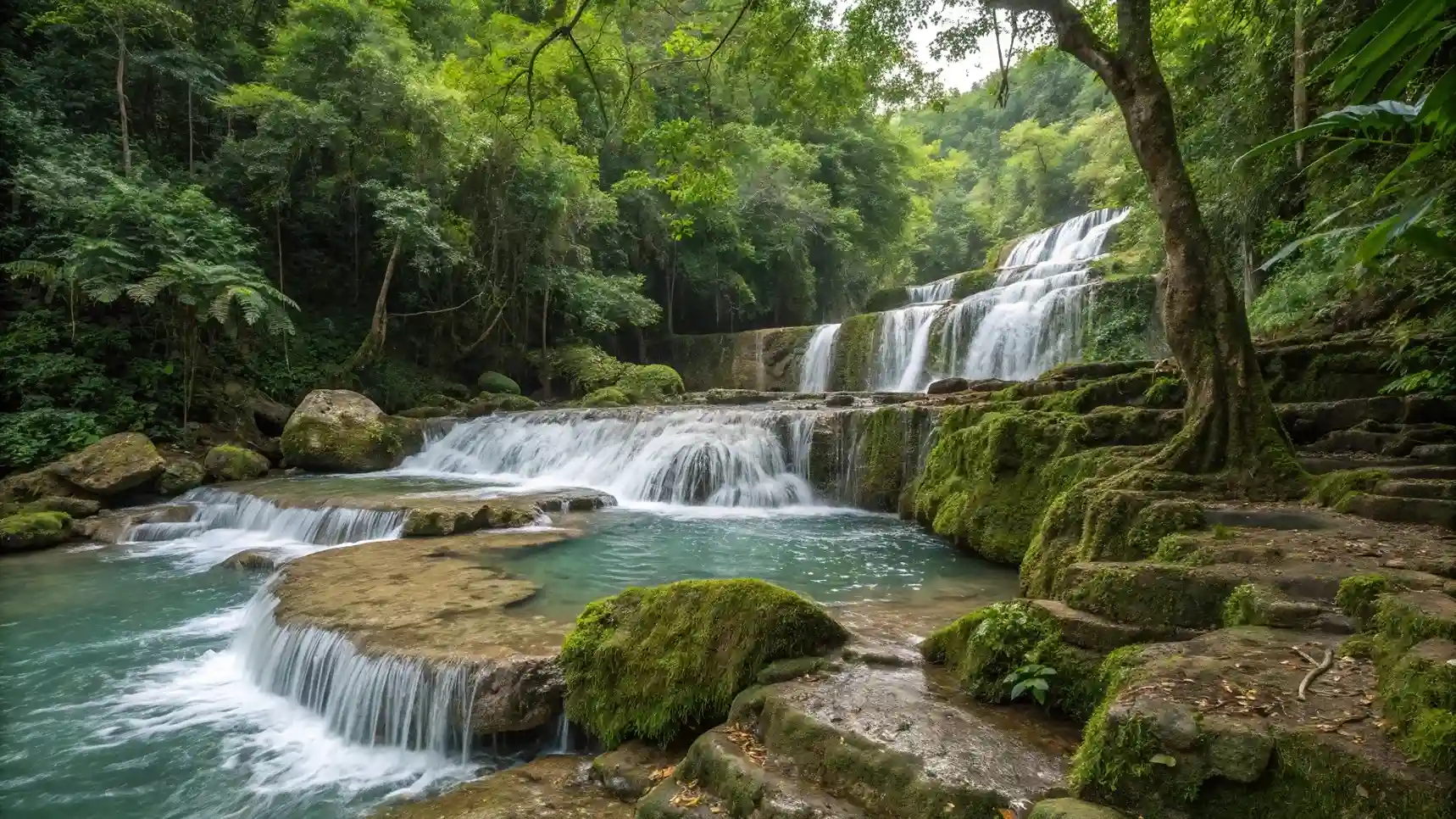
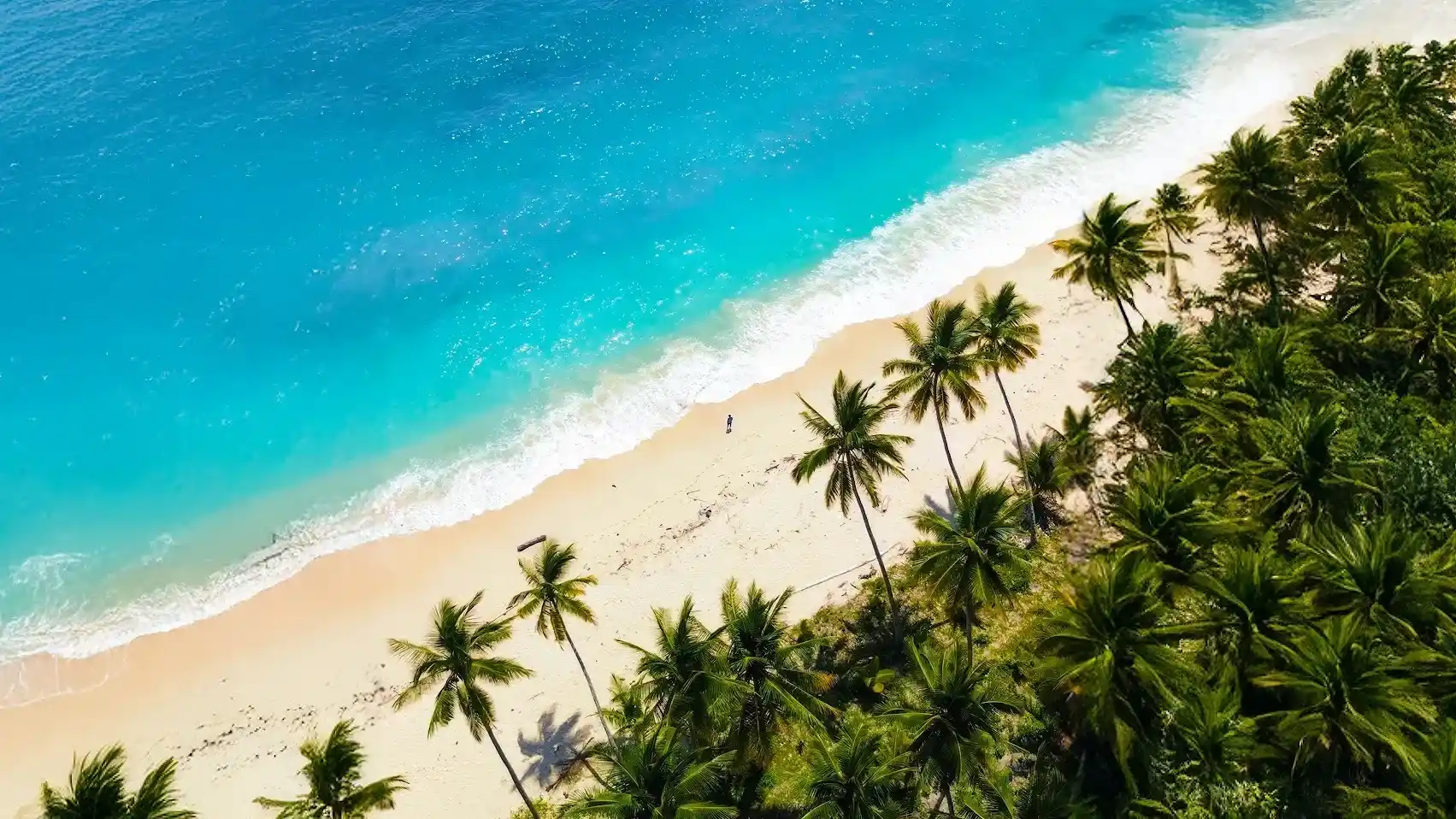
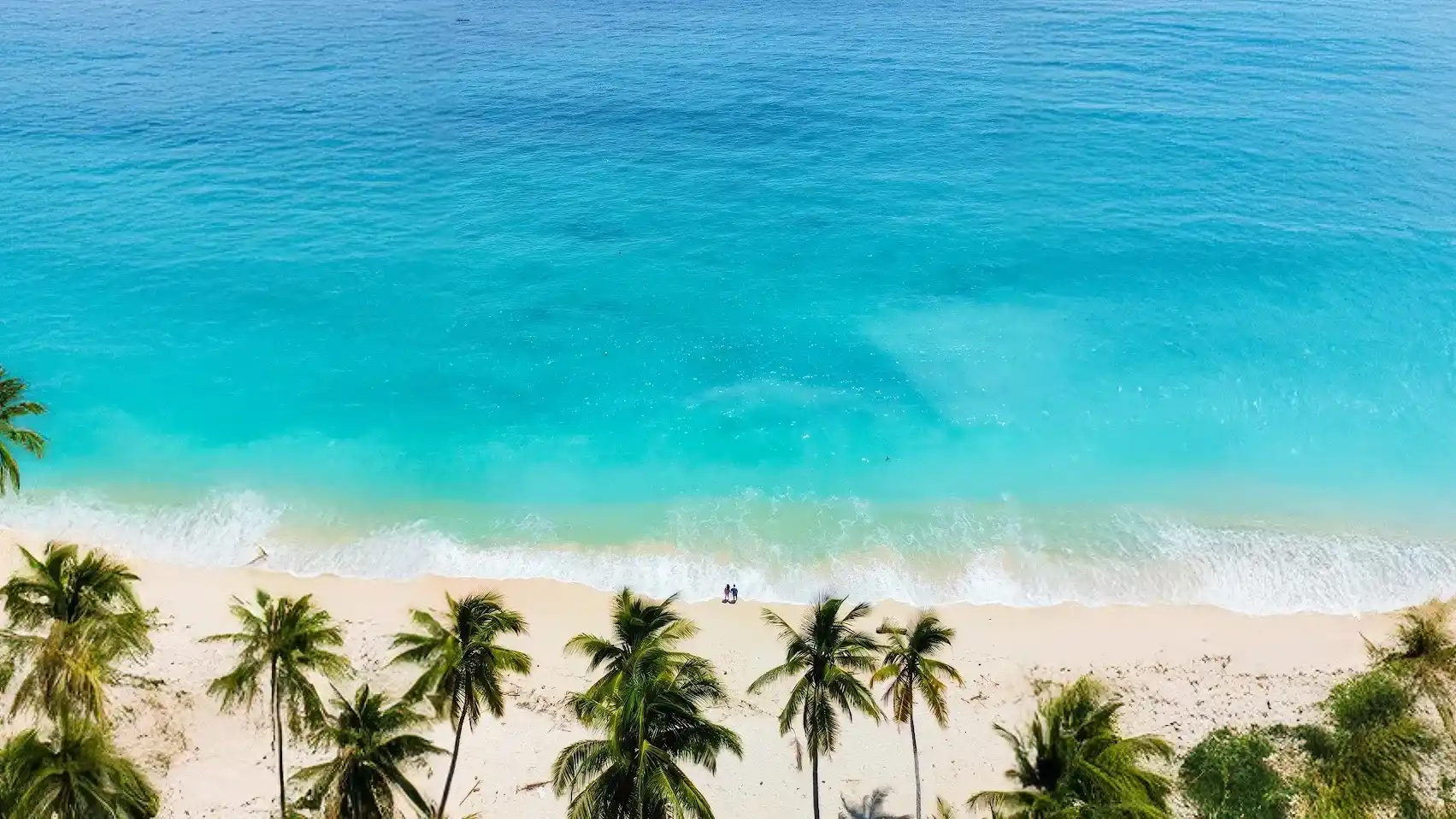
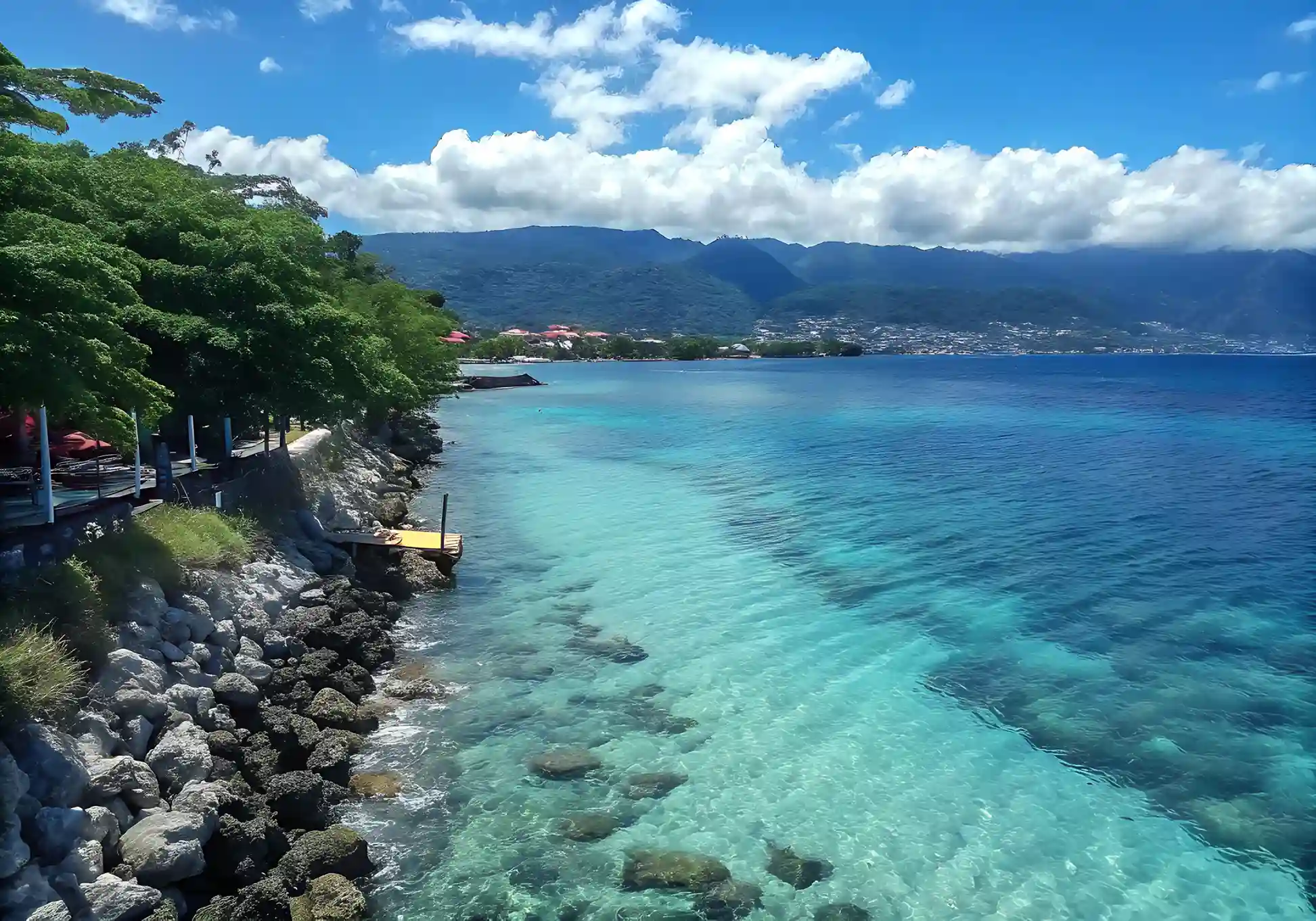
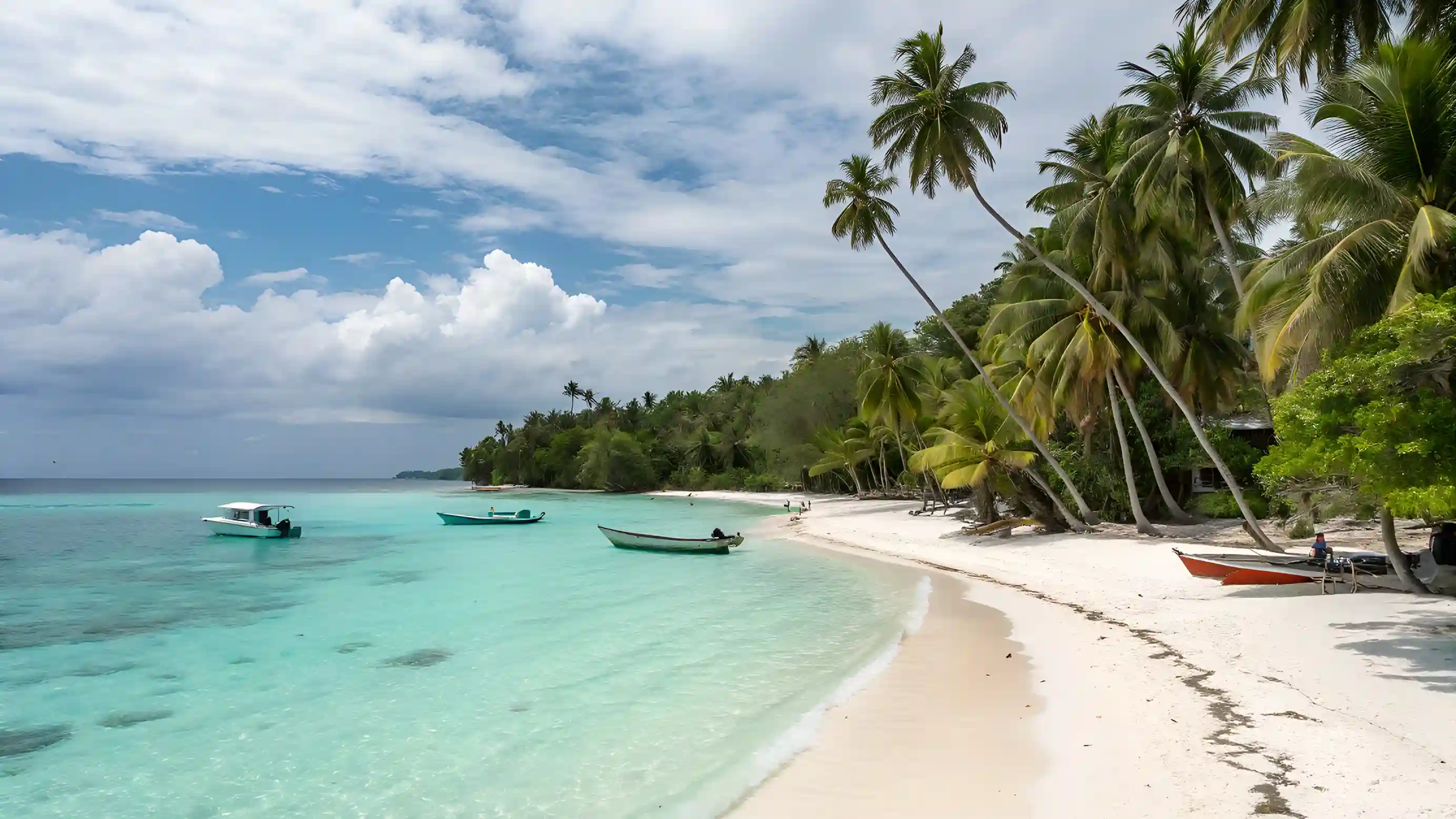
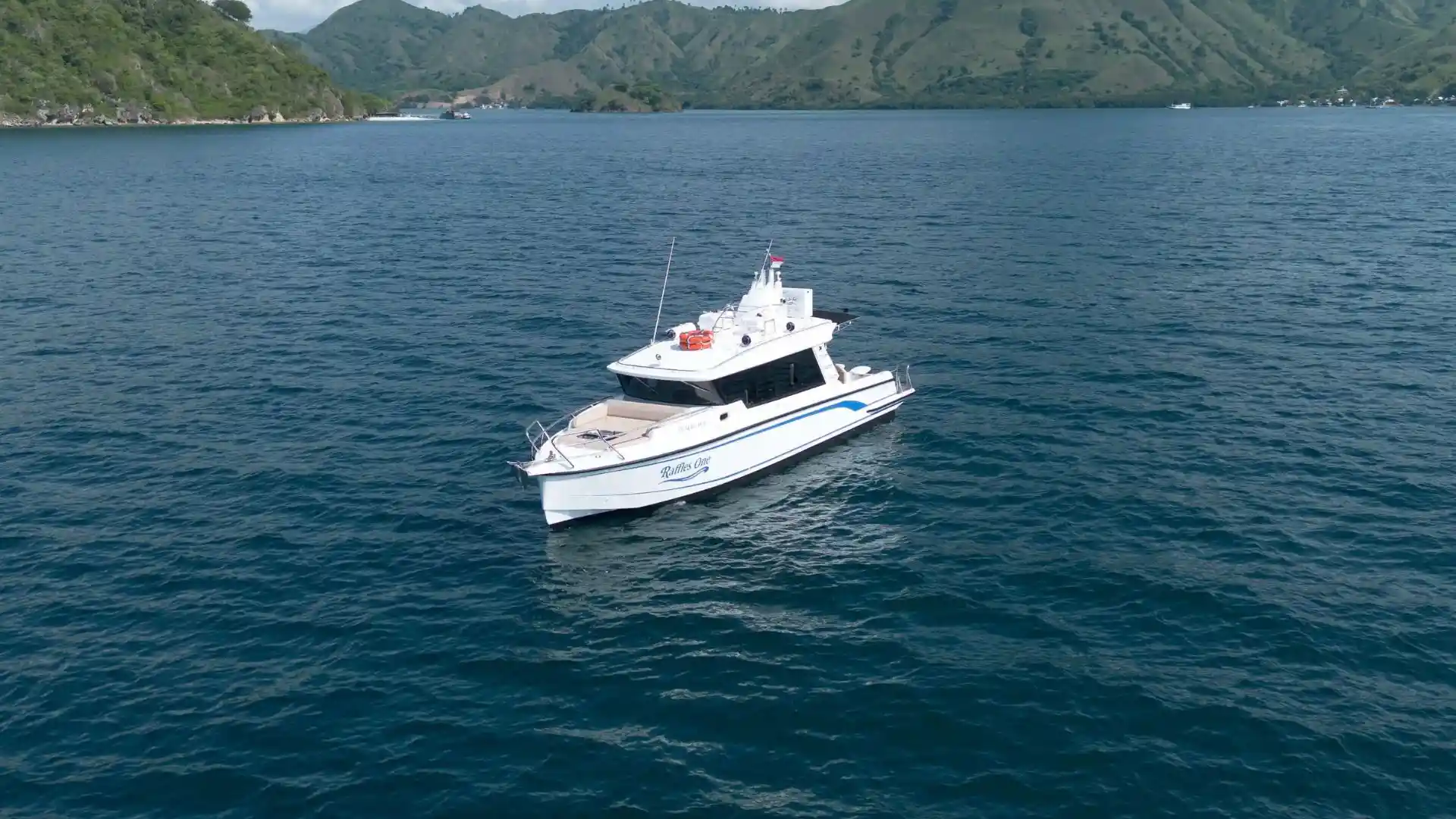
Photography from our own Komodo Luxury fleet and charters across the archipelago.
Answer-First FAQ
Frequently asked questions
Wakatobi is known for its extensive hard-coral atolls, clear blue water and relatively sheltered conditions compared with more exposed Indonesian regions. The Marine National Park covers Wangi-Wangi, Kaledupa, Tomia and Binongko, offering steep walls, coral plateaus and seagrass shallows that support turtles, reef fish, macro species and occasional pelagics.
Guests focused on maximum dive variety usually prefer a liveaboard, which can cover multiple islands and outer atolls in one trip. Resorts work well for those favouring comfort and minimal boat time, but day-boat range is limited. A liveaboard also makes it easier to pair Wakatobi with other routes, similar to combining Komodo or Raja Ampat in one extended itinerary.
Wakatobi season for liveaboards generally runs from March to December, with the driest months often from June to September. Visibility commonly ranges around 20–40 m in the prime months. Some operators schedule shoulder-season trips in April–May and October–November, aligning their calendar with other Indonesian hotspots to optimise fleet movement.
Most travellers reach Wakatobi via domestic flights to Southeast Sulawesi, usually connecting through hubs such as Makassar. From there, guests continue by shorter flight or boat transfer to islands like Wangi-Wangi or Tomia, where many liveaboards start. Exact routings change as airlines adjust schedules, so checking current domestic options is important before booking.
Yes, Wakatobi is highly regarded for snorkeling, thanks to shallow hard-coral gardens, sheltered lagoons and clear water. Many liveaboards welcome non-divers, offering guided snorkel sessions over the same reefs divers explore at depth. Calm conditions around the inner reefs make it suitable for mixed groups of divers, snorkelers and families.For tailored Wakatobi, Komodo or multi-region voyage planning, contact the Komodo Luxury desk on WhatsApp 628113823875 or email sales@komodoluxury.com for current schedules and availability.
Tell us your month
We’ll ladder the routes — quote within office hours
Fastest is WhatsApp — a real charter desk, not a bot. Or send the short form and we reply by email with windows, vessels and an itemised fare plank for your month.