Triton Bay & Kaimana Liveaboard Guide
Triton Bay liveaboard cruises focus on Kaimana’s coral‑rich bays in West Papua, typically 7–10 days
Triton Bay liveaboard cruises focus on Kaimana’s coral‑rich bays in West Papua, typically 7–10 days, with whale shark encounters at bagan fishing platforms, black‑coral forests, and soft‑coral gardens. The prime Triton Bay season is October–April, and most guests access the area via domestic flights into Kaimana Airport.
What makes a Triton Bay liveaboard different from other Indonesia trips?
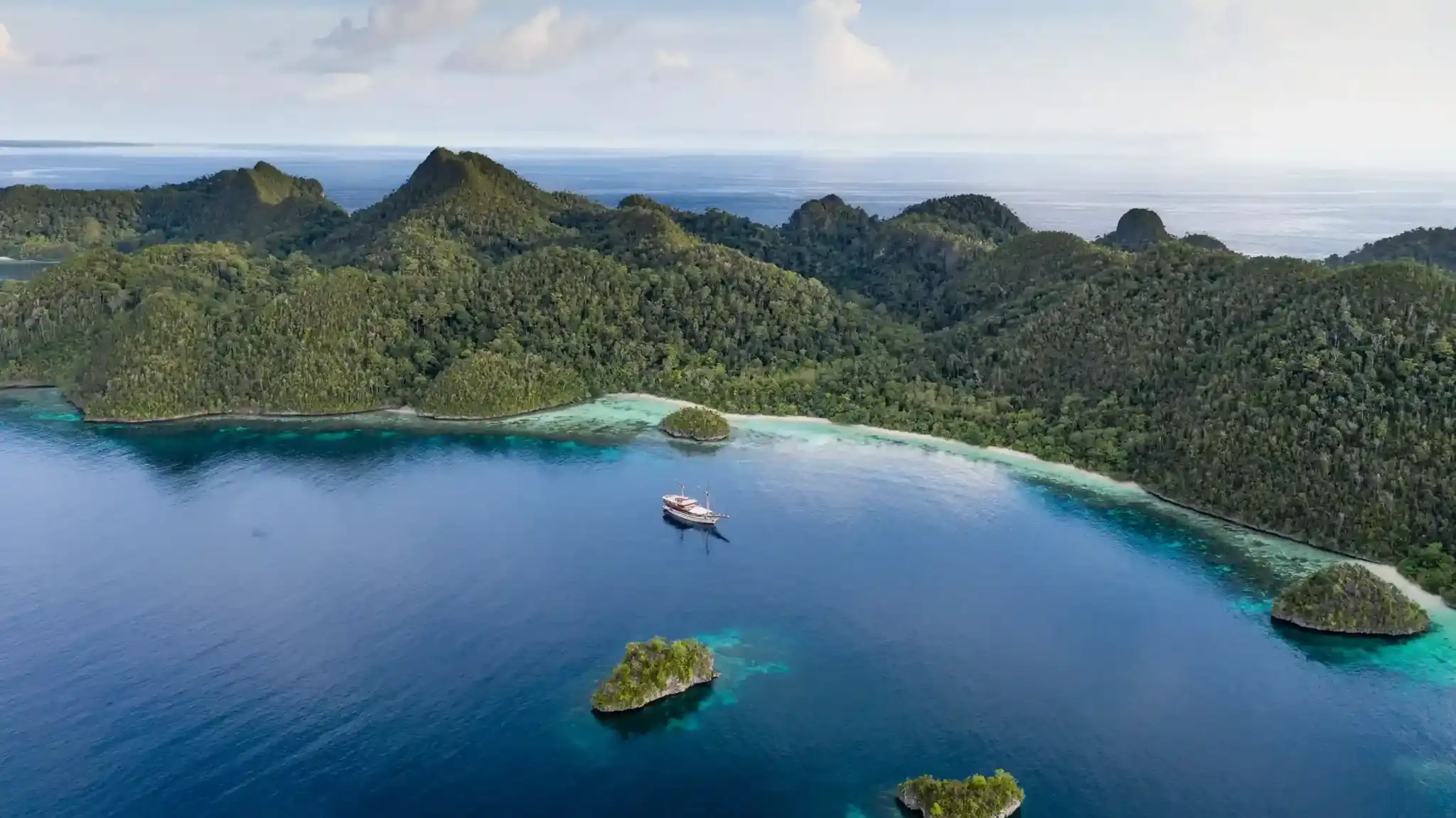
Triton Bay is part of the Kaimana Regency in West Papua, an area that only began receiving regular liveaboards around 2007–2010. That late start means coral cover is unusually high and diver numbers remain low compared with Komodo or central Raja Ampat. Trips here feel remote, with few other boats in sight even in peak months.
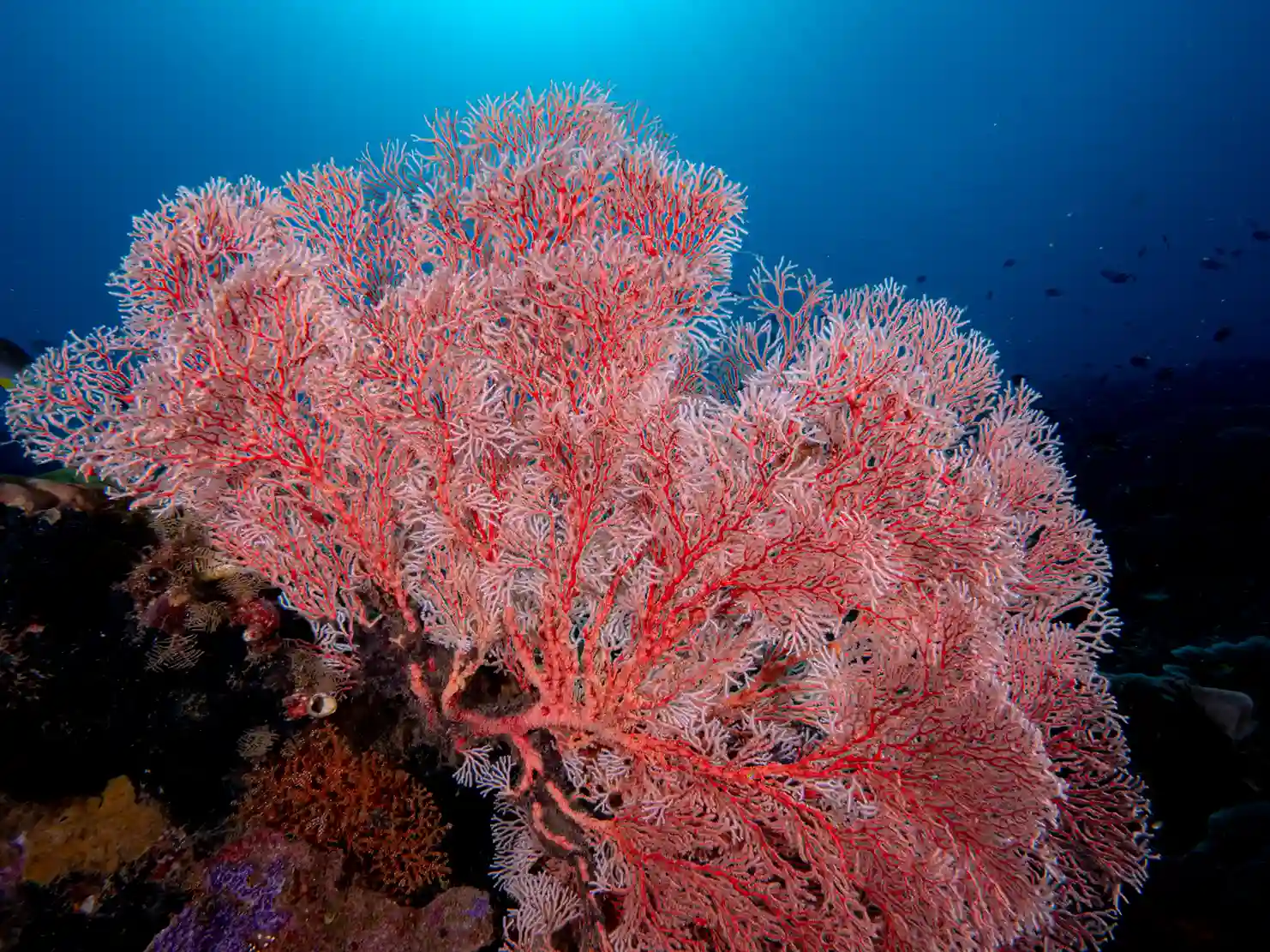
The headline experiences are rich soft‑coral slopes, forests of black coral, and whale sharks visiting traditional bagan fishing platforms. Visibility can be milky at times because of nutrients, but this same plankton feeds dense fish life, large schools of fusiliers and jacks, and frequent mobula sightings. Photographers value the mix of wide‑angle soft corals and critter‑rich bommies.
As of August 2026, most Triton Bay liveaboard itineraries run 7–10 nights and are often combined with Kaimana’s bays, Misool in southern Raja Ampat, or even extended expeditions that also touch cenderawasih bay liveaboard routes for more whale shark encounters. This makes the region popular for repeat Indonesia divers who have already done a Komodo liveaboard tour or Raja Ampat classic route.

When is Triton Bay season, and what conditions should divers expect?
Triton Bay’s core liveaboard season is October–April, broadly matching southern Raja Ampat’s weather window. During these months, seas are typically calmer, with less wind and a higher chance of reaching exposed headlands such as Aiduma Island. Many boats position in West Papua after finishing the Komodo April–November season.
Water temperatures usually sit around 27–29°C, encouraging long dives among the soft corals and black‑coral trees. Visibility is variable: 10–25 metres is common, but nutrient‑rich plankton sometimes reduces it. That trade‑off fuels dense fish biomass and regular pelagic sightings. Macro photographers appreciate the hazier days for vibrant color and backscatter‑friendly lighting.
Outside the October–April period some vessels still visit, particularly in shoulder months, but swells and wind increase. For guests planning multiple regions, it is realistic to schedule a Bali to Komodo luxury liveaboard between April and September, then continue east for Triton Bay and Raja Ampat in the October–April window using indonesia liveaboard diving packages from Bali coordinated through one provider.
How do you get to Kaimana and start a Triton Bay liveaboard itinerary?
How do you get to Kaimana? Most guests first fly into major Indonesian hubs such as Jakarta or Bali, then connect domestically to Kaimana Airport (KNG) via cities like Sorong or Timika, depending on current airline schedules. As of August 2026, there are no international flights directly into Kaimana.
For those combining Bali and Eastern Indonesia, it is common to use flights bali to labuan bajo for a Komodo segment, then continue onward via Sorong to West Papua. Komodo Luxury can coordinate these connections as part of wider indonesia liveaboard diving packages from Bali, including hotel stopovers where necessary.
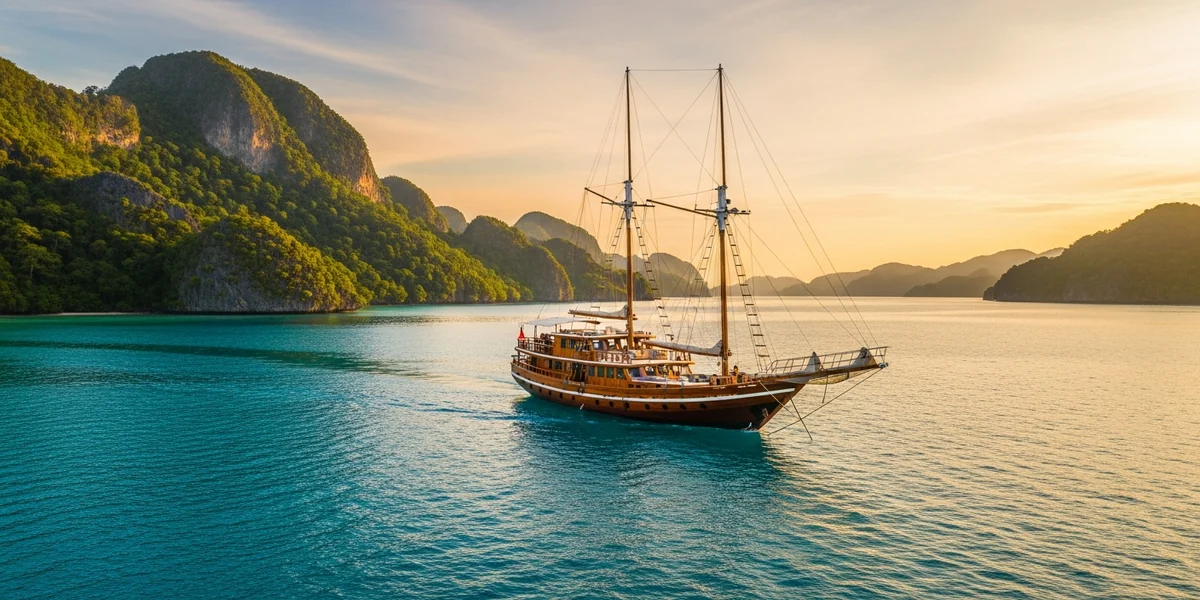
On embarkation day, crews typically meet guests at Kaimana Airport and transfer them 15–30 minutes to the harbour, where tenders bring everyone aboard. Some longer expeditions may embark in Sorong and disembark in Kaimana (or the reverse), covering Misool, Triton Bay, and Kaimana in one extended luxury cruise small ship indonesia itinerary.

What will you actually see on a Triton Bay liveaboard day by day?
Expect three or sometimes four dives per day, plus night dives on several evenings. Mornings may focus on signature soft‑coral slopes such as those around Aiduma Island, where currents wash over orange, pink, and purple colonies. In between, tenders explore limestone islets and mangrove fringes with impressive coral growth right up to the surface.
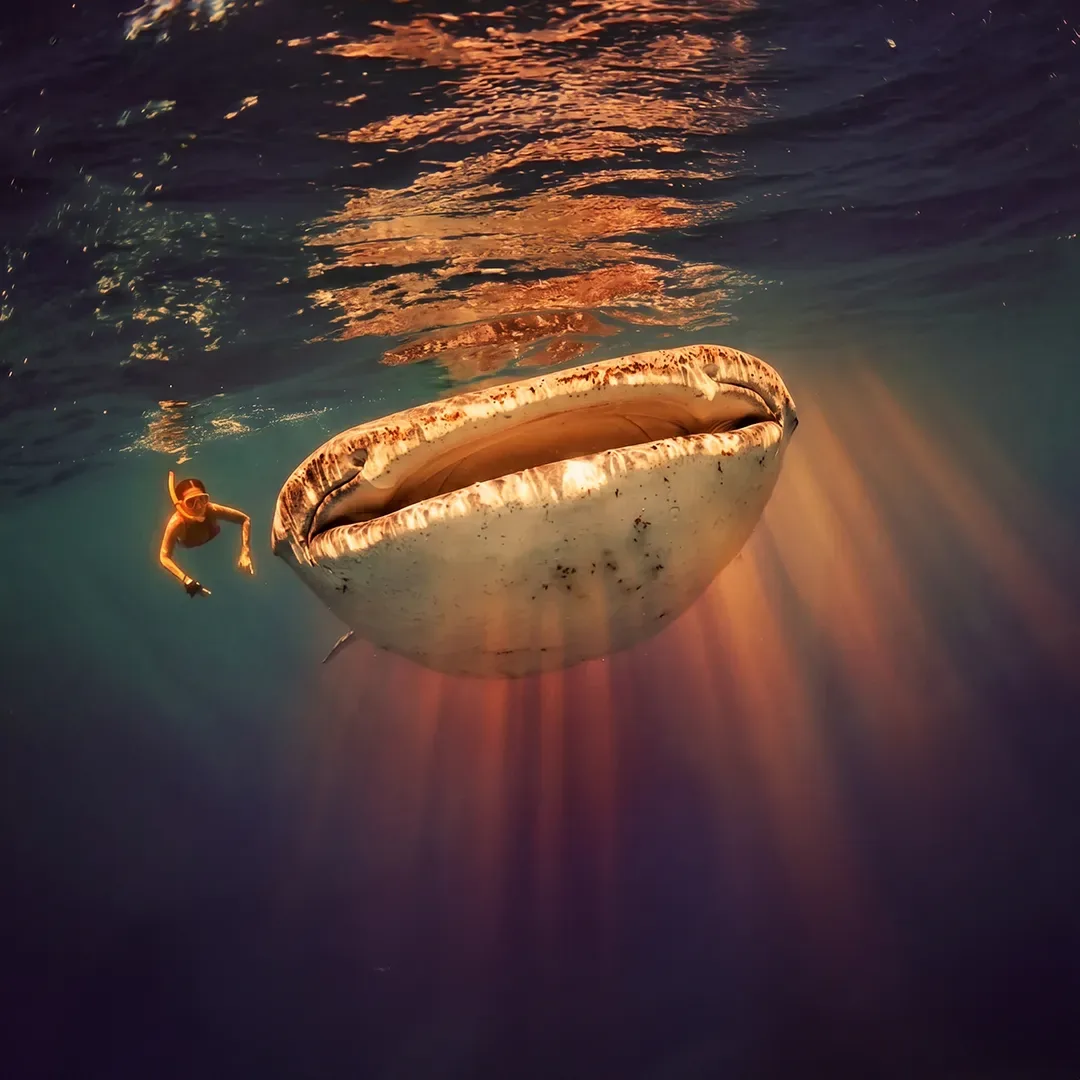
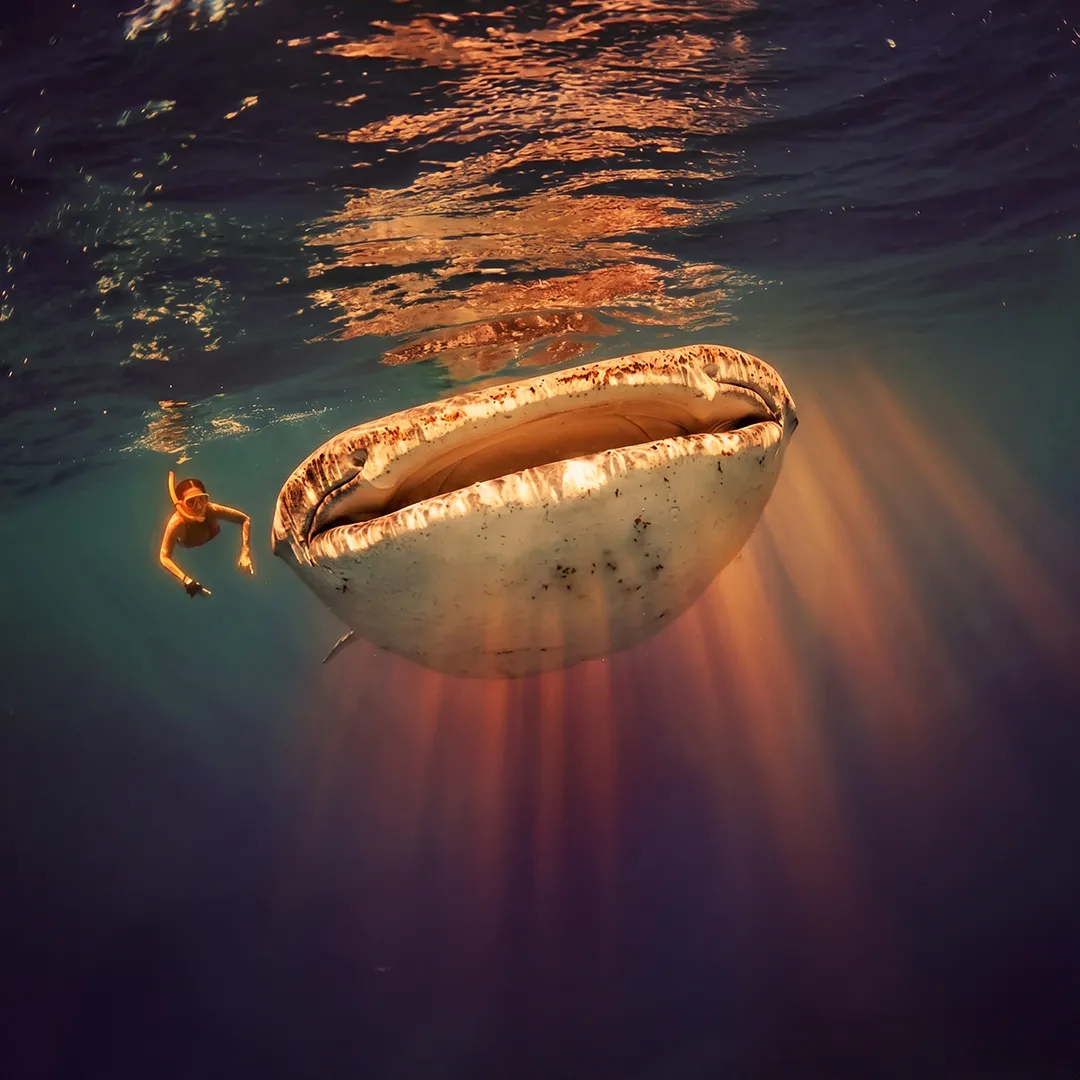
Whale shark sessions are usually scheduled early—often at sunrise—at bagan fishing platforms, similar in concept to saleh bay whale sharks experiences and encounters in Cenderawasih. Fishermen attract plankton‑rich baitfish under their nets, which in turn draw whale sharks that circle and feed around the structures.
Afternoons can switch to critter hunting under piers, in sheltered bays, or along rubble slopes with nudibranchs, pygmy seahorses, and frogfish. Many guests pair their Triton Bay trip with a Raja Ampat segment or even a cenderawasih bay liveaboard for an extended West Papua exploration covering multiple whale shark aggregation sites and coral ecosystems.
How does Triton Bay fit with Bali, Komodo, and other Indonesia liveaboards?
Triton Bay is a logical “next step” for divers who have already explored a luxury komodo liveaboard or Raja Ampat. Komodo Luxury’s network of more than 240 vessels includes Deluxe, VIP, and VVIP yachts, allowing guests to combine a Bali komodo luxury cruise with a remote Triton Bay leg on a single booking, as long as seasonal windows align.
Bali liveaboard packages remain ideal for shorter holidays, with Komodo shared open trips from about USD 220 per person for 3D2N as of August 2026, plus Komodo National Park fees. At the higher end, VVIP charters in Komodo and West Papua can exceed USD 18,000 per night, particularly on high‑end bali luxury yacht liveaboard vessels like Celestia, Lamima, Dunia Baru, Alila Purnama, King Neptune, or Manta Mae.
Guests often start with a bali komodo liveaboard package, then later add Triton Bay or Raja Ampat once comfortable with currents and long liveaboard schedules. Because Komodo Luxury operates across Bali, Komodo, Raja Ampat, and Eastern Indonesia as part of Juara Holding Group since 2015, planning multi‑region itineraries and domestic flight links is straightforward.
How much does a Triton Bay liveaboard cost compared with other Indonesia options?
Luxury liveaboard Indonesia cost varies widely, influenced by cabin standard, vessel size, private charter vs shared departure, and season. As of August 2026, Triton Bay cruises on higher‑end yachts usually sit toward the premium end of the spectrum because of remoteness, fuel needs, and limited local provisioning.
To understand budget liveaboard vs luxury liveaboard indonesia choices, consider where you want to allocate funds: cabin comfort, cuisine, dive‑deck layout, and service ratios. A liveaboard scuba cruise indonesia budget vs luxury comparison shows that while budget boats can offer more economical berths, luxury bali liveaboard and komodo luxury liveaboard options typically add better tenders, guides, and safety equipment for long offshore legs.
Guests who appreciate elevated service often migrate from standard boats to the best luxury liveaboard indonesia options after one or two earlier trips, especially for remote routes like Triton Bay, Banda Sea crossings, or combined luxury bali to komodo liveaboard and West Papua expeditions.
- Triton Bay core season: October–April, aligning with southern Raja Ampat’s calmest months.
- Typical itinerary length: 7–10 nights, often combined with Kaimana or Misool segments.
- Access point: Kaimana Airport (KNG) via domestic flights from Jakarta, Bali, Sorong, or Timika.
- Komodo shared open trip reference price: from USD 220 per person for 3D2N as of August 2026.
- Day yacht Labuan Bajo charters: from around USD 9,000 per group (up to 6 guests) as of August 2026.
- Flagship VVIP Indonesian charters: can exceed USD 18,000 per night as of August 2026.
- Park/diving fees example: Komodo foreign divers typically pay about IDR 300,000 per diver per day in 2026.
Triton Bay & Kaimana Liveaboard Guide
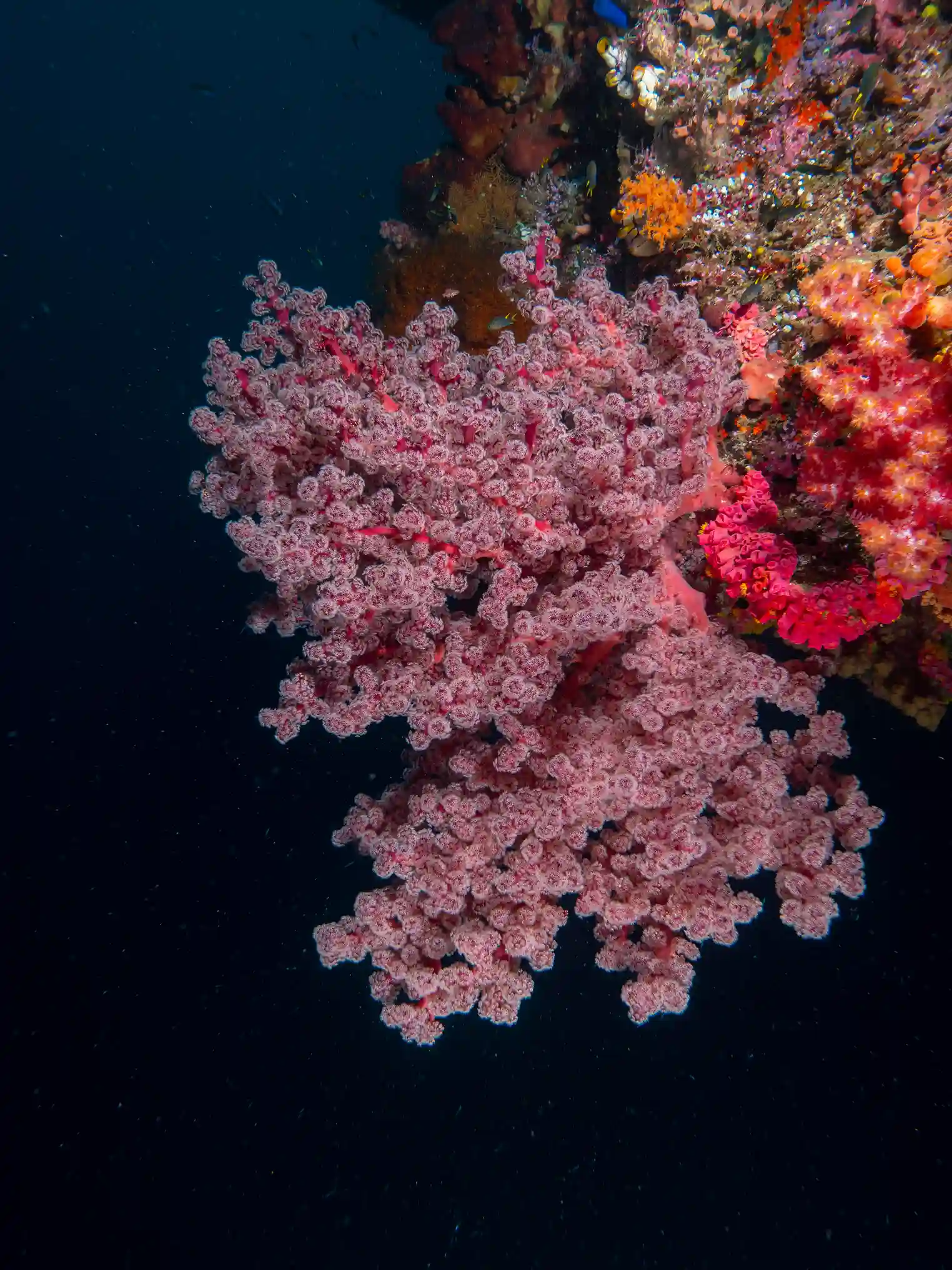


Photography from our own Komodo Luxury fleet and charters across the archipelago.
Frequently asked questions
Triton Bay lies in the Kaimana Regency of West Papua, Indonesia, along the south coast of the Bird’s Head Seascape. It is south of Raja Ampat and west of the Arafura Sea. Liveaboards usually access the area via Kaimana town, using the sheltered bays and islands nearby as bases for diving and exploration.
Bagans are traditional fishing platforms that hang nets beneath their wooden structures and illuminate the water at night to attract baitfish. The dense, plankton‑rich environment draws whale sharks, which have learned to linger around the platforms to feed on escaped or discarded fish, making regular close‑range encounters possible for divers and snorkelers.
Reaching Kaimana typically involves flying first into a major Indonesian hub such as Jakarta or Bali, then taking a domestic connection via cities like Sorong or Timika to Kaimana Airport (KNG). From there, liveaboard operators arrange transfers from the airport to the harbour and onward by tender to your vessel for embarkation.
The main Triton Bay season runs from October to April, when winds are generally lower and seas calmer across West Papua’s southern coast. Many vessels reposition from Komodo’s April–November season to West Papua around this time, combining Triton Bay with Kaimana and sometimes Misool for extended cruise itineraries.
Raja Ampat offers a larger area, more established infrastructure, and famous names like Wayag, Misool, and Dampier Strait. Triton Bay is quieter, with fewer boats and more exploratory dives, focused on soft‑coral gardens and black‑coral forests. Many divers pair the two, using a luxury bali to komodo liveaboard or Raja Ampat leg before or after Triton Bay.
To plan a Triton Bay & Kaimana expedition or combine it with a Komodo liveaboard package, contact the Komodo Luxury desk via WhatsApp at 628113823875 or email sales@komodoluxury.com for current schedules and vessel options.
Book this route — Operated by Komodo Luxury
We’ll ladder the routes — quote within office hours
Fastest is WhatsApp — a real charter desk, not a bot. Or send the short form and we reply by email with windows, vessels and an itemised fare plank for your month.