
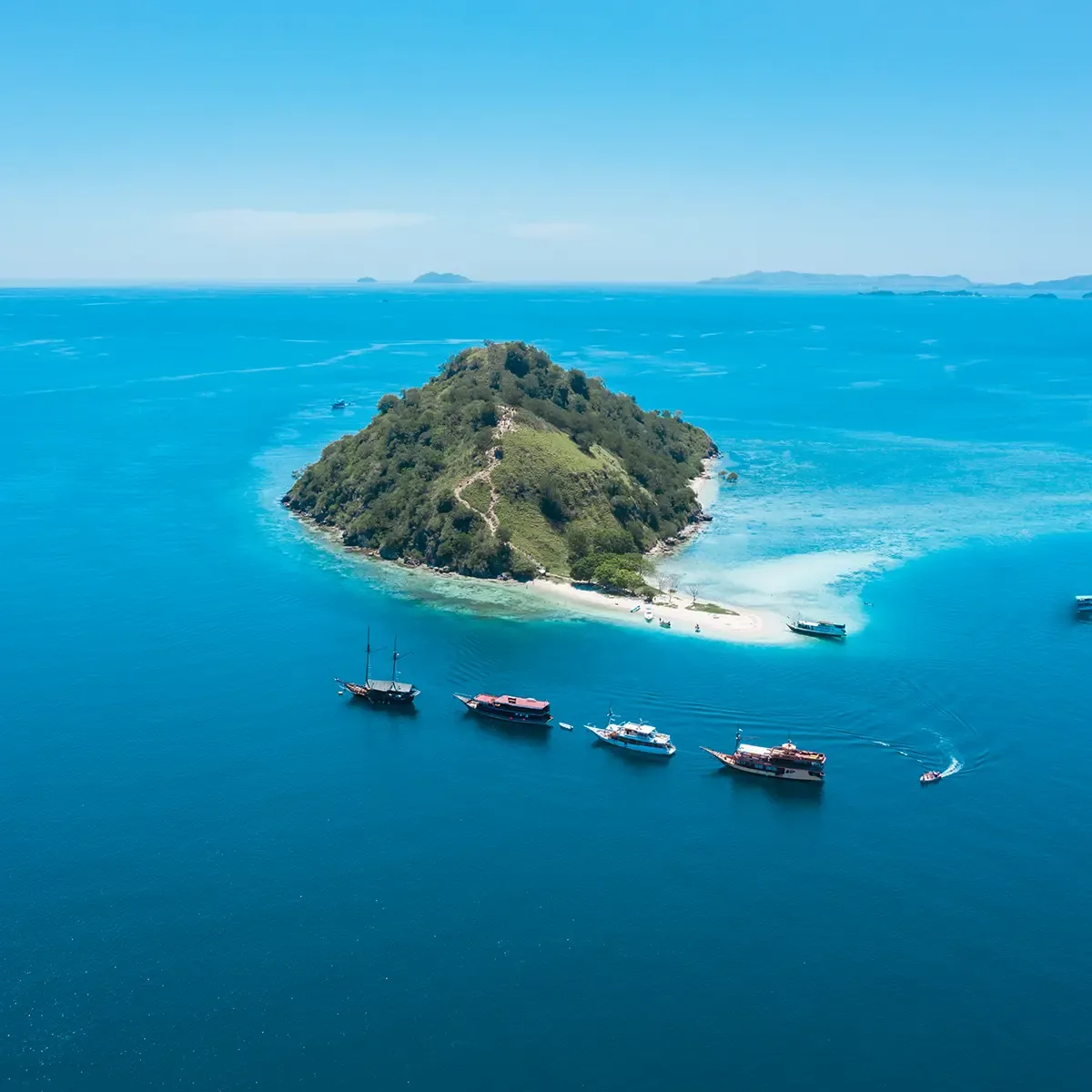
Labuan Bajo & Flores — Gateway To Komodo Trips
Labuan Bajo liveaboard trips depart just 10–15 minutes from Komodo Airport, with most boarding at the main harbor or nearby private marinas.
Overview
Labuan Bajo liveaboard trips depart just 10–15 minutes from Komodo Airport, with most boarding at the main harbor or nearby private marinas. As of August 2026, shared Komodo liveaboards start from about USD 330 per person for 3 days/2 nights, with longer Indonesia diving cruise Bali–Komodo–Flores routes available.
01
What makes Labuan Bajo the ideal gateway town for a Komodo liveaboard?
Labuan Bajo on Flores is the closest harbor town to Komodo National Park, with daily flights, a compact waterfront, and direct access to the park’s northern and central sites. Komodo Airport (LBJ) sits just above the bay, and the harbor area has grown rapidly since around 2015 into a dedicated liveaboard hub with marinas, jetties, fuel, and provisioning.Most Komodo liveaboard from Labuan Bajo itineraries are 3–7 days, allowing easy access to sites such as Batu Bolong, Manta Point, and the dragon treks on Rinca and Komodo. Because of its location on Flores, Labuan Bajo also works as a starting or ending point for a longer Indonesia diving cruise Bali Komodo Flores route, joining eastbound or westbound phinisi programs.Labuan Bajo is part of the same network that connects to Raja Ampat, Banda Sea, Alor and other eastern Indonesia regions, so one flight or ferry hop can link your Komodo cruise with onward expeditions to raja ampat destinations, a wakatobi liveaboard, or a lembeh liveaboard macro trip.
02
How do you get from Bali to Labuan Bajo for a Komodo cruise or liveaboard?
For most guests, the fastest answer to how to get from Bali to Labuan Bajo for Komodo cruise departures is by plane. Nonstop flights from Denpasar (DPS) to Komodo Airport (LBJ) take about 1 hour 10–20 minutes, with several Indonesian carriers operating this route in 2026. This timing makes same-day boarding easy for many departures.For travelers asking how to get from Bali to Labuan Bajo by liveaboard instead of by air, a bali to labuan bajo liveaboard or trans Flores liveaboard cruise is possible on select phinisi repositioning or extended expedition itineraries, often 7–12 nights. These longer liveaboard cruise Bali programs typically integrate a Bali dive cruise around Nusa Penida or Gili, then continue east to Sumbawa and Komodo.There are also routes branded as bali to flores to komodo cruise or Lombok Labuan Bajo cruise, which may start from Bali, pass Lombok and Sumbawa, then finish in Labuan Bajo. These are less frequent than standard Labuan Bajo turnarounds and often scheduled in seasonal windows, for example around April–May or September–November when seas are calmer along the chain.
03
How close is Komodo Airport to the harbor, and what are boarding logistics like?
The komodo airport to labuan bajo harbor distance is short: usually 3–5 km depending on your harbor gate or marina. By car, the drive takes about 10–15 minutes in normal traffic. Taxis and private transfers line up outside the airport, and many liveaboard operators arrange pickup as part of boarding logistics.As of August 2026, budget for roughly IDR 50,000–100,000 for a taxi from Komodo Airport to the harbor, depending on negotiation and vehicle type. Boarding points include the public jetty, multi-use marinas, or private piers associated with particular boats. Check your cruise voucher for the exact meeting point, boarding window, and whether luggage porters are included.For day yachts, such as a day charter listed at around USD 9,000 for up to 6 guests as of August 2026, boarding may be from a quieter side pier with direct tender access. For shared open trips (3D2N from about USD 330 per person as of August 2026), boarding is usually from the main public jetty with group transfers organized in fixed time slots.
04
Do you need to stay in Labuan Bajo before or after a Komodo liveaboard?
Many travelers ask: do i need to stay in labuan bajo before komodo liveaboard departures, or can flights and boarding be done on the same day? With the relatively short DPS–LBJ flight and the komodo airport to labuan bajo harbor distance, same-day boarding is technically possible, especially if the boat’s check-in time is in the afternoon.However, staying one night in town before embarkation is highly recommended, particularly during peak Komodo season (April–November) when weather or airline schedule changes can affect flights. An overnight buffer reduces the risk of missing your komodo liveaboard from labuan bajo because of delays, and gives time to organize park fees, cash withdrawals, or rental gear fitting.For those asking about Labuan Bajo to Bali liveaboard or phinisi cruise Indonesia from Bali logistics, an overnight at the end of the trip is also wise. Disembarkation usually finishes late morning; adding one extra night allows time for drying equipment and observing no-fly intervals after diving before catching the flight back to Bali or Jakarta.
05
Which Labuan Bajo hotels near the harbor work best before liveaboard departure?
Labuan Bajo hotels near harbor for liveaboard departure now range from simple guesthouses to higher-end boutique hotels and international-brand properties. Harborfront hotels often sit within 5–15 minutes’ walk or a short taxi transfer of the main jetty, which is practical for early boarding calls, luggage handling, or quick gear drop-offs.Some hotels offer packaged transfers, allowing a seamless handover from airport to hotel and then hotel to harbor at fixed times. Many liveaboard guests choose mid-range harbor-view hotels that offer air conditioning, 24-hour reception, and early breakfast, especially for those joining a bali yacht cruise or phinisi cruise Bali that starts or ends in Labuan Bajo on a repositioning route.For travelers planning a longer Indonesia diving cruise Bali Komodo Flores itinerary, it is common to book one hotel night on arrival, join the boat for a week or more, then spend another night in Labuan Bajo at the end before connecting to flights or an overland Flores extension to Bajawa, Ende, or Maumere.
06
What can you combine with Labuan Bajo: Flores overland, Bali, and other regions?
Labuan Bajo is not only the maritime gateway to Komodo National Park; it is also the western entry point to Flores overland itineraries. After disembarking from a trans Flores liveaboard cruise or standard Komodo itinerary, many guests continue overland by car to Ruteng, Bajawa, Kelimutu, and eventually Maumere, combining volcanoes, traditional villages, and lakes with their time at sea.From Bali, travelers can start with a phinisi cruise Bali, explore Nusa Penida on a bali dive cruise, then transition east to Komodo and onward to raja ampat destinations via Sorong, or even to Sulawesi for a wakatobi liveaboard and lembeh liveaboard circuit. This is facilitated by domestic flights linking Denpasar, Labuan Bajo, Makassar, Manado, and Sorong.Labuan Bajo fits well in multi-segment plans: for example, Bali–Komodo (April–November), then Raja Ampat (October–April) or Banda crossings (September–November). Komodo Luxury’s network, active since 2015 as part of Juara Holding Group, helps coordinate these phinisi cruise Indonesia from Bali logistics into one continuous route instead of isolated trips.
- Typical Komodo park and harbor fees for foreign: about IDR 550,000 - 650,000 per day as of August 2026.
- Shared “open trip” Komodo cruises: from around USD 330 per person for 3 days/2 nights (weekday departures, 12–24 guests) as of August 2026.
- Suggested airport–harbor transfer time in Labuan Bajo: allow at least 30–45 minutes total, including baggage collection and a 10–15 minute drive.
- Main Komodo liveaboard season: April–November, with peak traffic typically July–September and drier weather in north and central Komodo.
- No-fly interval after repetitive diving: commonly 18–24 hours recommended before flying from Komodo Airport to Bali or Jakarta.
- Standard Komodo liveaboard length: 3–7 nights; Bali–Komodo–Flores or Lombok Labuan Bajo cruise routes often extend to 7–12 nights.
- Gateway route to Raja Ampat: domestic flight to Sorong then direct harbor transfer, or connection from Labuan Bajo via Makassar or Manado.
In these waters
Labuan Bajo & Flores — Gateway To Komodo Trips
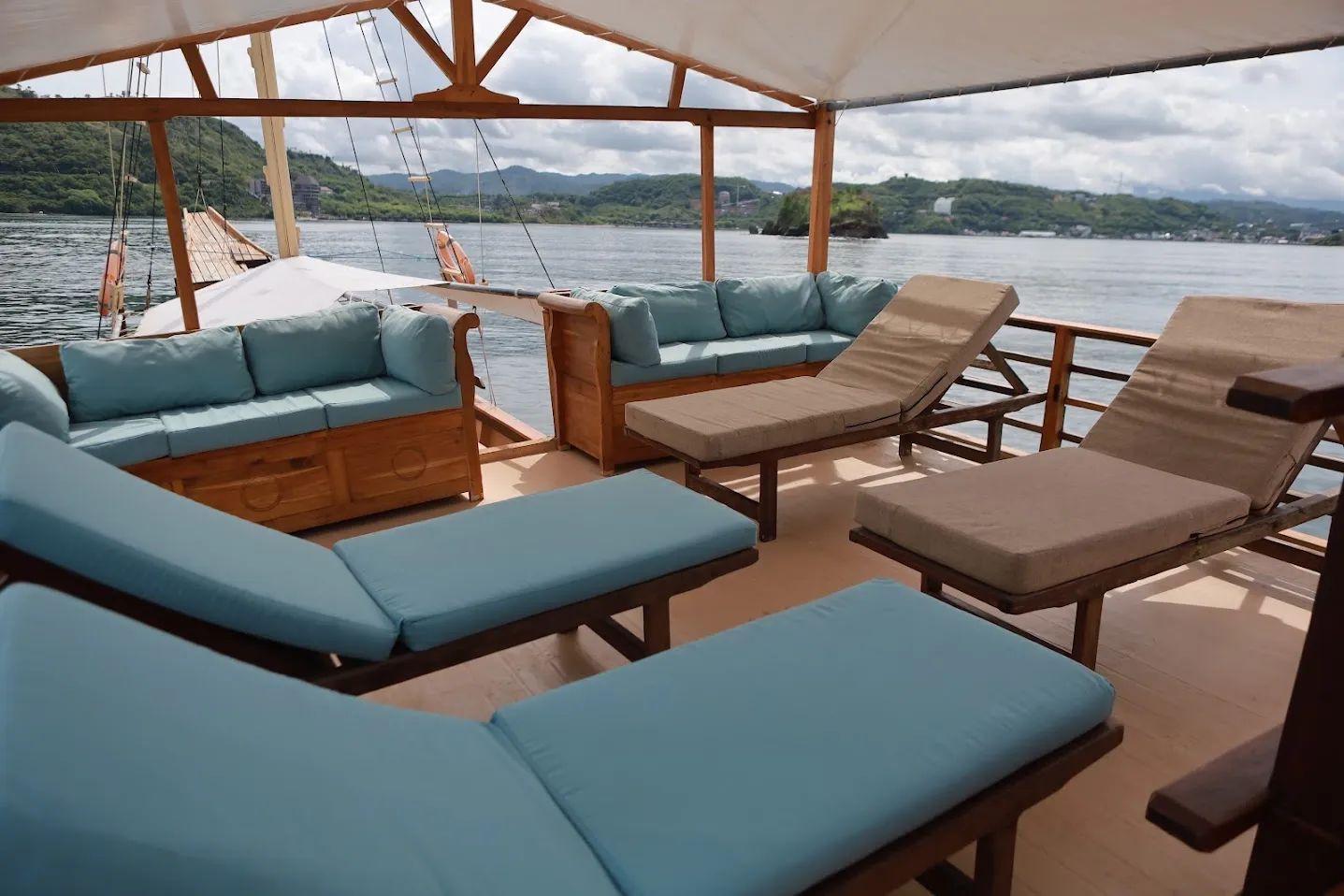
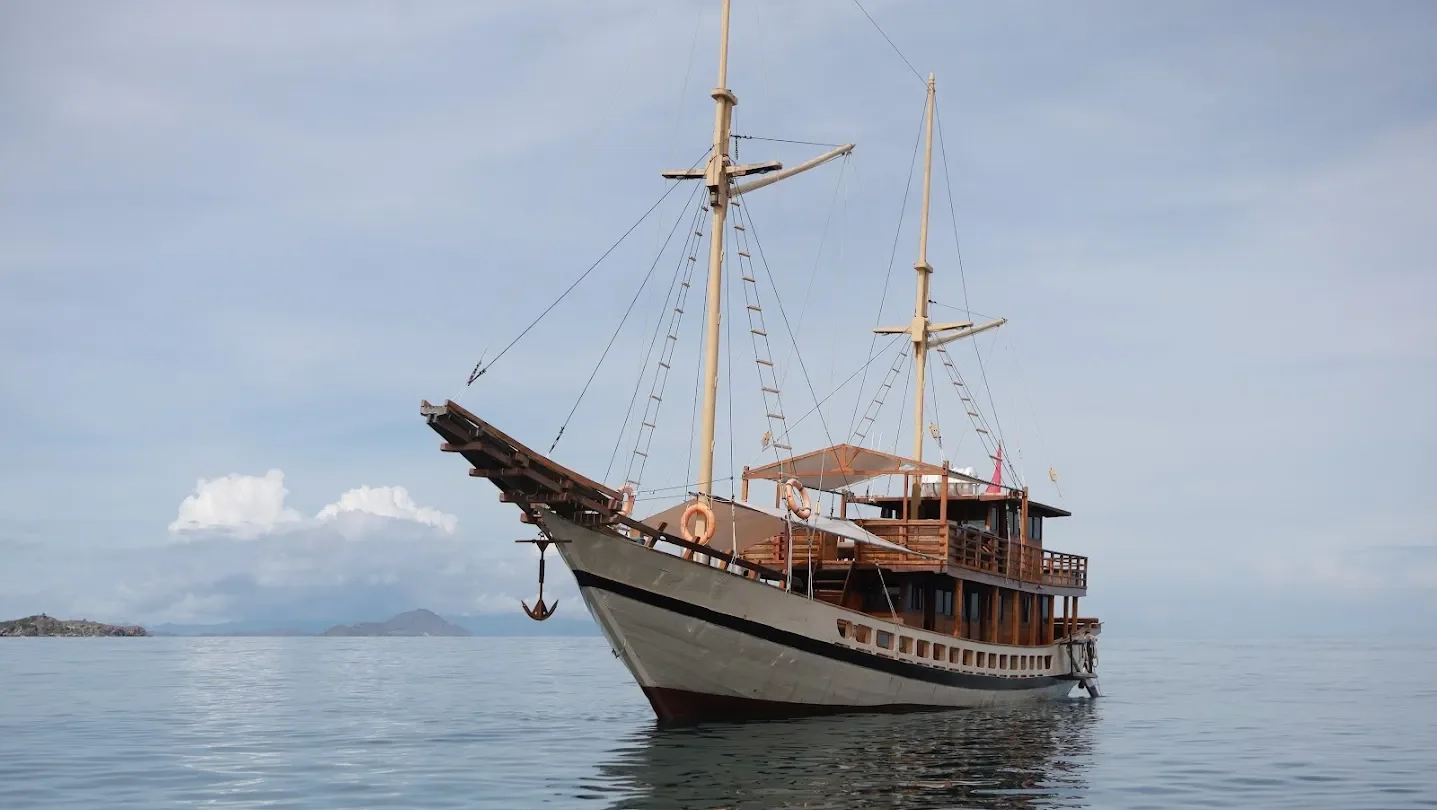
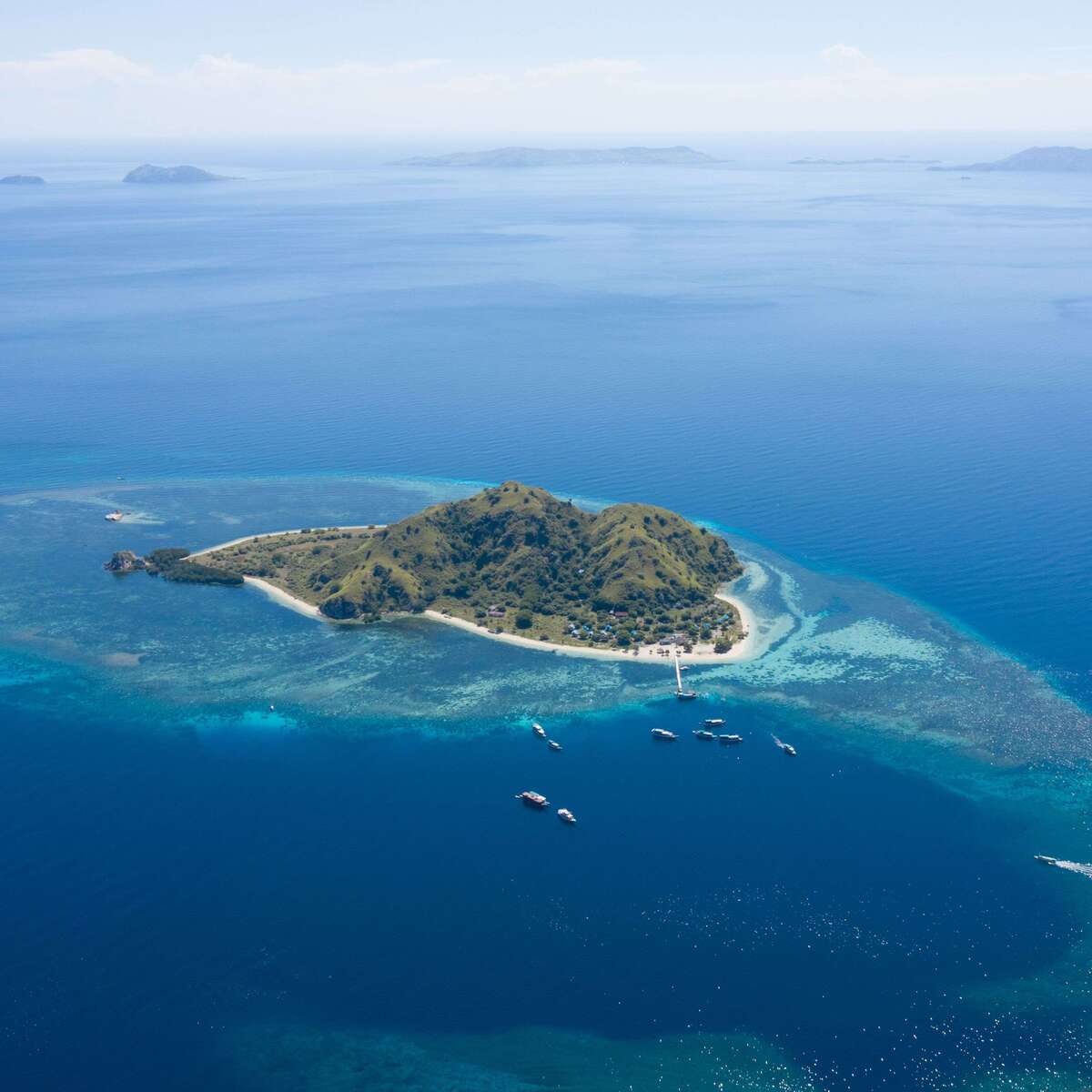


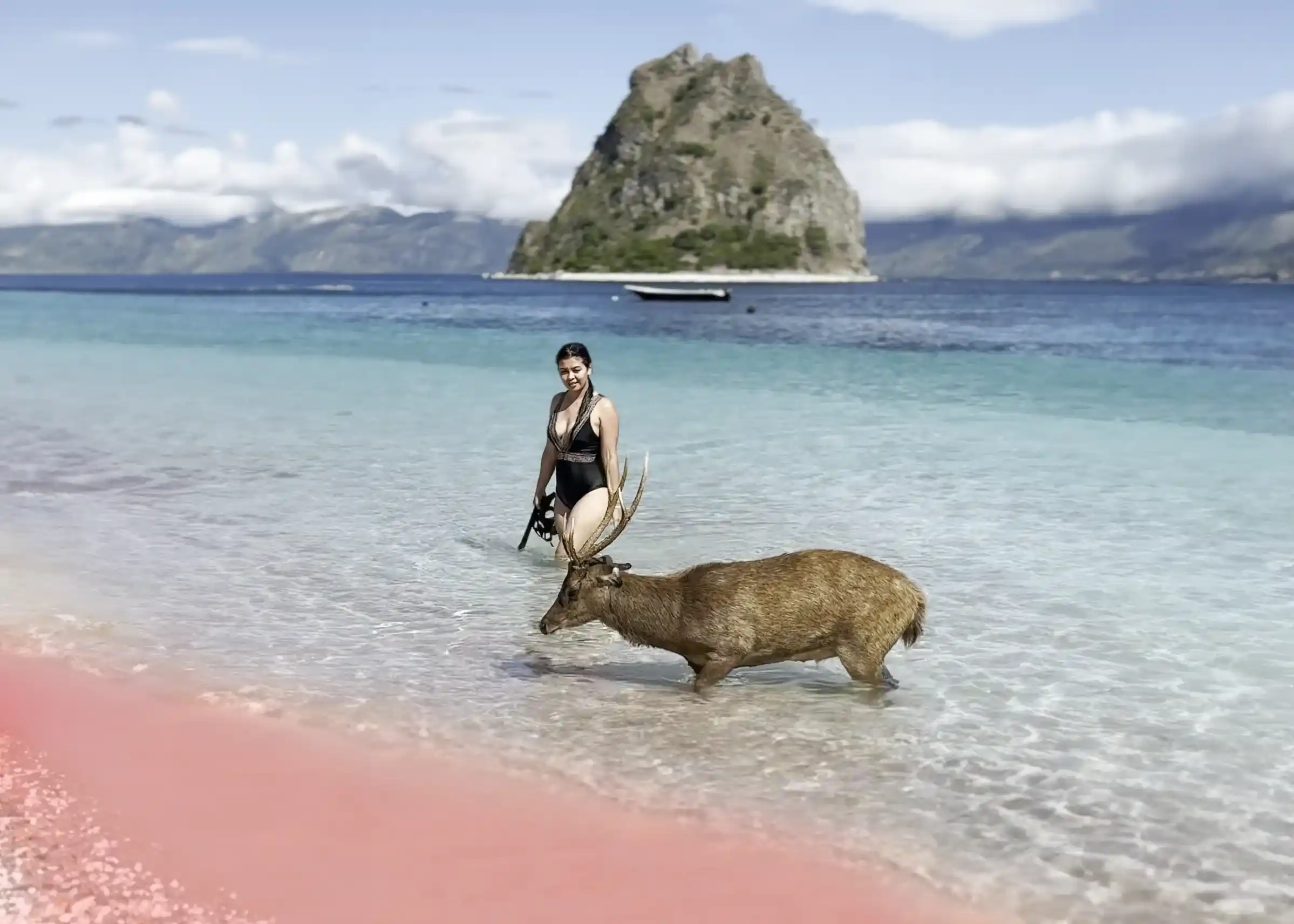
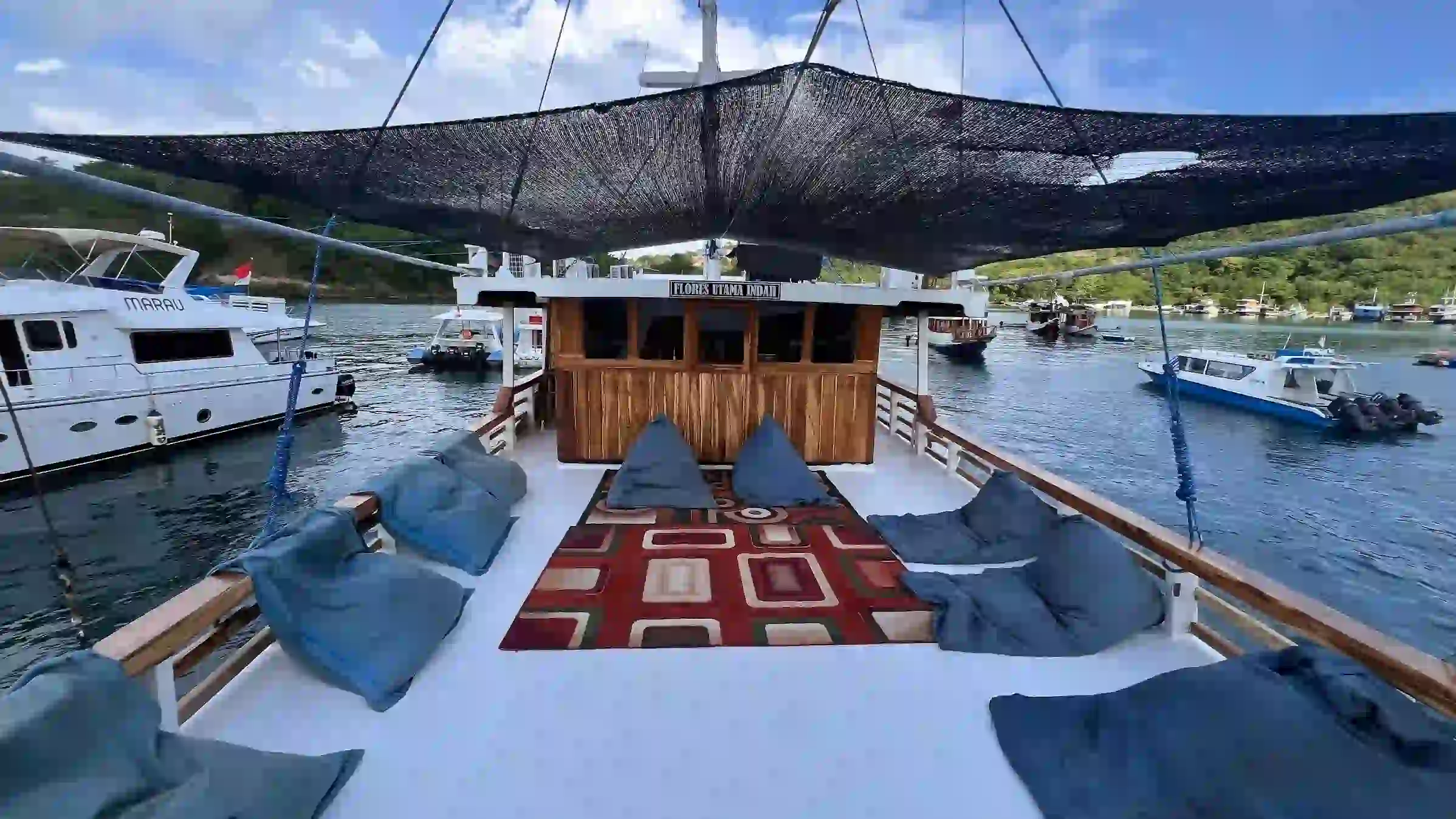
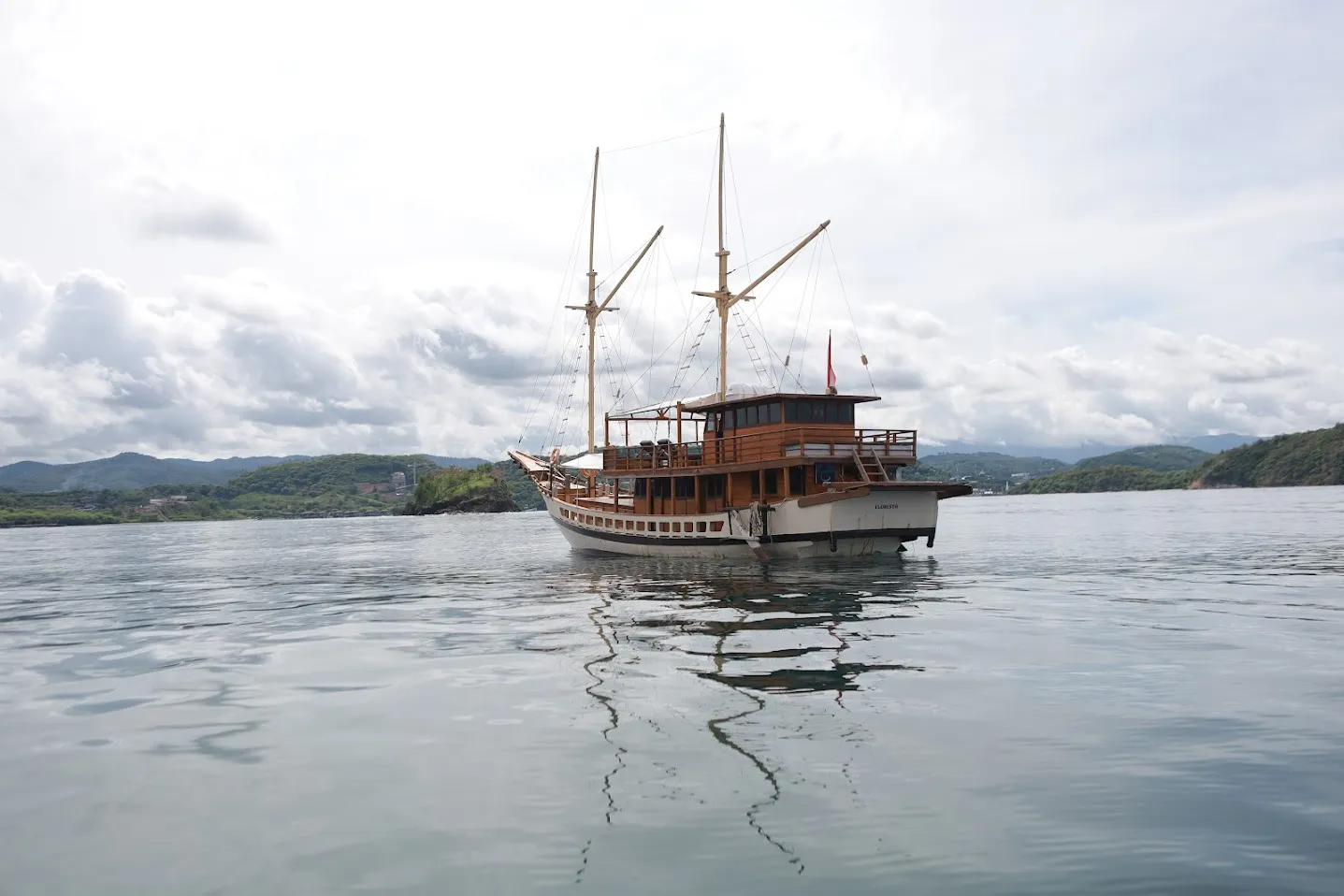
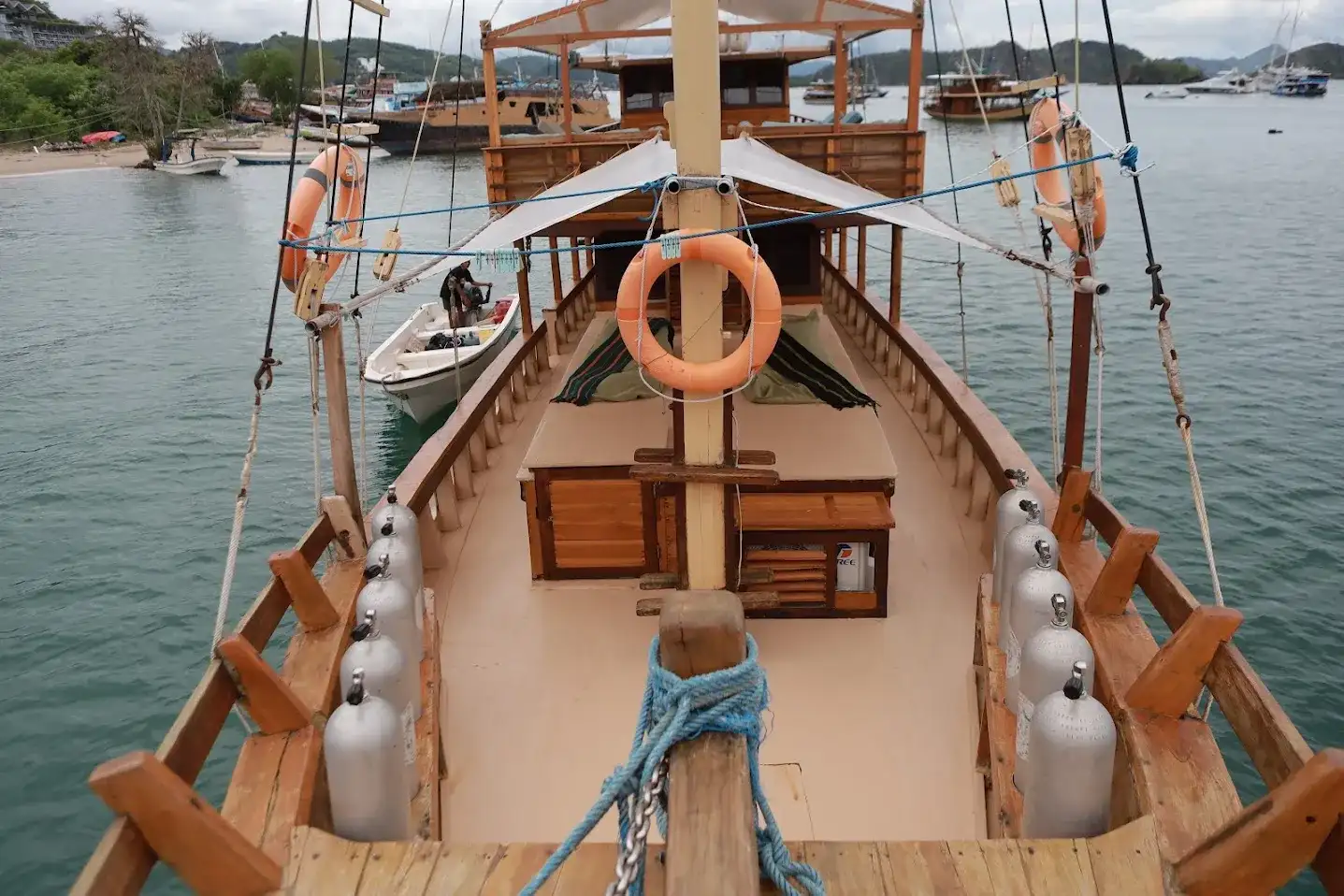
Photography from our own Komodo Luxury fleet and charters across the archipelago.
Answer-First FAQ
Frequently asked questions
Labuan Bajo is known as the primary jumping-off point for Komodo National Park, with its dragons, manta rays, and rich coral reefs. The town itself is recognized for its bay views, rapidly developing harborfront, and role as a staging area for liveaboards, day boats, and overland trips across Flores island.
From Komodo Airport, the harbor is about 3–5 km away, generally a 10–15 minute drive. Taxis and private cars wait outside arrivals, with fares often ranging from IDR 50,000 to 100,000 as of August 2026. Many liveaboards also arrange pre-booked transfers that take you directly from the terminal to the exact jetty.
Stay at Labuan Bajo hotels near harbor for liveaboard departure to minimize transfer time and simplify luggage handling. Options include waterfront guesthouses, mid-range harbor-view hotels, and higher-end properties with private jetties. Prioritize early breakfast, 24-hour reception, and reliable airport pickup if you have a morning or midday boarding schedule.
On land, Labuan Bajo offers cave and waterfall excursions such as Rangko Cave and Cunca Wulang or Cunca Rami, plus sunset viewpoints over the bay. You can arrange short trips to nearby beaches, visit local markets, or, with more time, start an overland Flores journey to Ruteng, Bajawa, Kelimutu, and Maumere after your cruise.
Komodo National Park’s marine area begins roughly an hour by boat from Labuan Bajo, depending on sea conditions and your vessel’s speed. Popular islands like Kelor or Rinca are often reached in 1–2 hours, while more distant dive sites toward the park’s north or south may take 3–4 hours of sailing time.To plan a Labuan Bajo liveaboard, a Bali to Labuan Bajo cruise, or combine Komodo with Raja Ampat and other raja ampat destinations, contact the Komodo Luxury desk via WhatsApp 628113823875 or email sales@komodoluxury.com for tailored route and vessel options.Book this route — Operated by Komodo Luxury
Tell us your month
We’ll ladder the routes — quote within office hours
Fastest is WhatsApp — a real charter desk, not a bot. Or send the short form and we reply by email with windows, vessels and an itemised fare plank for your month.