
Family-Friendly Bali–Komodo Liveaboard Trips
Family Friendly Bali Komodo Liveaboard trips typically run 7–10 nights, use child-safe snorkeling sites
Overview
Family Friendly Bali Komodo Liveaboard trips typically run 7–10 nights, use child-safe snorkeling sites, and can offer up to 30–50% child discounts on Komodo liveaboard berths (as of August 2026). Guests fly Bali (DPS) to Labuan Bajo in about 1h15m and board there; itineraries combine calm bays with optional advanced dives for experienced adults.
01
How is a Family Friendly Bali Komodo Liveaboard itinerary planned so kids stay safe and engaged?
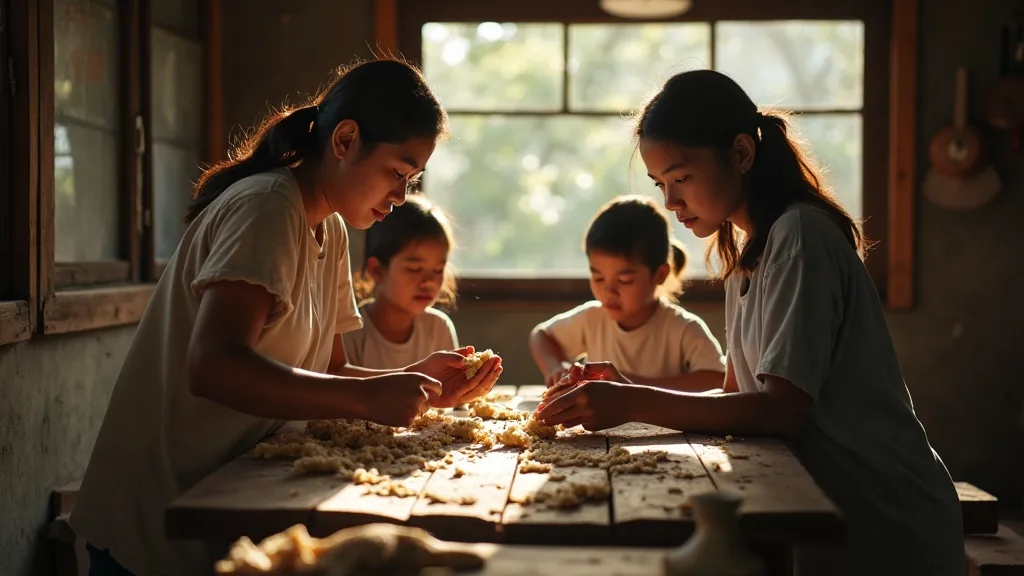
Family educational itineraries in Komodo are built around gentler sites, short sailing hops, and clear routines. On Bali–Komodo expeditions of 7–10 nights, calmer bays in the Flores Sea are chosen for snorkeling, while advanced sites such as Batu Bolong, Castle Rock, and Manta Point are kept for capable adults or supervised older teens. Peak dry season from May to September usually offers more predictable surface conditions.Daily schedules are structured: morning wildlife briefings with maps of Komodo National Park, late-morning water time, and afternoon walks or onboard workshops. Simple marine biology activities – plankton viewing at night, fish ID games, and talks about water quality testing on liveaboards – help younger guests connect the experience to school subjects. Clear rules around entry permits and marine reserve fees also give older children a real-world view of conservation management in Indonesia.For multi destination Indonesia with Komodo plans, some families link a Bali–Komodo cruise with a few days in Labuan Bajo or central Flores afterwards, or fly back via Denpasar’s Ngurah Rai International Airport (DPS) to connect onward, keeping total travel time manageable for children.
02
What makes the cabins and onboard spaces suitable for young children and light sleepers?
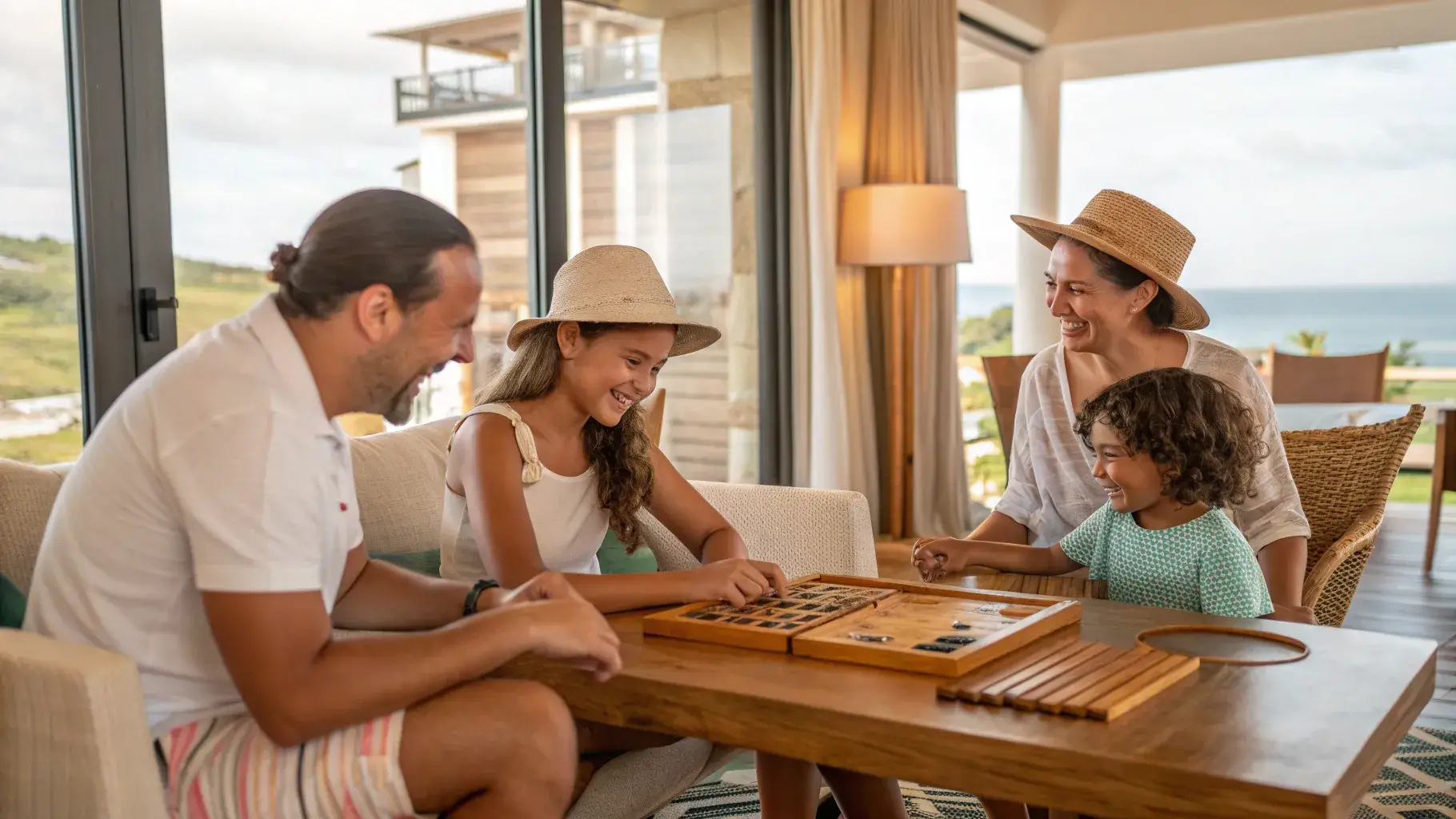
On a family friendly vessel, cabin layout and construction matter just as much as the route. Boats based on traditional wooden phinisi designs undergo annual maintenance for wooden phinisi hulls and superstructures, typically in local yards after the main Komodo season (October–November). During this period, many operators review soundproofing cabins on liveaboard decks to reduce noise from engines and air compressors – a key comfort point for families with napping toddlers and light sleepers.Good air circulation in liveaboard cabins is another priority in the tropics. Ventilation grilles, quiet fans, and independent air-conditioning zones help keep shared family cabins comfortable without overcooling babies and grandparents. Safety gates on stairwells, non-slip flooring, and clear “no-go” areas on deck are standard measures that make moving around safer for kids.Common spaces are set up for quiet play, reading, and craft time between activities. Dedicated charging station on Komodo liveaboard tables allow families to safely charge tablets, cameras, and baby monitors in one controlled spot, instead of running loose extension cords through bunks. Early dinners and flexible bedtimes are usually easy to arrange on private charters or semi-charters.
03
Which water activities are appropriate for different ages and experience levels?
Family departures separate gentle snorkeling and beach time from more challenging diving. Younger children usually start in sheltered bays with coral gardens and minimal current; the crew stays close with float lines and life jackets. For qualified adults and advanced teens, the same trip can double as a komodo liveaboard for drift diving practice at sites with stronger water movement.Strong currents typical of Komodo mean techniques like line descents in strong Komodo currents are practiced only with certified divers under guide supervision. In busy areas, extra surface support is added so family members not diving can watch safely from the boat. Optional fluoro diving on Komodo liveaboard nights is reserved for adults and older teens who are comfortable in the water and understand the additional procedures and equipment.Snorkel-only guests at manta sites are briefed carefully about approach distances and light pollution concerns near manta sites, especially for any night or dusk sessions. Many operators limit artificial lighting and ask guests to dim screens on deck so plankton and mantas behave more naturally. Clear rules help children learn respectful wildlife viewing habits from the start.
04
How are learning, family bonding, and even teambuilding built into the cruise?
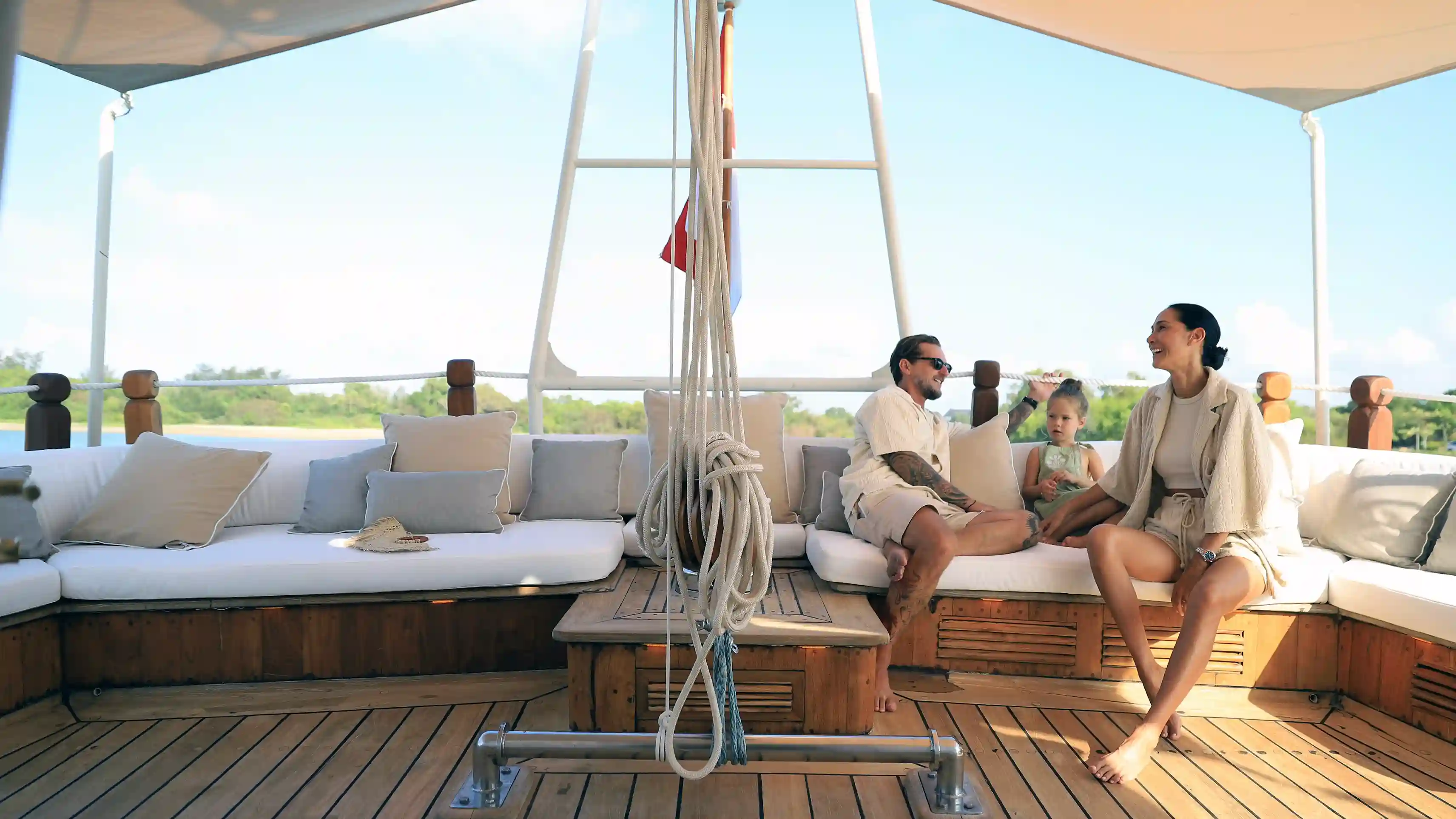
Bali–Komodo trips are popular for multi-generational families who want more than just sightseeing. Structured family educational itineraries in Komodo can include sessions on coral ecology, plastic reduction, and Indonesian maritime history, tied to real locations visited across Komodo National Park. Simple field notebooks, fish identification charts, and stargazing on clear dry-season nights turn the voyage into a floating classroom.On private charters, some groups also request light teambuilding activities on liveaboard decks – scavenger hunts, navigation challenges, or cooking sessions using local ingredients bought in small ports. These are adapted for mixed ages, so grandparents, parents, and children can all join. Cooperative tasks like plotting the ship’s position or reading tide charts help older kids build confidence.For older teens considering marine careers, certain routes may align with a Bali Komodo liveaboard divemaster internship timeline, allowing them to log supervised training dives while the rest of the family enjoys more relaxed activities. Clear boundaries are set so internship duties never compromise family safety or downtime, and training dives stay within agreed comfort zones.
05
How is comfort managed on long Bali–Komodo crossings for kids who worry about seasickness?
Guests reach the boat by air — Bali (DPS) to Labuan Bajo takes about 1h15m — but sailing days inside and around the park are real sea time, not a short ferry hop. This is why seasickness on Bali Komodo liveaboard trips is a common concern for parents. Season choice matters: May–September typically brings calmer seas in the Flores Sea compared with November–March.Standard seasickness on Bali Komodo liveaboard tips include booking mid-ship cabins low in the hull, traveling during dry season, and starting children on doctor-approved medication before the first long crossing. Crews often adjust meal timing and offer light snacks like crackers and fruit on big-transit days. Fresh air on shaded decks, the ability to lie flat, and clear communication about the next motion forecast help anxious younger guests feel more secure.Boarding logistics are simplified too. Many operators help arrange the hotel-to-airport transfer in Bali and the 15-minute airport-to-jetty transfer in Labuan Bajo, reducing early-morning stress. On the operational side, routine water quality testing on liveaboards is used to monitor tanks and onboard freshwater systems, which is particularly important for families mixing formula or preparing simple foods for small children.

06
How does pricing, discounts, and booking for Family Friendly Bali Komodo Liveaboard work?
As of August 2026, Family Friendly Bali Komodo Liveaboard cruises typically fall within the broader Bali–Komodo price range of around US$900 for a shared-cabin budget option up to US$4,000+ per person for a luxury suite, depending on season, vessel, and whether the trip is one-way or round-trip. Private family charters usually sit at the mid to upper end of this range.Many boats apply child discounts on Komodo liveaboard berths, often between 20–50% for under-12s sharing with parents, and sometimes 10–25% for teens, but exact figures depend on cabin type and trip date. To compare offers across different itineraries and comfort levels, families can review Bali Komodo Dive Liveaboard Packages that specify cabin categories, inclusions, and any minimum-age restrictions.Direct communication with the booking desk helps align educational goals, swimming ability, and cabin needs before paying deposits. For those comparing channels, resources such as Direct Booking Versus OTAs For Komodo Liveaboards In 2027 provide context on how inclusions, payment flexibility, and on-the-spot family adjustments may vary by booking route.
- Typical duration: 7–10 nights Bali–Komodo expedition including 1–2 long transit legs.
- Boarding point: Labuan Bajo jetty, about 15 minutes from Komodo Airport (LBJ).
- Permits required: Komodo National Park entry and applicable marine reserve fee (payable onboard or before departure).
- Peak operating season for family trips: April–October, with May–September generally calmer at sea.
- Onboard facilities often include a supervised charging station and dedicated camera rinse area.
- Annual maintenance for wooden phinisi hulls typically carried out post-season (Oct–Nov) in local yards.
- Transfer options commonly available from major South Bali areas to the airport, with pickup again at Komodo Airport (LBJ).
In these waters
Family-Friendly Bali–Komodo Liveaboard Trips
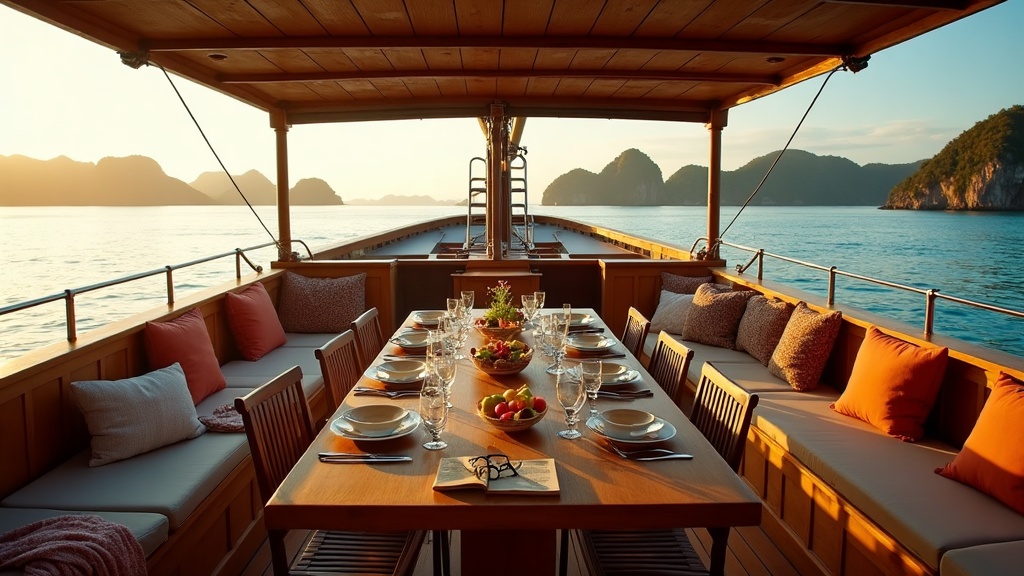
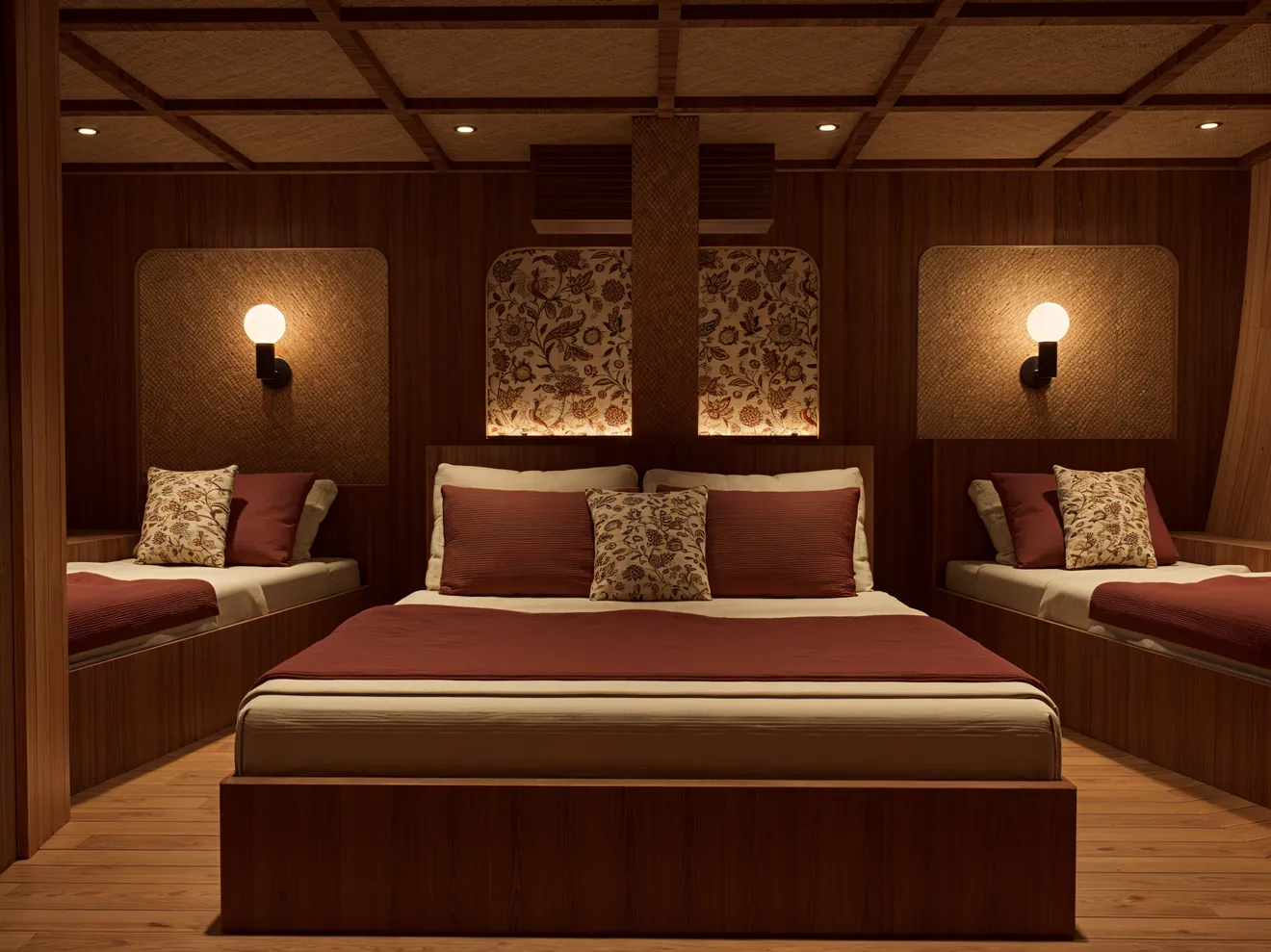
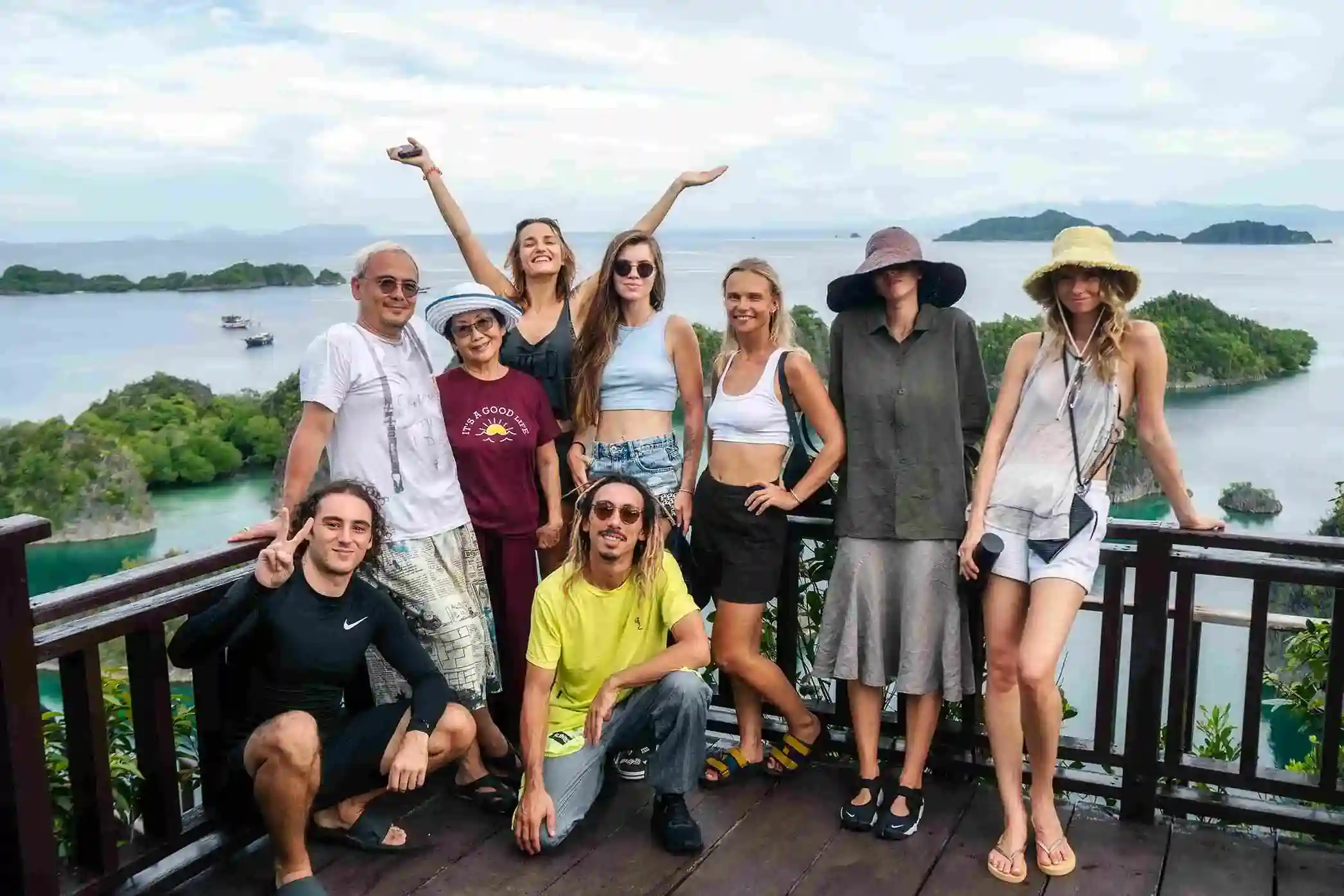
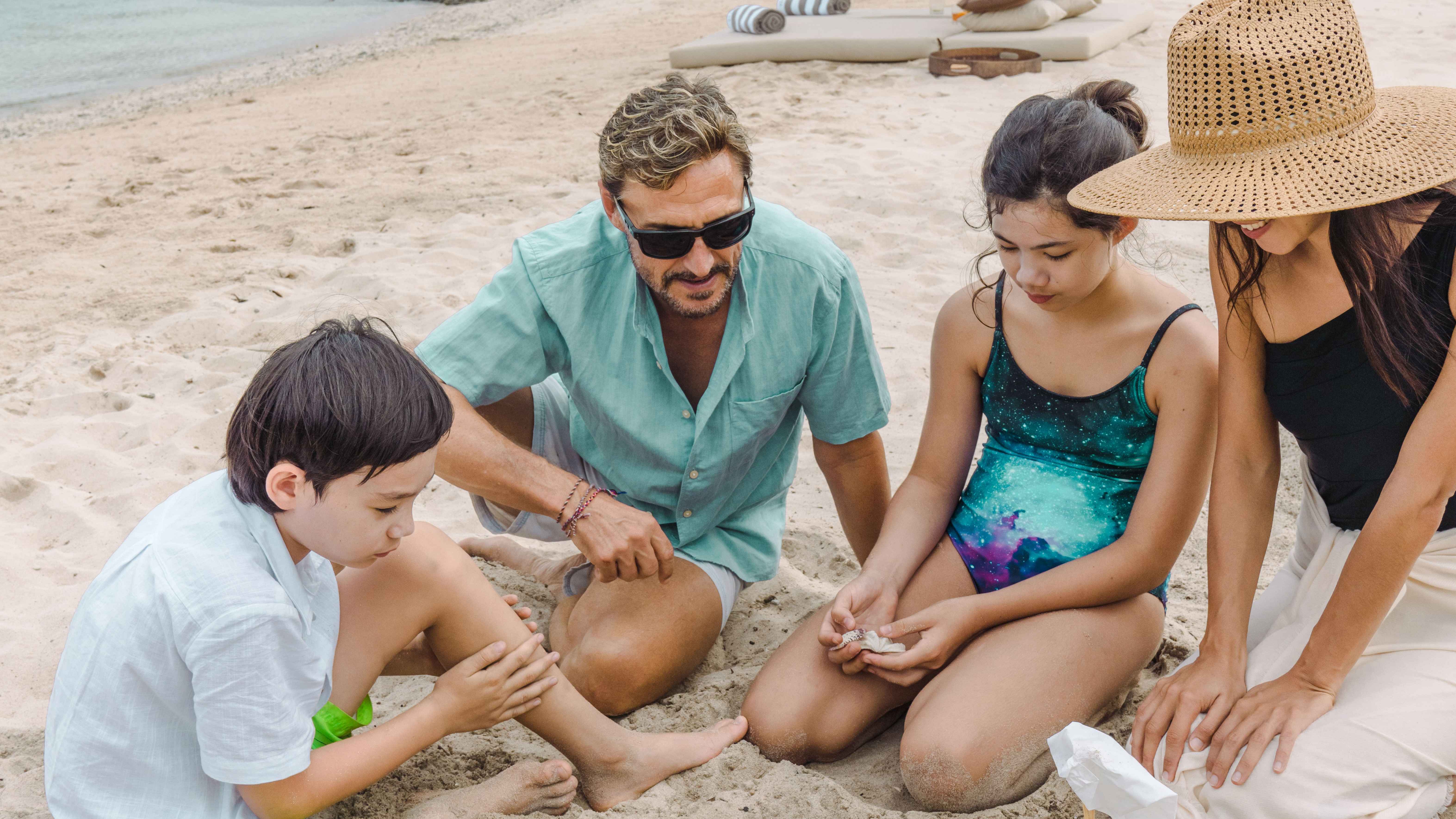
Photography from our own Komodo Luxury fleet and charters across the archipelago.
Answer-First FAQ
Frequently asked questions
As of August 2026, a Family Friendly Bali Komodo Liveaboard generally ranges from about US$900 per person in a budget shared cabin to US$4,000+ per person in a high-end suite. Prices depend on vessel standard, trip length, cabin type, and whether you charter the boat privately for your family group.
For families who enjoy the ocean and want shared experiences instead of separate day trips, these cruises are often considered worthwhile. You gain access to remote bays, manta encounters, and guided island walks in Komodo National Park, combined with structured learning and flexible cabin setups that keep several generations comfortable on the same itinerary.
Inclusions usually cover cabin accommodation, meals, snacks, drinking water, guided snorkeling and diving, basic gear rental, and Komodo National Park logistics such as park entry and marine reserve fees. Some operators add airport or hotel transfers, for example a Nusa Dua to airport shuttle in Bali, while premium options may include Wi‑Fi or onboard fluoro diving sessions.
Planning can be supported by trip-planning apps and operator tools that show sample routes, cabin layouts, and seasonal notes. Resources like Using The Siora App For Komodo Liveaboards In 2027 illustrate how digital maps, tide charts, and messaging features help families understand conditions, coordinate activities, and track multi destination Indonesia with Komodo plans more easily.
Yes, many itineraries are designed so beginners snorkel or join easy dives in sheltered spots while advanced divers tackle drift sites or practice line descents in strong Komodo currents. Grouping by experience level, adding extra guides, and using clear briefings allow one voyage to balance relaxed family time with serious training or even structured divemaster internships.To discuss dates, cabin layouts, and specific family needs, contact the BD desk at Juara Holding Group via WhatsApp 628113823875 or email sales@komodoluxury.com, or explore current Bali Komodo Dive Liveaboard Packages for a tailored family quote.Book this route — Operated by Komodo Luxury
Tell us your month
We’ll ladder the routes — quote within office hours
Fastest is WhatsApp — a real charter desk, not a bot. Or send the short form and we reply by email with windows, vessels and an itemised fare plank for your month.