
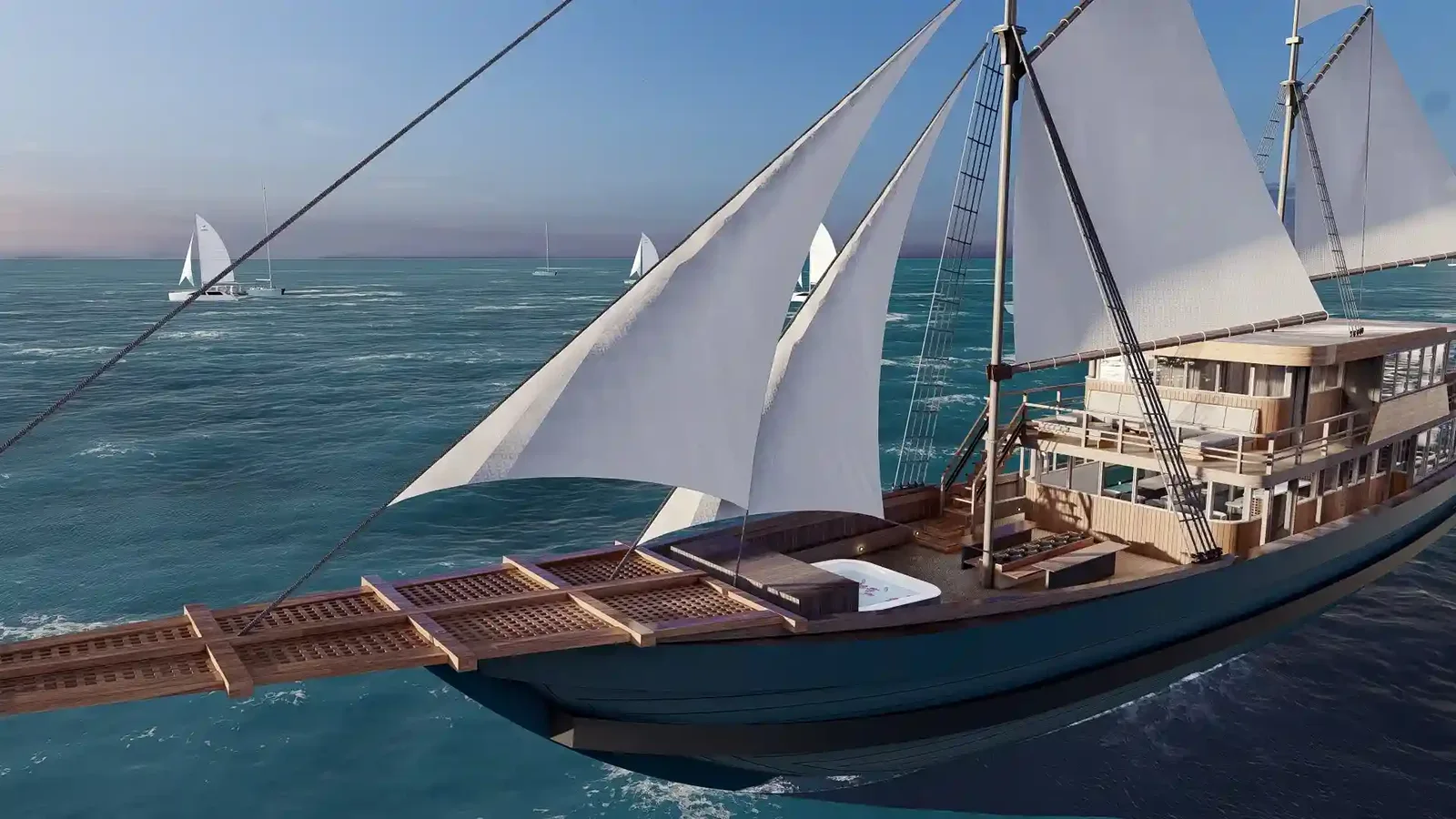
Investor Outlook: Bali–Komodo Fleets 2027
Investor Outlook For Bali Komodo Liveaboard Fleets In 2027 is cautiously positive: average occupancy is projected in the 70–82% range in peak season, with bali komodo liveaboard ROI projection typically 8–14% annually for efficiently run boats. The main headwinds are rising fuel, higher insurance underwriting for liveaboard risks, and accelerating fleet consolidation among komodo operators.
What occupancy and yield can investors realistically expect on Bali–Komodo liveaboards in 2027?
For 7–10 night Bali–Komodo itineraries boarding in Labuan Bajo, forward bookings suggest peak-season (April–October) occupancy averaging 75–85% in 2027, with shoulder months closer to 55–65%. These numbers are based on dry-season demand trends observed through August 2026 and the limited capacity on top rated bali komodo liveaboard boats.
Yield is constrained by a broad price band. As of August 2026, published retail rates for Bali–Komodo routes run roughly from US$900 per person for shared-cabin budget options up to US$4,000+ for luxury suites. Discounting of 10–20% remains common outside July–August and major holiday weeks. Net cabin yields are strongest on 7-night itineraries, which balance price acceptance and fuel exposure on the 24–30 hour Phinisi transits.
Investors should model 60–65% annualized occupancy as a base case across all departures, with upside if distribution is diversified beyond a single market. Tight control of costs such as fuel, port fees, and Komodo National Park entry and marine reserve fee charges is essential to keep per-berth profitability stable as competition intensifies.
How strong is the bali komodo liveaboard ROI projection versus the operational risks?
Bali–Komodo fleets remain capital intensive. Hulls, guest fit-out, tender boats used on komodo liveaboard trips, compressors, and water makers on komodo liveaboard boats collectively drive high upfront capex. For 2027, stabilized bali komodo liveaboard ROI projection in the 8–14% annual range is realistic for professionally managed vessels, assuming normal dry-dock cycles and no major hull incidents.
Risk is concentrated in weather, mechanical reliability, and regulatory shifts. The May–September window usually has calmer seas between Bali and Komodo, whereas November–March is more exposed to rougher conditions and weather-driven cancellations. Extended downtime during those months quickly erodes returns if fixed financing costs are high.
Insurance underwriting for liveaboard risks has tightened since 2022, especially around liability for dive incidents and search-and-rescue operations near sites like Batu Bolong, Manta Point, and Castle Rock. As of August 2026, underwriters typically scrutinize crew training records, environmental impact assessments for fleets, and incident histories more closely, which can increase premiums or impose higher deductibles. Pricing those risk-adjusted costs into ROI models is critical for investors entering the segment in 2027.
Are fleets heading toward consolidation, and what does that mean for investors’ entry and exit options?
Fleet consolidation among komodo operators has accelerated since 2024, as smaller single-boat owners struggle with marketing costs, digital distribution, and compliance. Several investor exits from liveaboard market positions in 2025–2026 involved distressed asset sales, often where engines or interiors needed heavy reinvestment before being deployable on Bali–Komodo routes again.
For 2027, this consolidation trend likely continues, creating a barbell market: lean, well-branded fleets on one side and aging, price-driven boats on the other. The mid-range is thinning, which presents opportunities for investors who can reposition assets into clearer value segments—either quality-conscious adventure or entry-level yet safe and compliant operations.
Exit strategies are evolving. Instead of selling to first-time captains, sellers more often transact with established fleets or financial investors seeking scale. Environmental impact assessments for fleets and documented maintenance schedules increasingly influence valuations because they reduce perceived compliance and downtime risk. Having clear historic P&L, tax filings, and class/insurance documentation in order as of August 2026 typically shortens the exit timeline and supports higher multiples.
How do small versus large Komodo liveaboard boats compare in risk, guest experience, and returns?
Investors often compare small vs large komodo liveaboard boats before choosing a platform. Smaller vessels (6–10 guests) offer higher-touch service and flexible routing during Bali–Komodo expeditions but can be vulnerable to single charter cancellations. Larger boats (14–20+ guests) smooth demand swings yet require stronger marketing and more complex crewing structures.
Guest experience differs as well. Divers on small boats typically enjoy quicker gearing up and personalized dive planning, including more controlled back roll entries from tender boats at busy pinnacles. Larger vessels can support multiple tenders and guides, facilitating parallel briefings and staggered entries, but they must manage higher expectations around wifi on bali komodo liveaboard boats, cabin categories, and public spaces.
From an investment perspective, smaller hulls may deliver higher percentage ROI but are less liquid on resale. Larger, newer boats with consistent documentation, audited capacity, and compliant waste handling on komodo liveaboard boats are often more attractive to institutional buyers, especially if they already operate in related segments such as Family Friendly Bali Komodo Liveaboard products.
What operational standards and guest expectations will influence profitability in 2027?
Operational standards strongly affect both reputation and cost structure. Complaints about cheap komodo liveaboard boats frequently focus on basic issues: unreliable air-conditioning, irregular hot water, weak wifi on bali komodo liveaboard boats, and unclear smoking policy on komodo liveaboard boats. Rectifying these after launch is more expensive than incorporating them into initial boat design and SOPs.
Waste handling on komodo liveaboard boats is increasingly scrutinized by guests, park authorities, and insurers. Modern vessels are moving toward gray-water containment, responsible black water discharge, and careful solid waste sorting and offloading at approved facilities around Labuan Bajo. Proper handling reduces reputational risk and aligns with environmental impact assessments for fleets demanded by some partners as of August 2026.
Freshwater production is another key standard: sufficient water makers on komodo liveaboard boats reduce resupply stops and support higher-priced cabin categories. Clear information about the currency used on komodo liveaboard boats—typically US dollars or Indonesian rupiah for onboard bills—and transparent inclusions also reduce billing disputes that can damage online reviews and repeat bookings.
How should investors plan around pricing, taxes, and access for Bali–Komodo liveaboards in 2027?
As of August 2026, retail pricing for Bali–Komodo liveaboards ranges from roughly US$900 for basic shared cabins up to US$4,000+ for high-end suites on top rated bali komodo liveaboard boats. Sustainable 2027 pricing should factor continued pressure from fuel prices, crew wages, and park/port fees, balanced against travelers’ willingness to pay for higher safety and comfort.
Tax considerations for liveaboard companies require careful local advice. Typical components include corporate income tax on Indonesian-sourced profits, employee-related taxes, and indirect taxes on services. Boat ownership structures, charters, and booking flows between Bali and Labuan Bajo can each affect the effective rate. Consistent documentation supports both tax compliance and cleaner exits.
Capacity planning should align with airlift into Bali and Labuan Bajo. Coordinating with airline schedules and new routes outlined in resources such as 2027 Flight And Access Planning Bali To Labuan Bajo For Liveaboards will help secure better occupancy. Integrated products, like those described in Combining Bali Resorts With Komodo Liveaboards On One Invoice By 2027, can extend guest stays and increase average revenue per booking.
- Typical Bali–Komodo expeditions run 7–10 nights, with a roughly 1h15m DPS–Labuan Bajo flight connecting Bali to the boarding point at the gateway to Komodo National Park.
- As of August 2026, retail guest prices span roughly US$900–US$4,000+ per person depending on cabin type and service level.
- Peak demand months are May–September, with July–August particularly strong; November–March has higher weather-related disruption risk.
- Standard assets include at least one dive tender, compressors, water makers, and documented procedures for waste handling on komodo liveaboard boats.
- Underwriters assess safety (tenders, dive protocols, back roll entries from tender boats) and environmental practices before quoting premiums.
- Most onboard spending uses US dollars or Indonesian rupiah as the primary currency used on komodo liveaboard boats for bar, rental, and park fees.
- Exit-ready fleets keep full maintenance logs, tax filings, and environmental impact assessments for fleets to support investor due diligence.
Frequently asked questions
how much does Investor Outlook For Bali Komodo Liveaboard Fleets In 2027 cost in Bali?
From an investor’s perspective, acquiring or building a Bali–Komodo liveaboard typically requires capital from low six figures into several million US dollars, depending on size, age, and specification. On the revenue side, guest pricing for Bali–Komodo itineraries as of August 2026 runs roughly US$900–US$4,000+ per person per trip.
is Investor Outlook For Bali Komodo Liveaboard Fleets In 2027 worth it in Bali?
The segment can be worthwhile if approached professionally. With occupancy in peak months often 75–85% and bali komodo liveaboard ROI projection around 8–14% for efficient operators, investors with strong safety, compliance, and marketing systems in place can find attractive risk-adjusted returns, particularly on well-maintained, mid-to-upper tier vessels.
what is included in Investor Outlook For Bali Komodo Liveaboard Fleets In 2027?
An investment-focused outlook covers projected occupancy, cabin yields, capex and maintenance needs, regulatory exposure, and the impact of fleet consolidation among komodo operators. It also evaluates insurance underwriting for liveaboard risks, environmental and tax considerations, and resale or investor exits from liveaboard market positions over the expected holding period.
How do guest policies like smoking, wifi, and currency affect investment outcomes?
Clear, enforced smoking policy on komodo liveaboard boats, reliable wifi on bali komodo liveaboard boats, and transparent information about currency used on komodo liveaboard boats reduce disputes and online complaints. Smoother guest experiences translate into better reviews, higher repeat and referral booking, and ultimately stronger occupancy and pricing power across the fleet.
Where can I see current price benchmarks per guest for Bali–Komodo trips?
To benchmark current guest-facing prices and align investment models with market reality, review the latest ranges on the dedicated pricing overview at Bali Komodo Liveaboard Price Per Person. These figures, combined with your projected occupancy and cost assumptions, provide a more grounded basis for ROI calculations.
To discuss specific Bali–Komodo fleet scenarios, projected returns, or potential acquisitions under the Juara Holding Group umbrella (part of Juara Holding Group — since 2015), contact the BD desk via WhatsApp 628113823875 or email sales@komodoluxury.com.
Last updated 1 August 2026