What’s Next For Komodo Conservation After 2027
Komodo conservation policies after 2027 will likely tighten around visitor caps, zoning, and safety, with more digital permits and stricter operator standards. Expect potential daily limits around high-pressure sites like Batu Bolong, stronger rules for waste and fuels, and closer monitoring of liveaboard routes between Bali, Flores, and Komodo National Park.
How might park zoning and site access rules change after 2027?
By 2027, current management plans for Komodo National Park will be due for review, and most observers expect a shift to finer-grained zoning. Instead of broad dive areas, more sites such as Batu Bolong, Castle Rock, and Manta Point may receive individual daily visitor or boat caps, particularly in the April–October dry-season peak.
Evidence for this direction already exists: during high-demand months like July–August 2024, park authorities experimented with limits on simultaneous boats at certain manta cleaning stations to reduce crowding. A next step after 2027 could be digital time-slot bookings per mooring, similar to systems adopted in parts of the Coral Triangle, with vessels pre-registering each site during their 7–10 night Bali–Komodo itinerary.
Stricter zoning could also differentiate between liveaboards crossing over from Kayangan Harbor in Lombok and day boats based in Labuan Bajo, especially during rougher November–March conditions when route changes are more common. For guests, that may translate into more structured schedules, earlier cut-offs for flexible date policies on Komodo liveaboards, and stronger incentives to travel outside the absolute peak weeks when caps are most restrictive.
Will liveaboard safety and training standards be pushed higher?
Several regional incidents between 2019 and 2025 led to a clear focus on safety, incident response, and reputation repair after incidents offshore. After 2027, regulators are likely to move beyond voluntary guidelines and require more formal drills, training logbooks, and clearer reporting procedures for all Bali–Komodo operators.
Topics such as man overboard drills on Komodo liveaboard trips already receive much more attention in training courses, with some fleets conducting documented practice at least once per itinerary as of August 2026. The trend is toward integrating these into broader safety management systems that cover dive briefings, tender handling, and emergency evacuation pathways to hyperbaric chamber access near Komodo, typically routed via Labuan Bajo or Bali’s Ngurah Rai International Airport (DPS).
Expect greater emphasis on formal qualifications, with resources like regional guidance on Crew Training And Certification For Indonesian Liveaboards By 2027 shaping what becomes the practical minimum standard. This affects not only new teams starting a liveaboard company in Bali, but also existing vessels that wish to maintain access to premium moorings and permits in Komodo National Park once tighter post-2027 rules arrive.
How will conservation goals influence guest experience and amenities onboard?
Stronger conservation priorities do not stop at park boundaries; they increasingly shape life onboard. After 2027, guests can expect more structured guest education on conservation onboard, not as optional evening talks but as standard program elements integrated with dive briefings and snorkeling orientations.
Practical topics may include reef-safe behavior at Batu Bolong, manta approach protocols at Manta Point, and guidance for visiting Flores after Komodo liveaboard voyages without adding plastic waste or wildlife disturbance. Conservation messaging is also likely to cover choices many travelers ask about, such as whether they can bring your own wine on Komodo liveaboard itineraries and how onboard recycling or glass management is handled to reduce landfill pressure in small ports.
At the same time, comfort elements—mattress quality on Komodo liveaboard cabins, climate control, and wheelchair access on Komodo liveaboards—are increasingly seen as part of sustainable tourism. The logic is simple: better rest and accessibility reduce fatigue-related errors and expand the range of guests who can participate in conservation-focused trips responsibly. By aligning comfort, safety, and education, operators can meet higher environmental standards while still delivering an enjoyable voyage from Labuan Bajo.
Could access, pricing, and co-ownership models shift for Bali–Komodo routes?
If park fees or entry limits rise after 2027, financial and access models may evolve. Liveaboard trips already range from around US$900 for shared-cabin budget options to US$4,000+ for luxury private suites (as of August 2026). Should per-day conservation fees increase, operators may respond by offering more modular packages or partial segments.
One likely direction is broader adoption of co-investment and shared usage concepts, such as a Bali Komodo liveaboard co ownership scheme. These models spread rising compliance and conservation costs across a smaller, committed group of owners or long-term members while still leaving some capacity for retail charter, including options like a Bali Komodo Liveaboard Group Charter during shoulder seasons.
As park authorities refine quotas, budget-conscious divers may rely more on curated offers such as Budget Bali Komodo Liveaboard Deals, particularly for one-way repositioning cruises at the edges of the May–September high season. Insurance requirements may also tighten, making comprehensive travel insurance for liveaboard diving—including evacuation and trip-interruption cover—less of a suggestion and closer to a mandatory condition for boarding.
What role will partnerships and regional routes play in future conservation?
After 2027, regulators are expected to pay closer attention to how vessels behave across the broader region, not just inside Komodo National Park boundaries. Partnerships with conservation NGOs Komodo-side and across eastern Indonesia can help operators standardize codes of conduct, citizen-science projects, and data sharing about species sightings or anchor damage.
These collaborations are particularly relevant for longer expedition routes such as a Sumba liveaboard from Bali itinerary, which may cross multiple jurisdictions and sensitive habitats. Working with NGOs can help align operating practices, from paint and antifouling services Indonesia yards use on hulls, to waste-handling in smaller ports where facilities are limited.
On the guest side, integrated overland options are set to grow: many visitors now add time in Flores or Sumba to spread their environmental footprint over a longer stay and support local economies. Better-organised transfers—such as coordinated Ubud hotel pickups timed to the DPS–Labuan Bajo flight—can further reduce unnecessary car trips and confusion, supporting smoother, lower-impact logistics from arrival at Ngurah Rai International Airport through to boarding in Labuan Bajo.
How might Bali–Komodo operations adapt to inclusivity and accessibility goals?
Global sustainability frameworks increasingly include social inclusion and accessibility, not just environmental metrics. After 2027, Komodo-related policies are likely to encourage or even formalise onboard accessibility standards. That could mean clearer disclosure about wheelchair access on Komodo liveaboards, from cabin door widths to tender boarding procedures and availability of assistance.
Liveaboard interior refits may give more weight to ergonomic design and mattress quality on Komodo liveaboard cabins, including lower bunks, adjustable lighting, and handholds in wet areas. Such improvements support both comfort and safety in rolling seas on open-water Phinisi crossings such as the Lombok–Komodo leg.
Families are also expected to feature more prominently in planning, especially on school-holiday departures in July–August. Operators investing in structured junior briefings, snorkel-only programs, and safer entry/exit systems will be better positioned under evolving rules. Those looking for family-oriented planning can explore options like a Family Friendly Bali Komodo Liveaboard, which typically integrates conservation content suitable for multiple age groups.
- Typical Bali–Komodo liveaboard durations are 7–10 nights, often with 24–30 hours at sea on Phinisi segments between Bali and Komodo.
- Peak demand usually falls between May and September, with July–August as the busiest period and higher likelihood of daily caps at key sites.
- Mandatory documents generally include Komodo National Park entry and marine reserve fee receipts alongside passports and verified travel insurance for liveaboard diving.
- Boarding is in Labuan Bajo, reached by a roughly 1h15m flight from Bali (DPS); organised Ubud pickups connect hotels to the airport for the morning departure.
- Emergency planning typically maps routes to the nearest hyperbaric chamber access near Komodo via Labuan Bajo or referral onward to Bali (DPS airport).
- Regional shipyards providing paint and antifouling services Indonesia-wide are increasingly encouraged to use lower-toxicity products in line with conservation goals.
- Combination itineraries, such as adding visiting Flores after Komodo liveaboard voyages, help distribute visitor spend while reducing repeated long-distance flights.
Frequently asked questions
how much does How Komodo Conservation Policies May Evolve After 2027 cost in Bali?
The evolution of conservation policies itself does not carry a direct ticket price, but stronger rules may influence fees. As of August 2026, Bali–Komodo liveaboards range from roughly US$900 in shared budget cabins to over US$4,000 in luxury suites, with any future conservation fee increases likely added on top by 2027–2028.
is How Komodo Conservation Policies May Evolve After 2027 worth it in Bali?
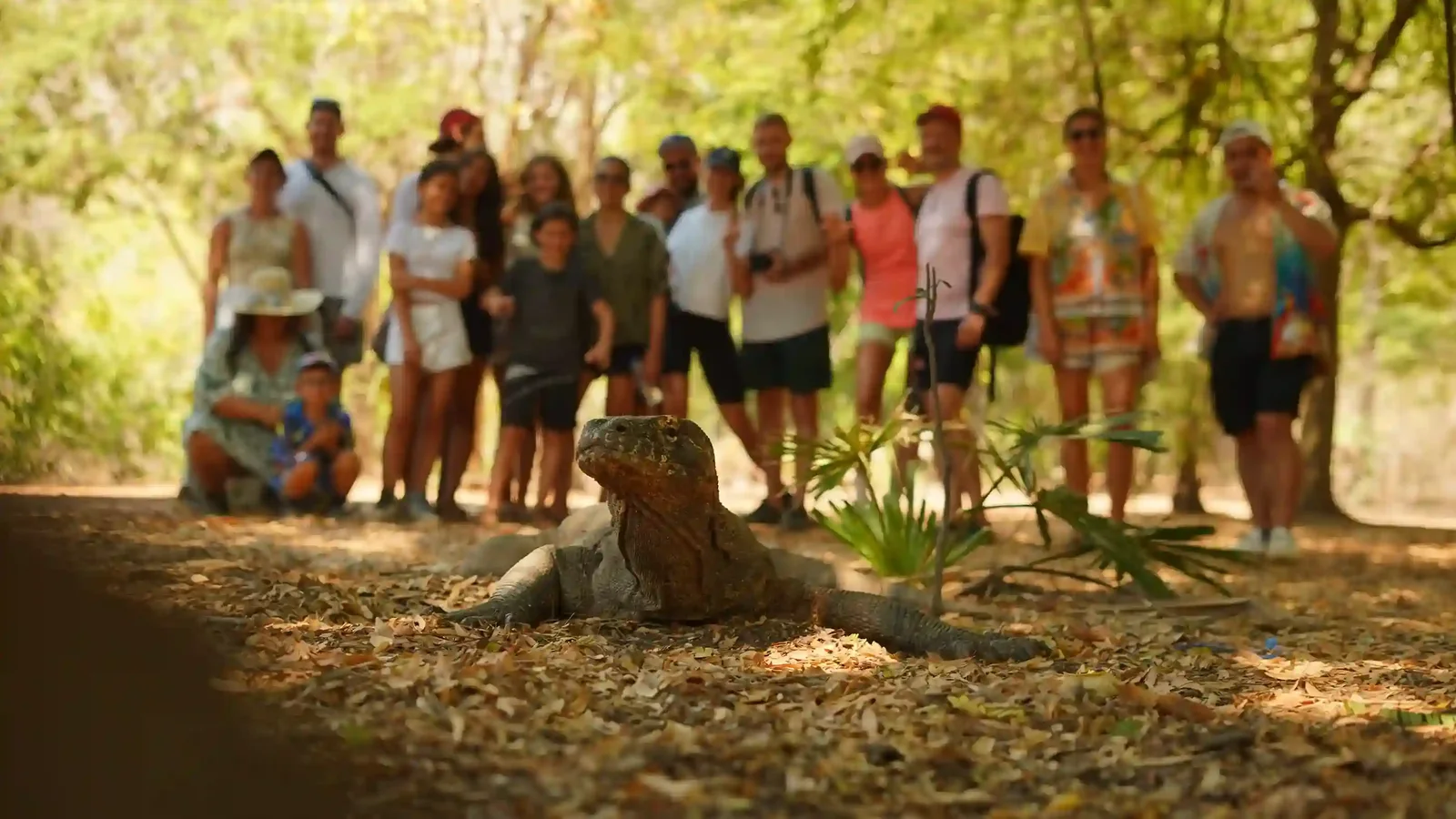
Strengthened post-2027 conservation policies are generally considered worthwhile because they help protect manta cleaning stations, reef health at Batu Bolong and Castle Rock, and Komodo dragon habitats. Short-term inconveniences—such as stricter booking windows or tighter caps—support better wildlife encounters and safer, better-managed Bali–Komodo expeditions over the long term.
what is included in How Komodo Conservation Policies May Evolve After 2027?
Policy evolution after 2027 is expected to include refined zoning within Komodo National Park, stricter safety requirements, stronger reporting around incidents, and closer oversight of operator training and environmental practices. Indirectly, guests may see more structured onboard conservation education, clearer requirements for dive insurance, and more transparent information about accessibility and safety systems.
How will future regulations affect starting a liveaboard company in Bali?
Future regulations are likely to raise the bar for starting a liveaboard company in Bali, particularly for routes crossing Komodo National Park. New entrants should plan for enhanced crew qualifications, more rigorous safety drills, closer scrutiny of hull maintenance and antifouling choices, and closer collaboration with recognised conservation partners active around Flores and western Sumba.
Will itineraries beyond Komodo, such as a Sumba route, become more common?
As Komodo visitor caps tighten after 2027, more operators may diversify toward mixed routes, such as a Sumba liveaboard from Bali itinerary combined with short Komodo segments. This spreads ecological pressure over a wider area and gives guests additional cultural and diving experiences, while still respecting site-specific limits within the Komodo National Park core zones.
For tailored advice on planning a post-2027 Bali–Komodo itinerary, inclusive logistics, and conservation-focused liveaboard options, contact the Juara Holding Group business development desk via WhatsApp 628113823875 or email sales@komodoluxury.com.
Last updated 1 August 2026