

Investing In A Bali–Komodo Liveaboard Boat
Investing in a Bali–Komodo liveaboard boat typically starts from US$750,000–US$1.8 million as of August 2026 for a professionally built
Investing in a Bali–Komodo liveaboard boat typically starts from US$750,000–US$1.8 million as of August 2026 for a professionally built, commercially compliant Phinisi or steel vessel, with realistic net yields of 8–14% once occupancy, management fees, dry dock, insurance, and crew salaries are properly modeled over a 7–10 night Bali–Komodo season.
Why invest in a Bali–Komodo liveaboard boat instead of a hotel room or day boat?
A Bali–Komodo liveaboard directly taps demand for multi-day expedition cruises out of Labuan Bajo during the April–October dry season, when sailings to Batu Bolong, Manta Point, and Castle Rock are hardest to secure. Unlike a fixed hotel room, a boat earns across multiple islands and can be positioned between Bali and Komodo depending on peak dates.
As of August 2026, retail rates on established routes range from around US$900 per person for shared budget cabins up to US$4,000+ for a 5 star Bali Komodo liveaboard boat suite. With back-to-back itineraries, a full calendar of Lombok-crossing and Komodo-only trips can generate 150–220 occupied nights per year, far beyond most villas.
In addition, the experience itself is harder to replicate. Even cheap Bali Komodo liveaboard options let guests access critters to see near Komodo from liveaboard platforms — manta rays, reef sharks, turtles and macro life in current-swept channels — which underpins strong repeat and referral business on properly managed vessels.
How should an investor position between budget and 5-star liveaboard segments?
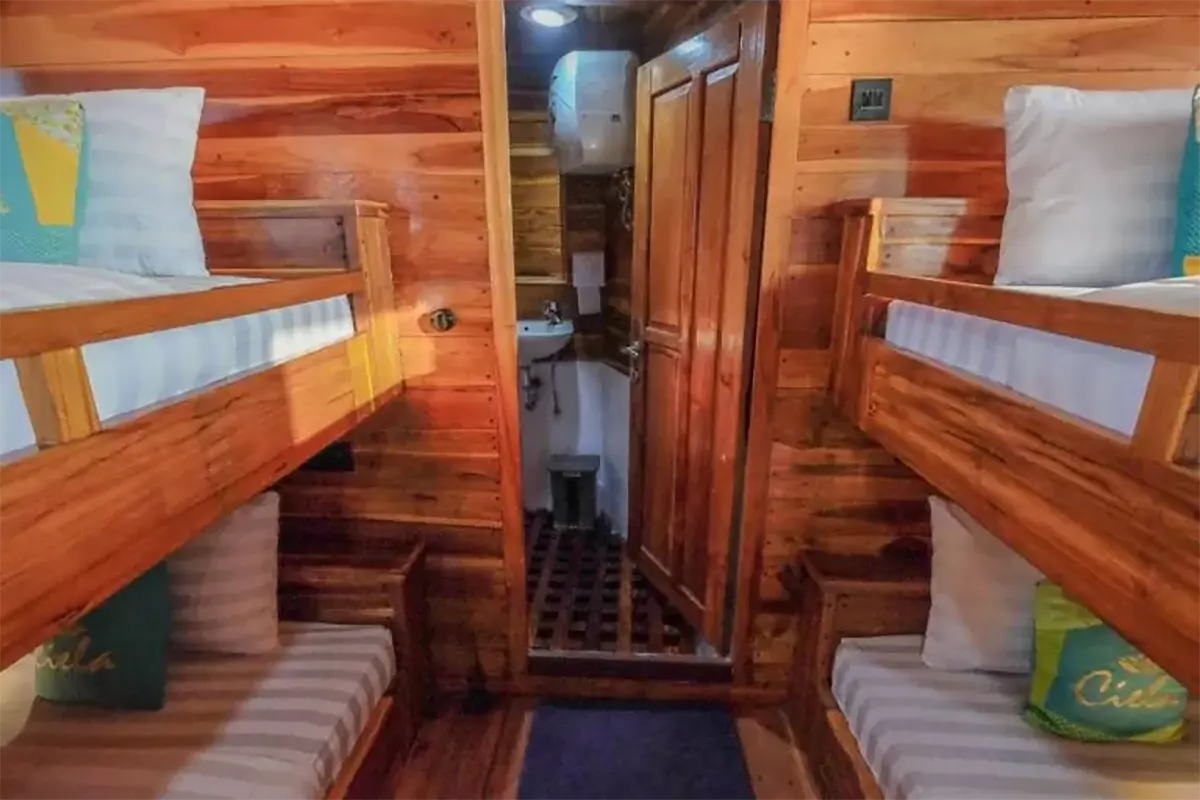
The decision between budget and luxury positioning drives interior fit-out, crew profile, and operating costs. Budget cabins compete with cheap Bali Komodo liveaboard options that currently sell from about US$900 per person as of August 2026, often with shared facilities and simpler gear rental on Komodo liveaboard boat decks.
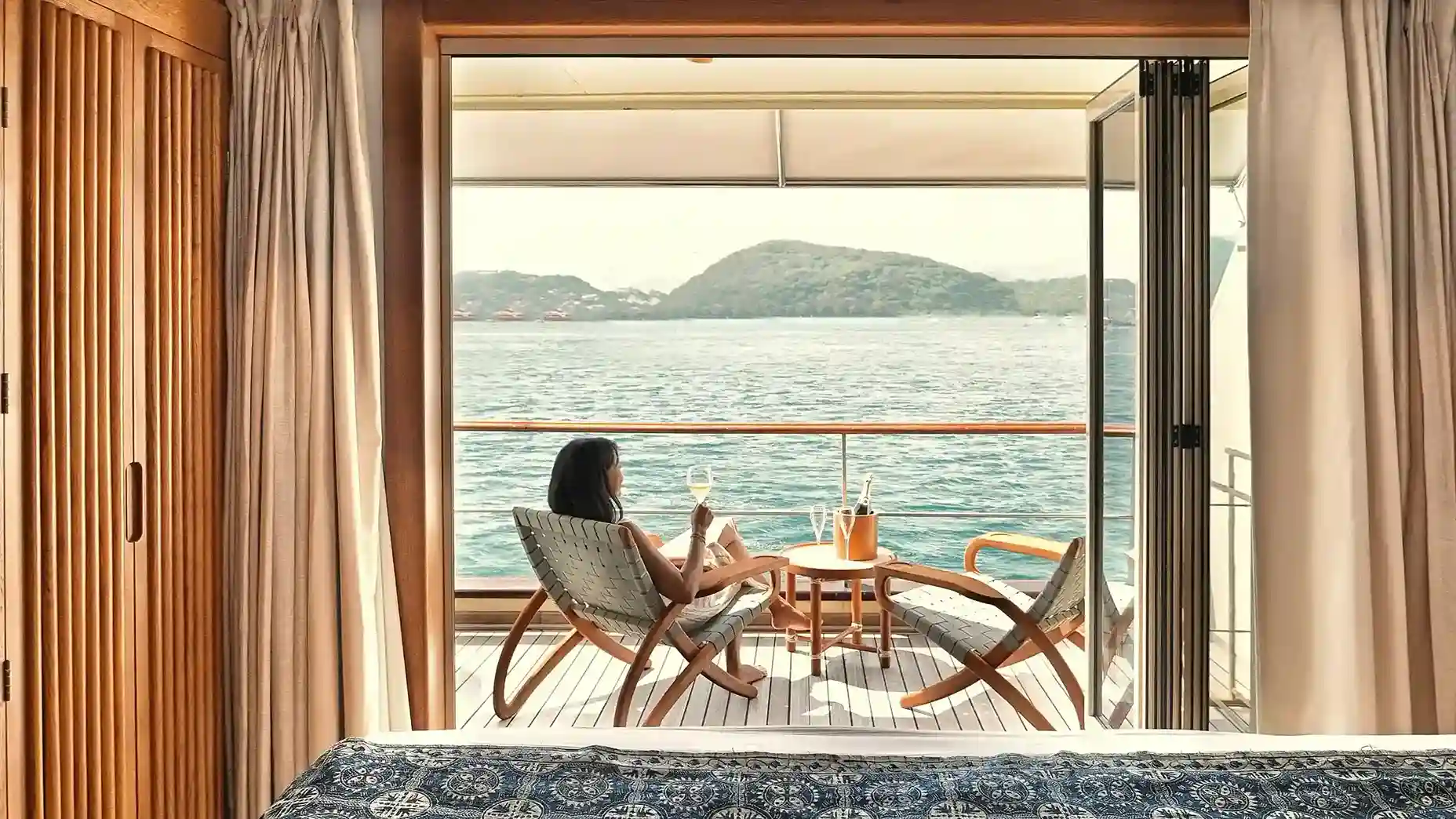
A higher-capital 5 star Bali Komodo liveaboard boat will feature private ensuite cabins, stronger air-conditioning, generous camera tables, and refined dining. That product can command US$3,000–US$4,000+ per person, but must deliver consistently high service and safety, plus amenities such as structured buddy check routines on liveaboard dive decks and clear briefings around boat stability during rough crossings between Lombok and Komodo.
Strategically, investors often place one vessel at mid-market with optional upgrades, and a second vessel towards eco-luxury. Long-term trends in the region are outlined further in the analysis of Eco Luxury Bali Komodo Liveaboard Trends Towards 2030, which shows growing appetite for small-ship comfort combined with credible environmental practices and safety documentation.
What occupancy and route mix are realistic for Bali–Komodo operations?
Typical itineraries run 3D2N–11D10N out of Labuan Bajo, with 4D3N Lombok–Labuan Bajo island crossings adding inventory at the value end. High season is May–September, with July–August often fully booked, while November–March can be rougher and requires more conservative planning or route adjustments via Labuan Bajo.
Operationally, many boats pair Lombok–Komodo island crossings with shorter Komodo-only trips out of Labuan Bajo. This mix increases annual earning days while still capturing Bali-originating demand via the ~1h15m DPS–LBJ flight.
As of August 2026, prudently modeled occupancy for a new entrant is 55–65% year-round, rising to 80%+ across peak weeks if distribution, photography (including optional camera boat hire in Komodo National Park for film crews), and sales partnerships are in place. Future capacity constraints, covered in How Komodo Visitor Quotas Will Shape Liveaboards In 2027, will likely reward better-positioned, compliant fleets rather than casual entrants.
How does Bali–Komodo compare to Raja Ampat for investors?
Many investors consider Bali Komodo liveaboard vs Raja Ampat as alternative or complementary basing strategies. Raja Ampat is globally known for biodiversity and can command premium rates during its own season. However, Bali–Komodo directly leverages Bali’s Ngurah Rai International Airport (DPS) for international access and Komodo Airport (LBJ) for domestic legs.
Bali–Komodo itineraries are also easier to package with pre- and post-cruise stays in Bali resorts, surf areas, or wellness retreats, widening the addressable market beyond specialist divers. The critters to see near Komodo from liveaboard cruises — manta congregations, Komodo dragons on shore visits, and colorful reefs — remain highly marketable for non-technical guests and families.
From a cost base perspective, dry dock options for Phinisi in Indonesia are more concentrated around Sulawesi and Java, serving both Bali–Komodo and Raja Ampat fleets. Many owners operate seasonally: part of the year in Komodo, part in Raja Ampat, allowing higher annual utilization of the same hull and crew, provided logistic and regulatory planning are solid.
What management, crew, and compliance structures should investors plan for?
Most passive or overseas investors engage a Bali Komodo liveaboard management company to handle crew employment, licensing, sales, and on-water operations. Management fees typically sit in the 12–25% range of gross charter revenue as of August 2026, depending on the scope (charter-only vs full technical and crewing service).
Key compliance points include flagging options for Komodo liveaboard operations, which influence where surveys, safety inspections, and tax obligations sit. Insurance for commercial liveaboard hulls must cover hull and machinery, P&I, passenger liability, and in many cases dive-specific risks. Underwriters will expect a written risk management plan for liveaboard owners covering emergency response, medical kits, crew training, and navigation policies during adverse weather.
Salary benchmarks for liveaboard staff in Indonesia vary by vessel class and route: as of August 2026, experienced captains and cruise directors expect a higher package than domestic ferry crew, while deckhands, chefs, and dive guides scale with qualifications and language skills. A documented HR framework, clear rotations, and retention plan are critical for guest satisfaction and investor returns.

What technical and environmental considerations affect long-term value?
Beyond layout and décor, investors should review engineering and environmental systems. A solid boat layout Komodo liveaboard sample will show guest cabins away from main engine noise, dedicated camera rinse and work areas, and service corridors for housekeeping. Hull design, ballast, and stability booklets are crucial to manage boat stability during rough crossings in November–March.
Environmental controls increasingly matter to regulators and guests alike. Grey water management on Komodo liveaboards is under growing scrutiny, as park authorities and future visitor quotas tighten. Systems that treat or store grey water before discharge, alongside black water holding tanks, add cost but also resilience against future rule changes.
Dry dock options for Phinisi in Indonesia allow periodic class surveys, refits, and cosmetic work. Planning multi-year yard schedules reduces downtime and protects resale value. Documentation — including stability tests, fire systems, and crew drills such as buddy check routines on liveaboard dive decks — supports both compliance and marketing as safety-aware expedition vessels.
- Typical itinerary length: 3D2N–11D10N out of Labuan Bajo; 4D3N for Lombok island crossings.
- Retail price bands as of August 2026: ~US$900 budget shared cabin to US$4,000+ luxury suite.
- Peak operating window: May–September, with repositioning sailings around March–April and October–November.
- Core permits required: Komodo National Park entry and associated marine reserve fee for guests.
- Key documentation: stability booklet, insurance for commercial liveaboard hulls, risk management plan, crew contracts.
- Typical management fee: 12–25% of gross charter revenue, depending on service scope.
- Primary air gateways: Denpasar (DPS) for Bali arrivals and Labuan Bajo (LBJ) for Komodo access.
Investing In A Bali–Komodo Liveaboard Boat
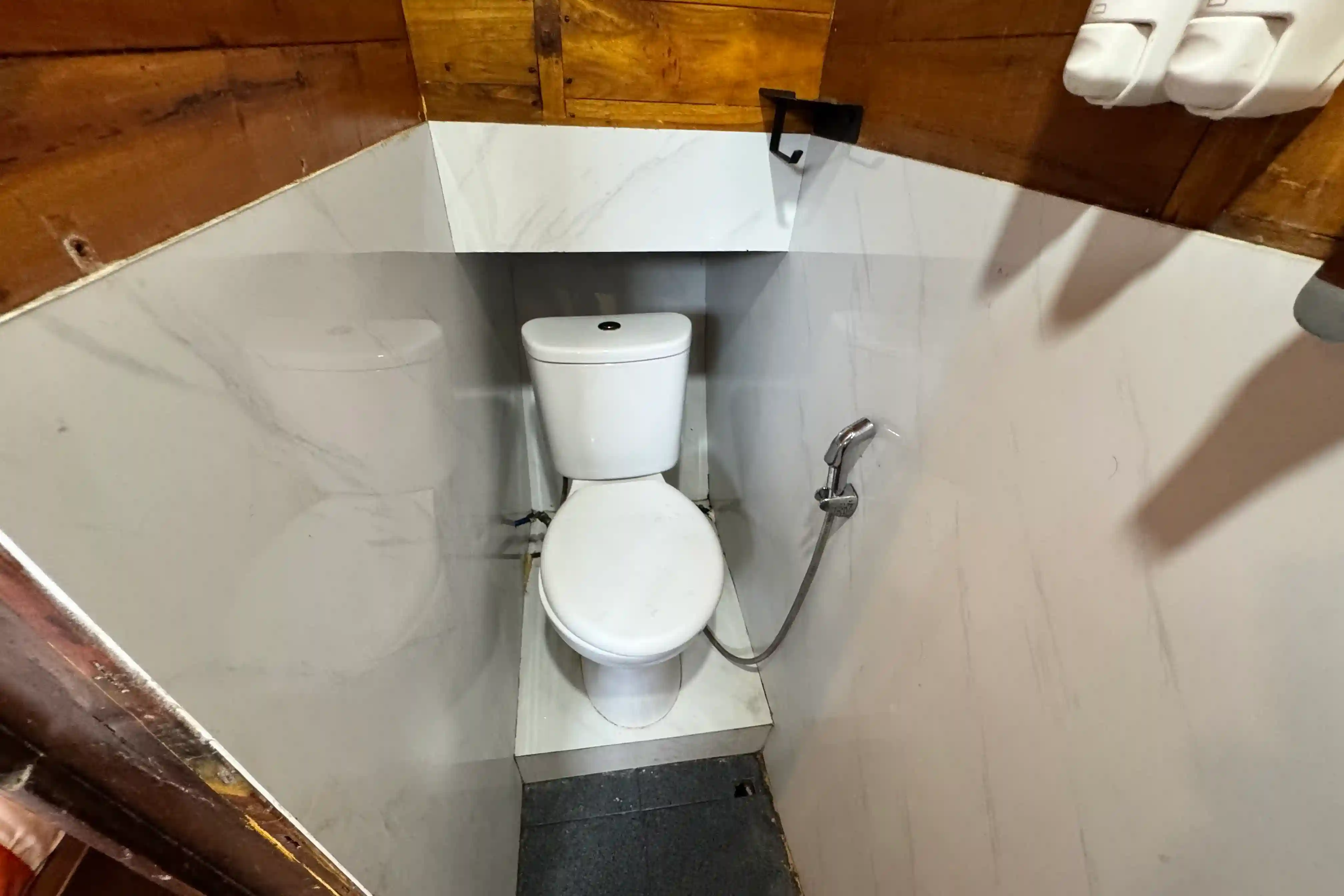
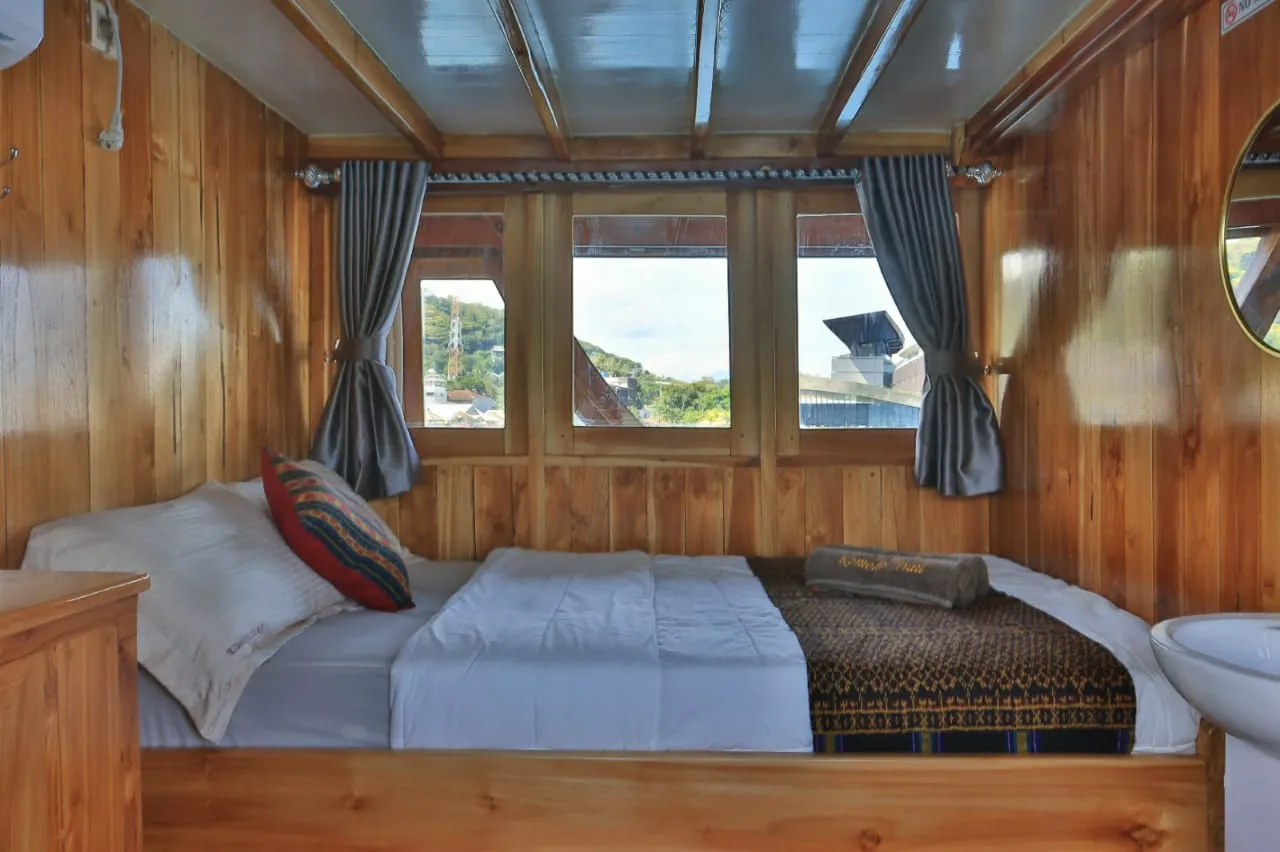
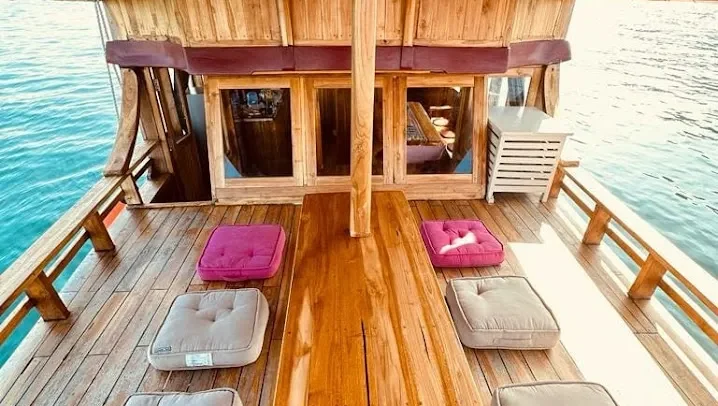
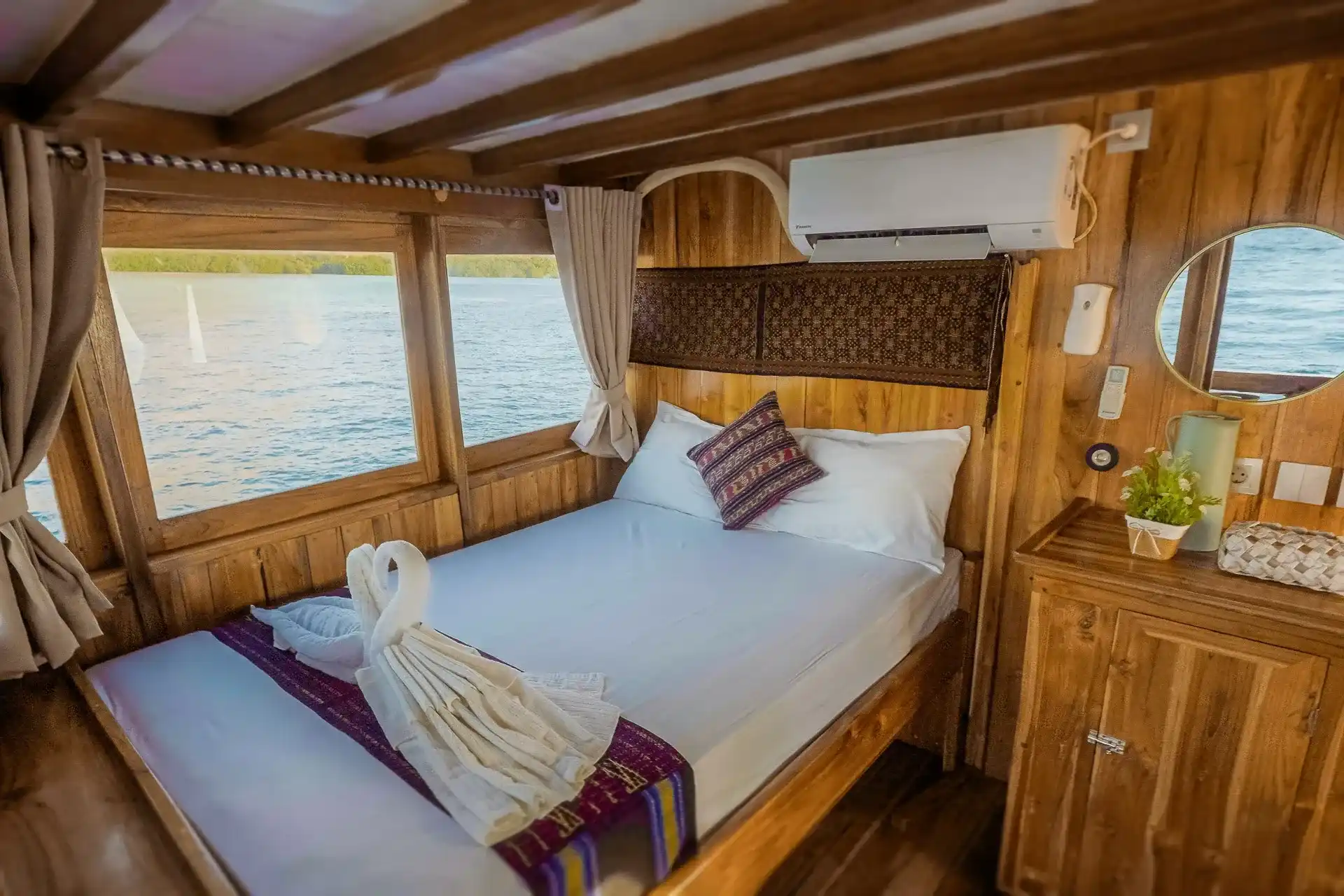
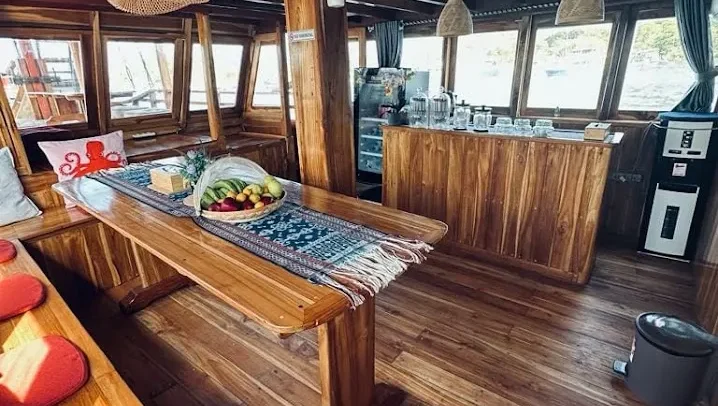
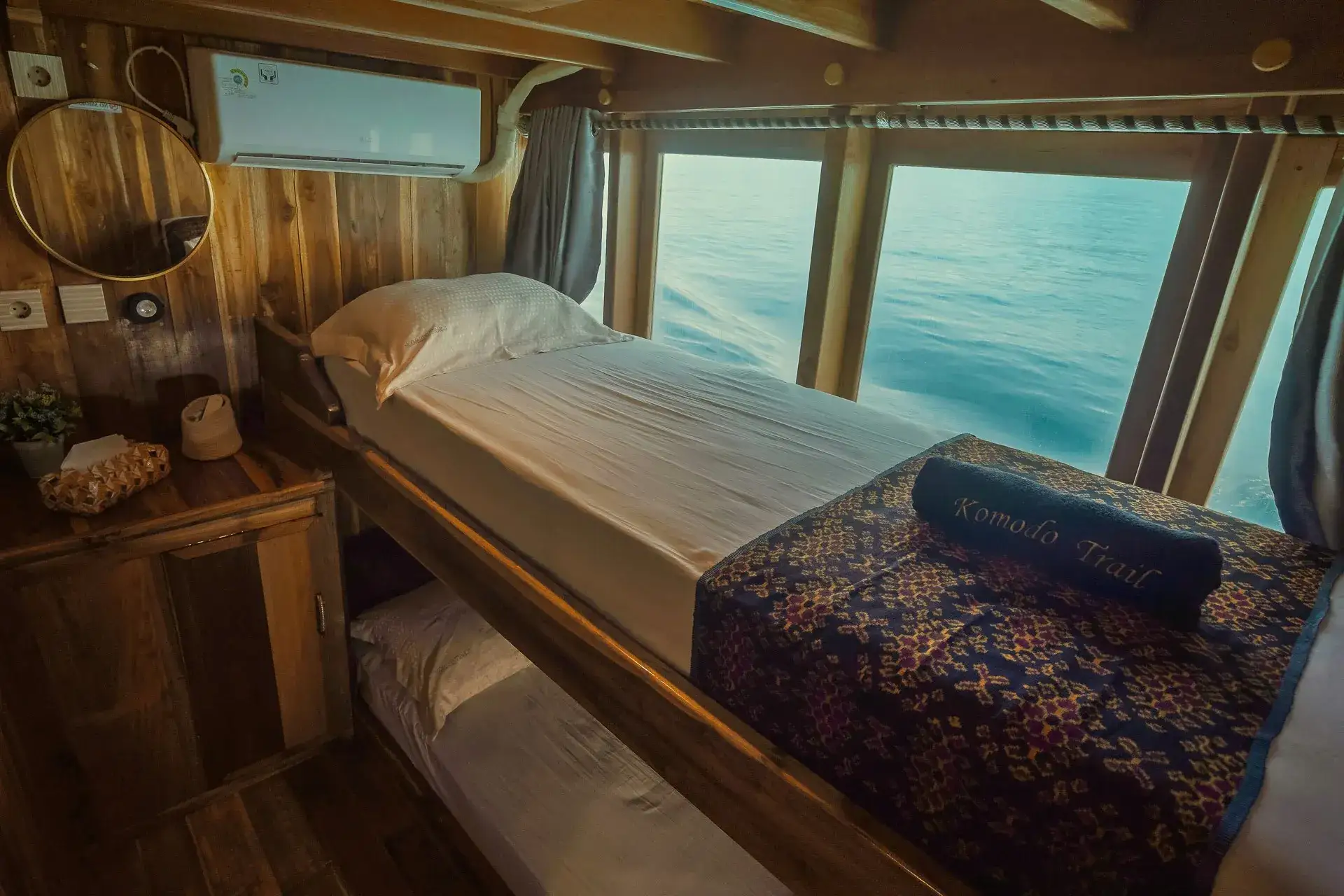
Photography from our own Komodo Luxury fleet and charters across the archipelago.
Frequently asked questions
Capital expenditure to invest in Bali Komodo liveaboard boat operations typically ranges from US$750,000 for a simple converted vessel up to US$1.8 million or more for a purpose-built Phinisi or steel liveaboard as of August 2026. The final figure depends on size, cabin count, finish level, safety systems, and new build versus refit.
For investors comfortable with maritime assets, this segment can be attractive. Well-managed boats on Bali–Komodo routes can target 8–14% net yields through a mix of direct charters and wholesale bookings. Value also lies in flexible deployment between Bali, Komodo, and potentially Raja Ampat, provided risk, crew, and maintenance are tightly controlled.
Investment usually covers the vessel, interior fit-out, safety gear, tenders, navigation equipment, and initial licensing. Operating packages often include crew hiring, salary benchmarks for liveaboard staff, insurance, permits, and marketing via a Bali Komodo liveaboard management company. Guest services such as meals and gear rental on Komodo liveaboard boat decks become ongoing revenue drivers.
Risks differ rather than simply increase. Vessel values depend on hull condition, safety records, and regulations, while land real estate hinges more on zoning and tourism demand. A documented risk management plan for liveaboard owners, solid insurance, scheduled dry docks, and experienced management help mitigate operational and weather-related exposures.
Yes. Some owners structure their models around full-boat expedition charters for dive clubs, photographers requiring camera boat hire in Komodo National Park, or film crews. Others blend charters with retail cabin sales via distributors. Strategic mix and yield expectations are discussed in depth in the Investor Outlook For Bali Komodo Liveaboard Fleets In 2027 report.
To explore designs, cash-flow models, or co-ownership structures for a Bali–Komodo vessel managed under the Juara Holding Group (active in marine tourism since 2015), reach the BD desk via WhatsApp 628113823875 or email sales@komodoluxury.com, or review current operational products via our Bali to Komodo liveaboard booking page.
We’ll ladder the routes — quote within office hours
Fastest is WhatsApp — a real charter desk, not a bot. Or send the short form and we reply by email with windows, vessels and an itemised fare plank for your month.