
Diving Liveaboard Indonesia — Komodo To Raja Ampat
Diving liveaboard Indonesia itineraries typically offer 3–4 dives per day with up to 30+ dives on a 10-day route
Overview
Diving liveaboard Indonesia itineraries typically offer 3–4 dives per day with up to 30+ dives on a 10-day route, guided in small groups (often 1:4 guide ratio). Komodo Luxury arranges Indonesia liveaboard itineraries Raja Ampat Komodo Banda, Alor and Lembeh, from affordable shared trips to private superyacht dive cruises.
01
What does a dive-focused Indonesia liveaboard itinerary actually look like day to day?
A typical diving liveaboard Indonesia schedule is built around 3–4 dives daily: early-morning, late-morning, afternoon and, where conditions allow, a night dive. On most boats partnering with Komodo Luxury, a guide-to-diver ratio of around 1:4 is standard, giving close supervision and better critter spotting.Across 7–10 nights, indonesia liveaboard itineraries Raja Ampat Komodo Banda can cover headline sites such as Batu Bolong, Castle Rock and Manta Point in Komodo; Cape Kri, Blue Magic and Mioskon in Raja Ampat; plus Banda Sea seamounts known for schooling hammerheads in the September–November window. As of August 2026, crossing trips typically run twice a year during these transition seasons.Days on board are structured: light snack and briefing from 06:30, first dive around 07:30, followed by breakfast and surface interval, second dive before lunch, then a third dive in mid‑afternoon. Macro or muck-focused boats may prioritise longer, slower dives at 20–25 metres, ideal for photographers. Night dives are usually offered 2–4 times per trip, especially on Raja Ampat diving liveaboard itineraries around Dampier Strait and Misool.

02
How do Komodo and Raja Ampat compare for liveaboard diving and which route suits you?
Many divers ask “Raja Ampat or Komodo diving liveaboard first?” Liveaboard diving Komodo vs Raja Ampat offers different strengths. Komodo is current‑rich, with iconic drift dives like Shotgun and Cauldron, plus Batu Bolong and Manta Point among the best dive sites Komodo and Raja Ampat share in reputation. Seasonally, Komodo is strongest April–November, while Raja Ampat peaks October–April.Raja Ampat liveaboard diving is famous for biomass: some of the highest recorded fish and coral diversity on Earth, especially around Cape Kri and Blue Magic in the Dampier Strait. For many, this makes it the best Raja Ampat diving liveaboard choice for a first eastern Indonesia trip. Komodo offers more rugged topography and cooler upwellings, attracting mantas and big pelagics, plus memorable drifts.For guests weighing komodo vs raja ampat which is better for liveaboard diving, consider experience level. Komodo’s currents can be more challenging for newer divers, while Raja Ampat’s variety lets crews pick gentler reefs when needed. Combination or day Komodo Raja Ampat liveaboard crossings via the Banda Sea add hammerhead potential but usually require 10–12 nights and advanced certification.
03
Which Indonesian regions are best for mantas, macro and muck, and how are itineraries tailored?
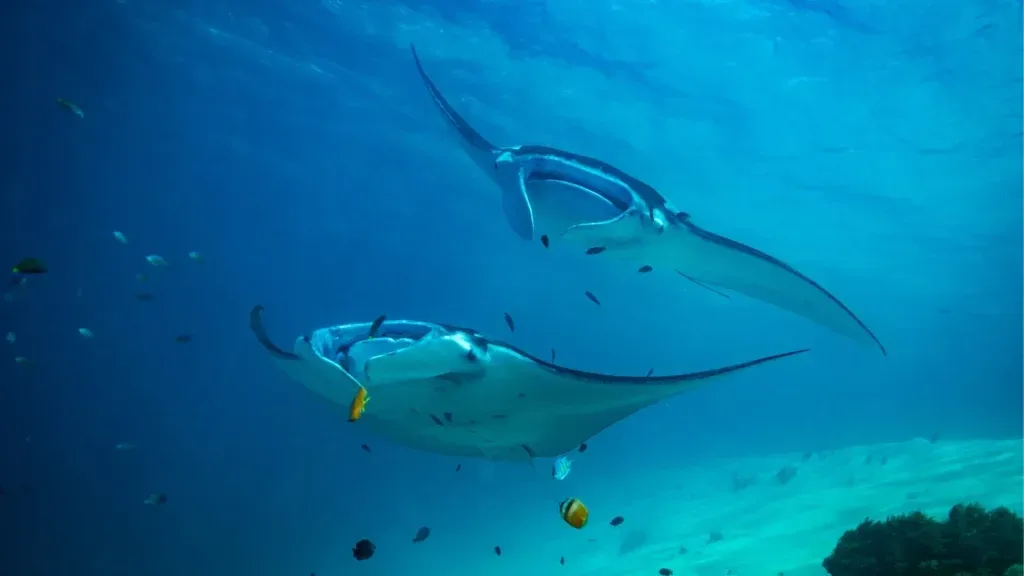
Indonesia is one of the few destinations where a single voyage can mix manta ray cleaning stations, macro seafans and muck slopes. For manta ray diving Raja Ampat liveaboard trips focus on central Dampier Strait (sites like Manta Sandy and Manta Ridge) between roughly November and March. Komodo’s Manta Point and Makassar Reef are reliable April–November, with mantas often present year‑round.Macro lovers usually aim for Alor, Raja Ampat’s critter‑rich bays, or add Ambon and Lembeh to a longer route. Muck diving liveaboard Raja Ampat and Ambon itineraries can include black sand slopes, Rhinopias, mimic octopus and rare nudibranchs, while Lembeh is classically dedicated to muck. Some boats actively promote “best Raja Ampat liveaboard for macro diving” schedules with more time in jetties and bays.For wide‑angle shooters, a photography focused Raja Ampat liveaboard tends to spend extra time at Cape Kri, Blue Magic and Misool’s soft‑coral seamounts, planning dives to match sun angle and current. Banda Sea liveaboard crossings add schooling barracuda, sea snakes and—subject to luck—hammerheads between September and November. Alor delivers both clear‑water walls and cold‑upwelling macro sites, especially August–November.

04
What certifications and experience do you need for Komodo, Raja Ampat, Banda and beyond?
Certification requirements differ by region and itinerary. For Komodo, most boats request at least Advanced Open Water (or equivalent) and 30–50 logged dives for central and northern sites, due to strong currents and downwellings. This aligns with common safety guidelines used across the park as of August 2026. Some sheltered southern sites may accept Open Water with recent experience.Raja Ampat diving liveaboard trips are slightly more flexible. Open Water divers with at least 20–30 dives can often join, though advanced certification is recommended for deeper sites like Blue Magic or Sardine Reef. A raja ampat liveaboard with nitrox is highly recommended, as typical dive depths of 18–25 metres plus 3–4 dives per day benefit from extended no‑decompression limits.Banda crossings, Alor, and Cenderawasih itineraries often require Advanced certification and 40–50+ dives, with recent experience in currents. For super‑remote expeditions or superyacht dive cruise Raja Ampat charters that include exploratory seamounts, operators may ask for rescue-level training and proof of recent diving. Medical clearance and dive insurance are strongly advised for all multi‑day trips.
05
How much does a dive liveaboard cost in Komodo, Raja Ampat, Banda and Alor?
Pricing depends on boat class, season and length. As of August 2026, Komodo Luxury’s affordable dive liveaboard Raja Ampat and Komodo options start from around the same level as its Komodo shared open trips (from USD 330 per person for 3D2N, diving supplement extra). Premium Raja Ampat cruises, especially in peak season, usually cost more per night than Komodo.Day Raja Ampat liveaboard cost per person on shared vessels often ranges from roughly USD 250–450 per day including 3–4 dives, cabin, meals and guides, excluding park fees and domestic flights. Private VVIP charters and superyacht dive cruise Raja Ampat itineraries can exceed USD 18,000 per night for full‑boat charters, depending on yacht size and inclusions.Banda Sea and Alor crossings—being longer and more remote—typically price higher per day than stand‑alone Komodo or Dampier Strait trips. Guests should also budget for Komodo National Park diving fees of around IDR 300,000 per diver per day (about USD 18–24), plus Raja Ampat marine park tags, which vary by local regulation and are paid once per stay.
06
How do flights and logistics work from Bali to join a Komodo or Raja Ampat liveaboard?
Most international guests route through Bali before boarding. For Komodo, flights from Bali to Labuan Bajo (DPS–LBJ) take about 1 hour 10–20 minutes gate‑to‑gate, operated by Indonesian carriers. Guests typically connect from the airport directly to the harbour for embarkation, with many itineraries offered round‑trip Labuan Bajo as part of a bali liveaboard departure plan.Flights from Bali for Raja Ampat liveaboard diving connect via Sorong (Domine Eduard Osok Airport – SOQ). This usually involves a domestic flight DPS–Makassar or DPS–Jakarta, then onward to Sorong on airlines such as Garuda Indonesia, Batik Air, Lion Air or Citilink, depending on schedules. Many boats embark and disembark in Sorong, simplifying transfers.For Banda Sea or Alor trips, embarkation can be in Ambon, Saumlaki, Maumere or Kupang, with domestic flights arranged via Jakarta, Bali or Makassar. Some divers combine a snorkeling liveaboard Indonesia extension before or after their main dive cruise, using Bali as a central hub, and there are itineraries dedicated to non-divers interested in reefs and island hopping.
- 3–4 dives per day, with typical maximum trip total of 25–35 dives on 8–10 night routes.
- Standard guide-to-diver ratio around 1:4 on most partner vessels for safety and critter spotting.
- Komodo National Park diving fees approx. IDR 300,000 per diver per day as of August 2026.
- Prime seasons: Komodo April–November; Raja Ampat October–April; Banda Sea Sept–Nov.
- Access via Bali DPS to Labuan Bajo LBJ (~1h15m) or to Sorong SOQ via Jakarta/Makassar.
- Boat classes from Deluxe and VIP to VVIP superyachts (Celestia, Lamima, Dunia Baru, Alila Purnama, King Neptune, Manta Mae within the network).
- Part of Juara Holding Group since 2015 through Komodo Luxury’s Indonesia operations.
In these waters
Diving Liveaboard Indonesia — Komodo To Raja Ampat
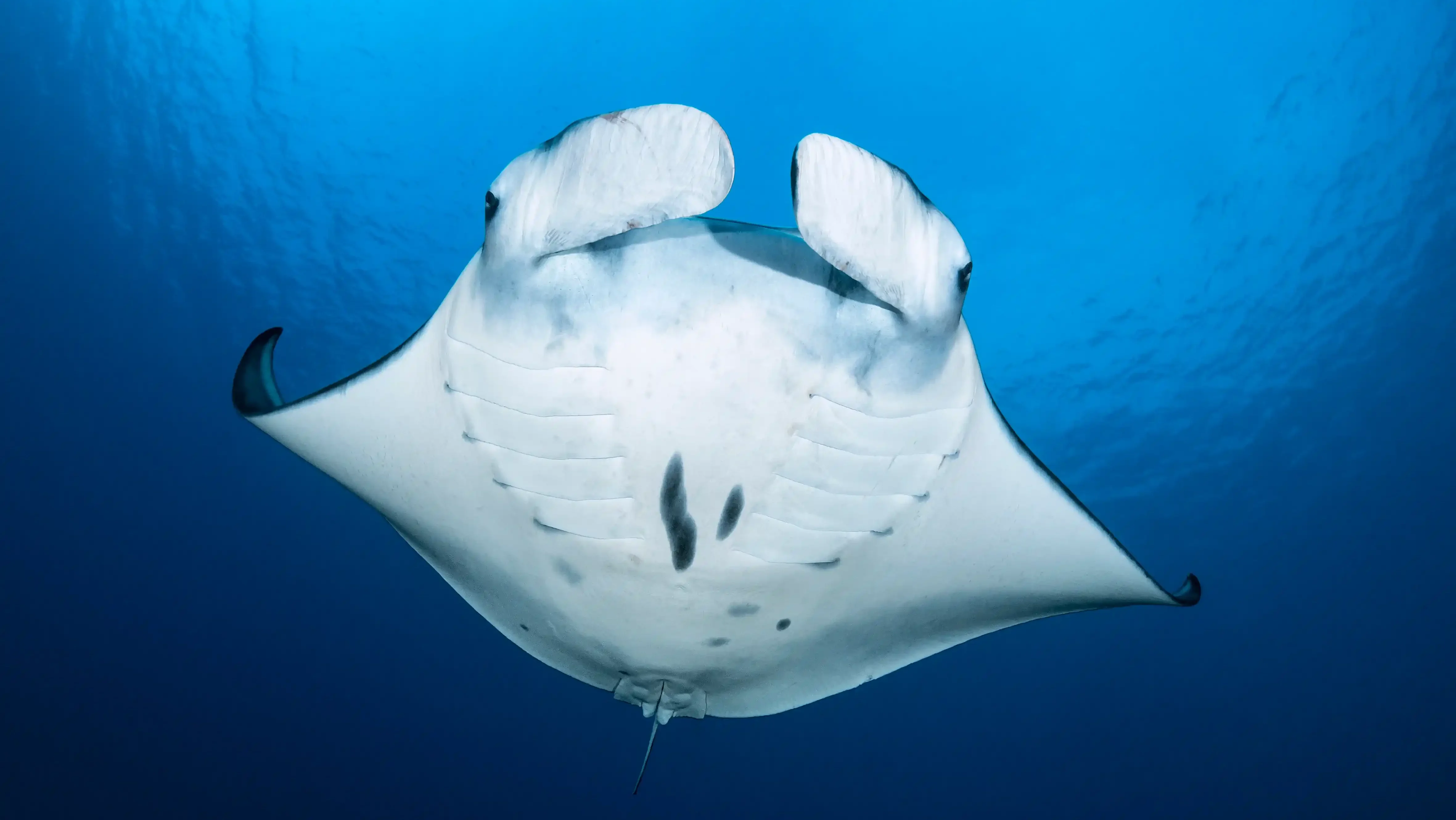


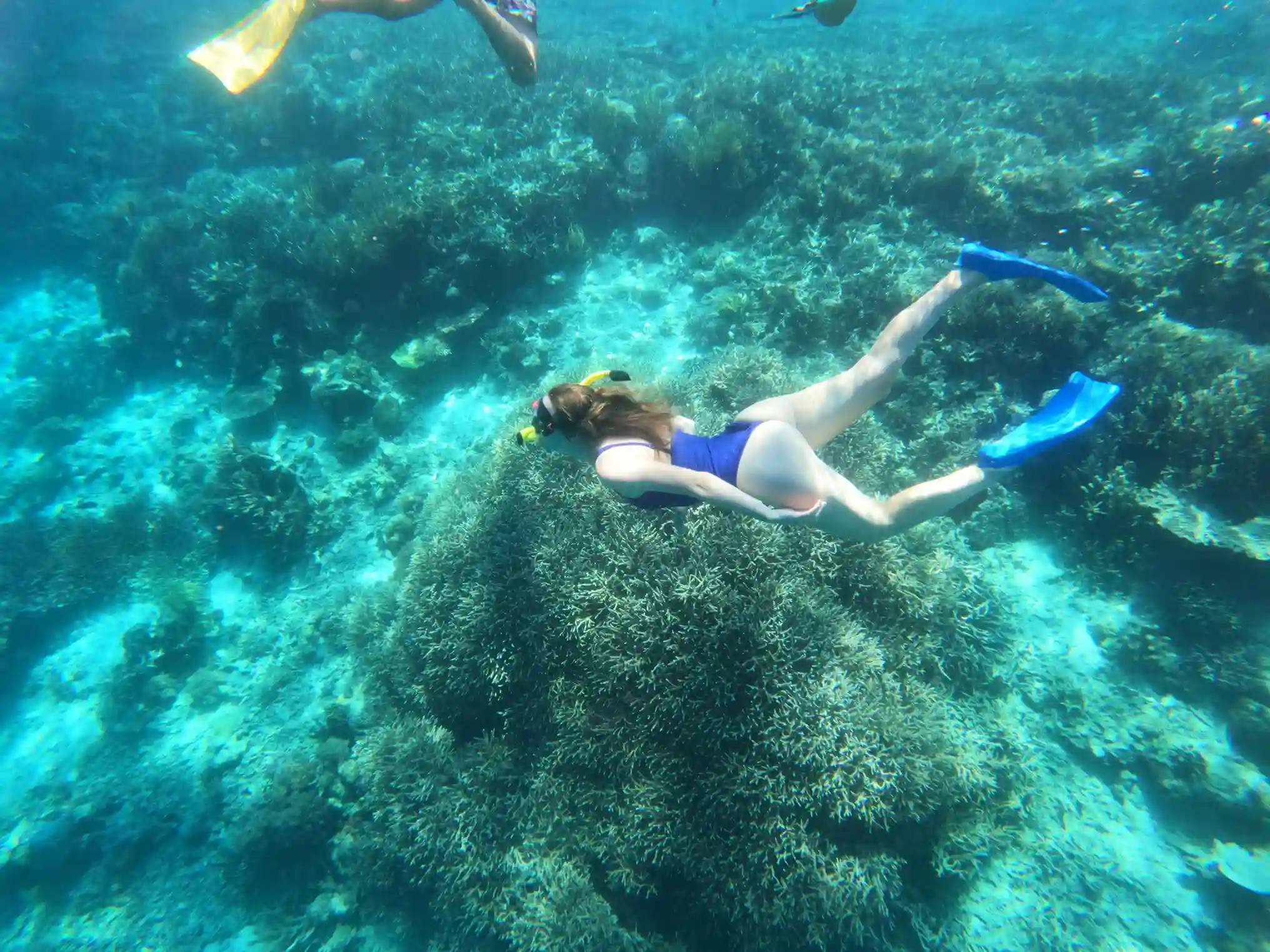
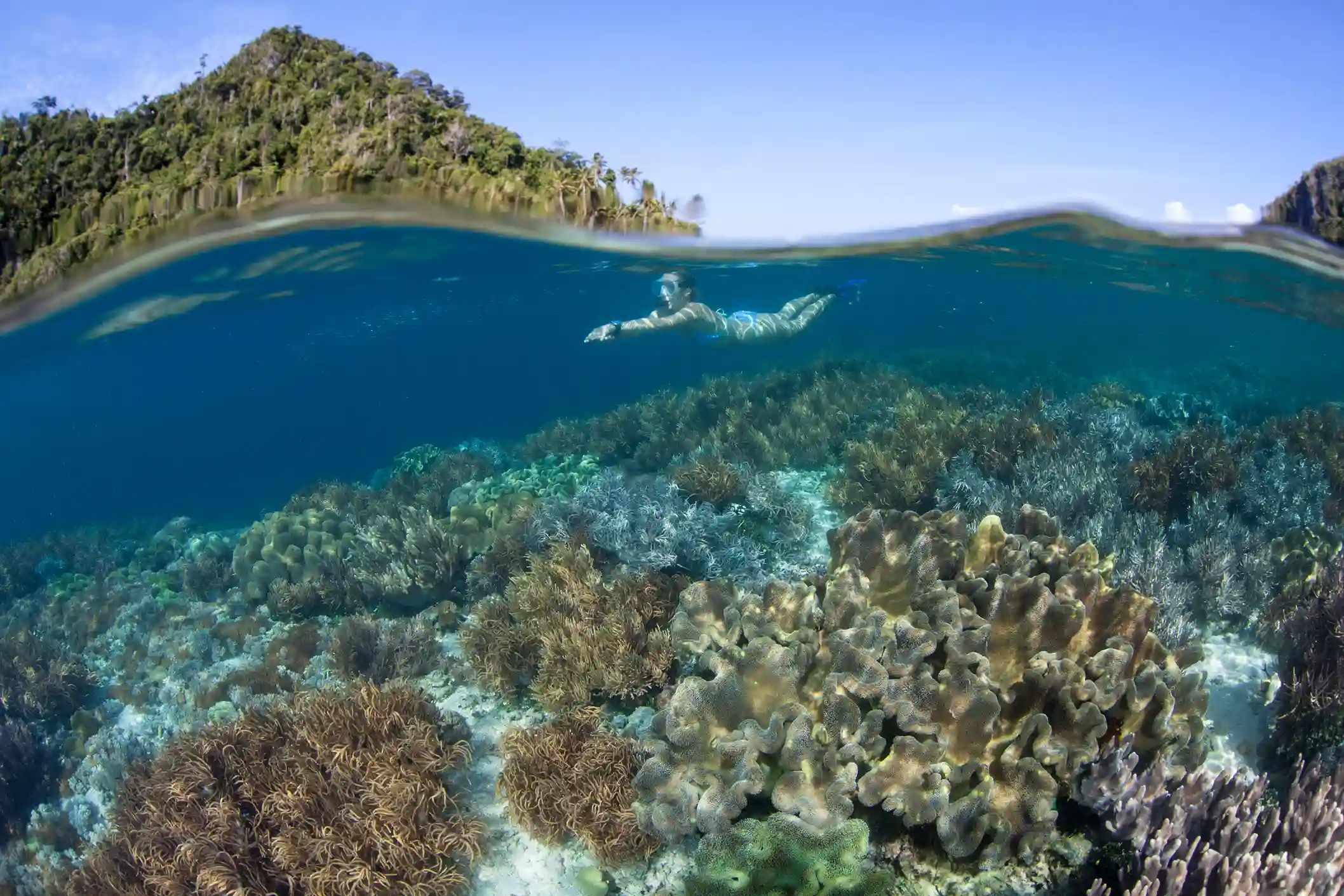

Photography from our own Komodo Luxury fleet and charters across the archipelago.
Answer-First FAQ
Frequently asked questions
Most Indonesia liveaboards plan for 3–4 dives per full day: two in the morning, one in the afternoon and, conditions permitting, a night dive. On travel or crossing days, this may reduce to 1–2 dives. Over a 7–10 night itinerary, guests typically log around 20–35 dives, depending on the exact route and weather.
For central and northern Komodo, Advanced Open Water (or equivalent) plus 30–50 logged dives is commonly requested, due to strong currents and variable conditions. Some sheltered sites can accept Open Water divers with recent experience. Check with the operator in advance, as specific dives like Batu Bolong or Castle Rock may have stricter experience guidelines.
“Best” depends on priorities. Raja Ampat is often considered the most diverse overall, with sites like Cape Kri and Blue Magic forming the core of many best Raja Ampat dive sites liveaboard itinerary plans. Komodo excels in drifts and big animals, Banda in seasonal hammerheads, and Alor or Lembeh in high-end macro and muck opportunities.
Many boats, especially those marketed as best Raja Ampat diving liveaboard or Banda Sea expeditions, provide nitrox (often at a daily or per‑tank surcharge) and full rental gear. A raja ampat liveaboard with nitrox is highly recommended for repetitive 18–30 metre dives. Reserve equipment sizes early, as stock on remote routes like Banda or Alor is limited.
In Komodo, mantas are encountered most reliably from roughly December–February in the south and April–November in the north and central areas, though they can appear year‑round. In Raja Ampat, manta aggregations around Dampier Strait and Misool peaks from about November to March, aligned with plankton blooms that attract large filter feeders.To plan a diving liveaboard Indonesia itinerary from Komodo to Raja Ampat, Banda, Alor or Lembeh, contact the Komodo Luxury desk via WhatsApp 628113823875 or email sales@komodoluxury.com, or explore a snorkeling liveaboard Indonesia option for non-divers and mixed groups.Book this route — Operated by Komodo Luxury
Tell us your month
We’ll ladder the routes — quote within office hours
Fastest is WhatsApp — a real charter desk, not a bot. Or send the short form and we reply by email with windows, vessels and an itemised fare plank for your month.