
Banda Sea & Spice Islands Liveaboard Guide
A Banda Sea liveaboard typically runs 10–12 nights during the crossing seasons of September–November and March–April
Overview
A Banda Sea liveaboard typically runs 10–12 nights during the crossing seasons of September–November and March–April, with banda sea liveaboard price range commonly around USD 3,500–6,500 per person as of August 2026. These trips connect Komodo or Alor with Raja Ampat, timed for schooling hammerheads and calm blue-water crossings.
01
What is a Banda Sea liveaboard and why is crossing season so special?
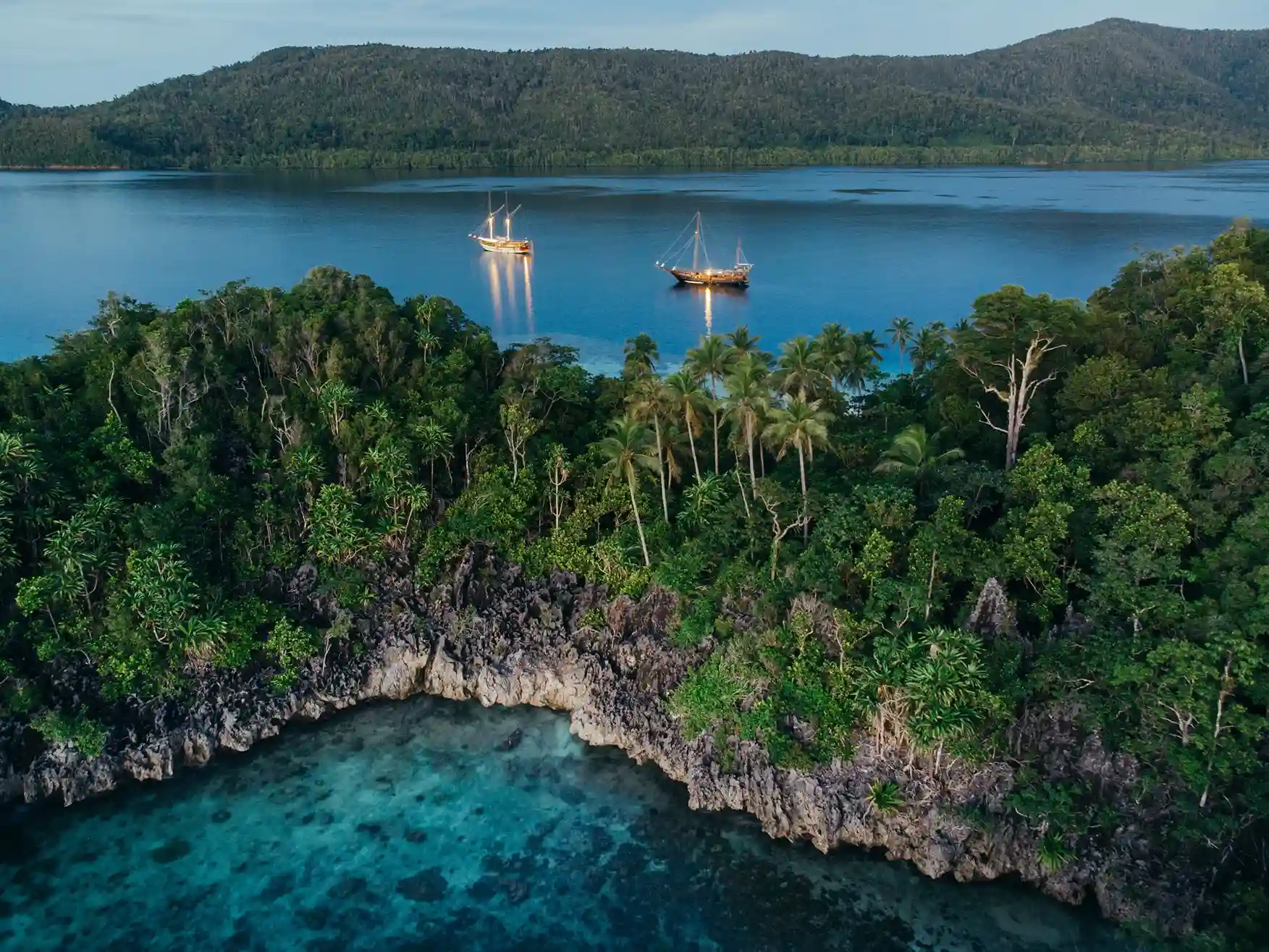
A Banda Sea liveaboard is an extended expedition cruise linking Eastern Indonesia hotspots such as Komodo, Alor, Banda Neira, the Spice Islands and Raja Ampat. The prime crossing seasons are September–November and March–April, when prevailing winds drop and the deep Banda Basin calms enough for stable small ship cruise Indonesia operations and high-visibility diving.These windows coincide with cooler upwellings that attract scalloped hammerhead sharks to remote seamounts like Nil Desperandum and Gili Manuk. Hammerhead schooling peaks are usually reported around October. At Manuk (Snake Island), snorkelers and divers share the water with abundant sea snakes in the shallows, a rare and famous encounter documented in many Banda Sea trip reports since the 1990s.Compared with a shorter Bali komodo liveaboard (often 3–7 nights), Banda crossings are true expeditions, typically 1,000+ km routes across the Indonesian “Ring of Fire.” They suit experienced divers and adventurous families who want rich history, remote islands and pelagic encounters in a single itinerary.
02
How does Banda Sea pricing compare to Komodo and Raja Ampat liveaboards?
Banda Sea itineraries are usually premium because of distance, fuel and logistics. As of August 2026, banda sea liveaboard price range is roughly USD 3,500–6,500 per person for 10–12 nights in shared cabins on quality phinisis or yachts, with Deluxe, VIP and VVIP options in our 240+ vessel network.Komodo liveaboard cost vs Raja Ampat is a frequent comparison. In general, Komodo is the most budget-friendly major region, with shared open trips from around USD 220 per person for 3 days/2 nights (park fees extra). Raja Ampat, especially in the prime Raja Ampat liveaboard October to April season, tends to cost 20–40% more for equivalent boat standards because of remoteness, fuel and provisioning.Banda Sea sits between these or slightly above Raja Ampat, because trips are longer and cross remote open ocean. Guests weighing komodo liveaboard vs raja ampat cost often find Banda crossings deliver elements of both: hammerheads and blue water, plus the chance to end or start in Raja Ampat while still enjoying key Komodo or Alor highlights en route.
03
Which Indonesia liveaboard route is best: Komodo, Raja Ampat or Banda Sea?
The question “which Indonesia liveaboard route is best Komodo or Raja Ampat” now increasingly includes Banda Sea as a third option. The answer depends on experience level, budget and what you want to see between April and November or October and April.Komodo offers iconic dragons and current-swept dives with manta rays, sharks and rich reefs. It is accessible via a short Bali–Labuan Bajo flight of about 1 hour 15 minutes and has the widest komodo liveaboard availability and range of liveaboard boat classes, from simple open trips to ultra-luxury VVIP charters over USD 18,000 per night as of August 2026.Raja Ampat is the biodiversity hotspot, ideal for a Bali liveaboard to Raja Ampat or direct Sorong departures, especially in the calm season from October to April. Banda Sea adds deep blue crossings, schooling hammerheads, Banda Neira’s nutmeg history and remote volcanoes. Many divers choose a komodo to raja ampat relocation cruise through Banda to experience all three regions over several years of trips.

04
What makes Banda Neira, Run Island and the Spice Islands unique on a liveaboard?
Banda Neira was once the global center of nutmeg, contested by European powers during the 16th–17th century spice trade. Its fortifications, colonial houses and nutmeg plantations allow liveaboard guests to step directly into history. Guided tours often include Fort Belgica, clove and nutmeg drying yards, and the grave of Dutch governor General Coen.Run Island gained fame from the 1667 Treaty of Breda, when the British traded it to the Dutch in exchange for Manhattan. Many Banda Sea itineraries anchor off Run for wall dives and village walks, linking underwater exploration with a key turning point in world trade history.These visits break up the deep blue-water passages with cultural immersion. Guests can walk through living nutmeg orchards, meet local spice farmers and see why the Banda Islands once shifted the course of global politics. For families, this mix of snorkeling, gentle shore excursions and stories about “the island swapped for New York” adds educational value to a Komodo or Raja Ampat-focused journey.
05
How do Bali–Komodo–Raja Ampat crossings and Banda Sea routes connect?
Many vessels reposition between Komodo and Raja Ampat twice each year, creating limited-edition itineraries like a komodo to raja ampat relocation cruise or a ring of fire cruise indonesia itinerary. These often start with a liveaboard Bali to Komodo or direct embarkation in Labuan Bajo, then continue via Alor, Banda and Seram to Sorong.Guests sometimes combine a best bali to komodo liveaboard segment (3–6 nights focused on Komodo National Park) with an extended Banda crossing to Raja Ampat. Others join a bali to raja ampat cruise that uses domestic flights (Bali–Labuan Bajo, Bali–Kupang or Bali–Sorong) to meet the boat at key start points.For divers keen on additional macro and current action, an alor liveaboard segment slots naturally into these crossings. From Sorong, many guests stay on the same yacht for central/north Raja Ampat or transfer to a dedicated Raja Ampat vessel to continue exploring through April before the fleets sail back toward Komodo and Alor.
06
Is a Banda Sea liveaboard suitable for families and newer divers?
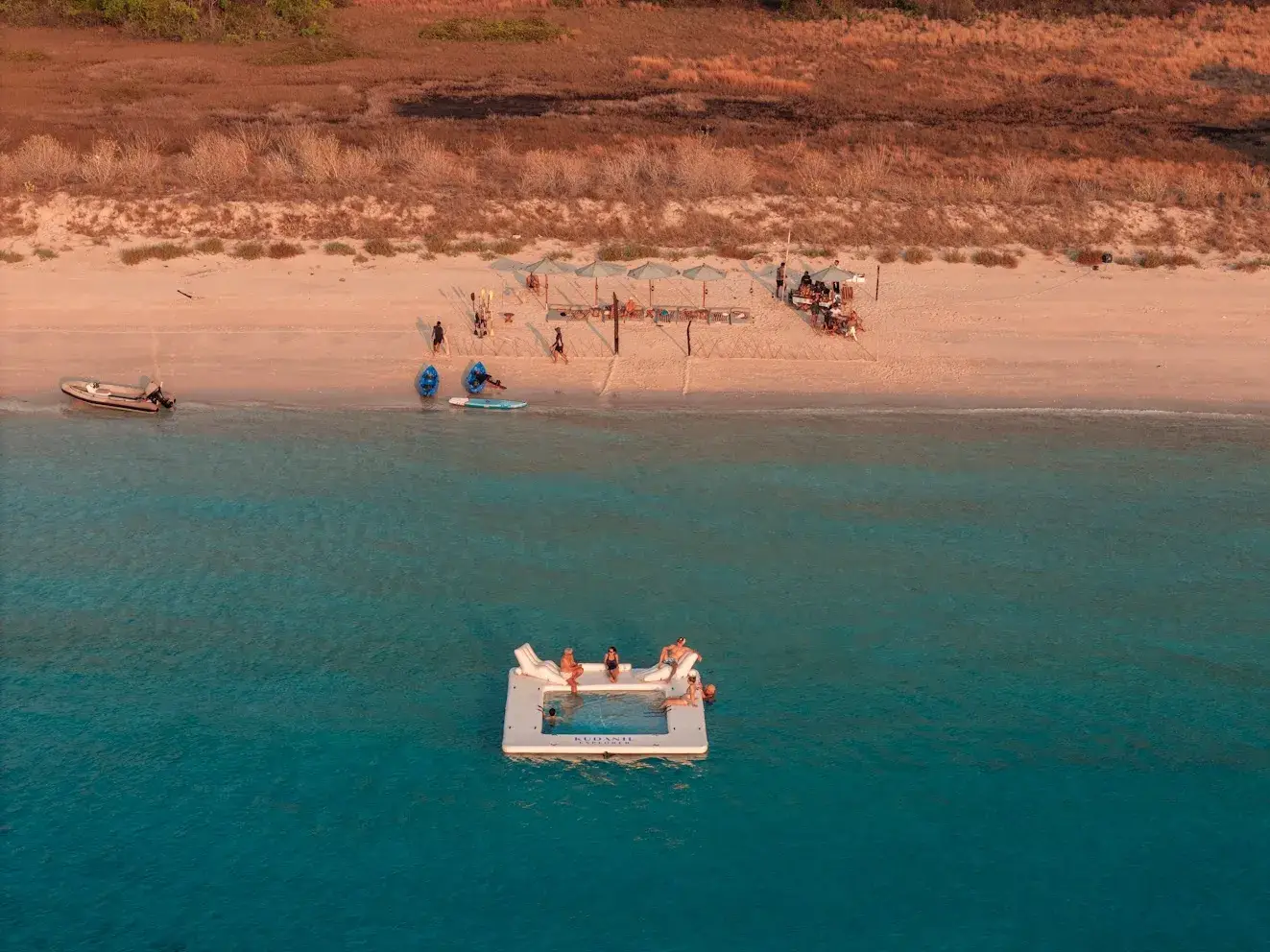
Banda Sea routes involve long open-ocean legs and some advanced dives, but they can still work for adventurous families and confident beginners on the right boat. Choosing a family friendly komodo liveaboard from bali that also offers Banda segments allows flexible planning: parents may dive seamounts while children enjoy snorkeling, kayaking and village visits.A komodo cruise for families often focuses first on calm bays, manta cleaning stations and dragon hikes. Then, families ready for more exploration can extend onto a small ship cruise Indonesia style across the Banda Sea, selecting itineraries with clear depth limits, optional guides and shallow reef options.Our advisors help match each group to an itinerary and vessel class, and can compare liveaboard diving bali package cost against longer Banda or Raja Ampat programs. For those unsure, starting with a shorter liveaboard bali to komodo trip in October (a popular month) is a practical test before booking a two-week Banda crossing.
- Typical Banda Sea liveaboard length: 10–12 nights with 3–4 dives per day, plus land excursions.
- Indicative Banda itinerary: Komodo/Alor – Manuk (Sea Snake Island) – Banda Neira – Run – Seram – Raja Ampat.
- Komodo marine park fees: around IDR 550,000 - 650,000 per day as of August 2026.
- Key seasons: Komodo April–November, Raja Ampat October–April, Banda crossings September–November & March–April.
- Deluxe, VIP and VVIP boat options available, from shared cabins to full-boat private charters.
- Domestic access: Bali–Labuan Bajo flights around 70–80 minutes; Sorong gateway for Raja Ampat and Banda.
- Documents: passport with at least 6 months validity and confirmed domestic flight tickets before embarkation.
In these waters
Banda Sea & Spice Islands Liveaboard Guide
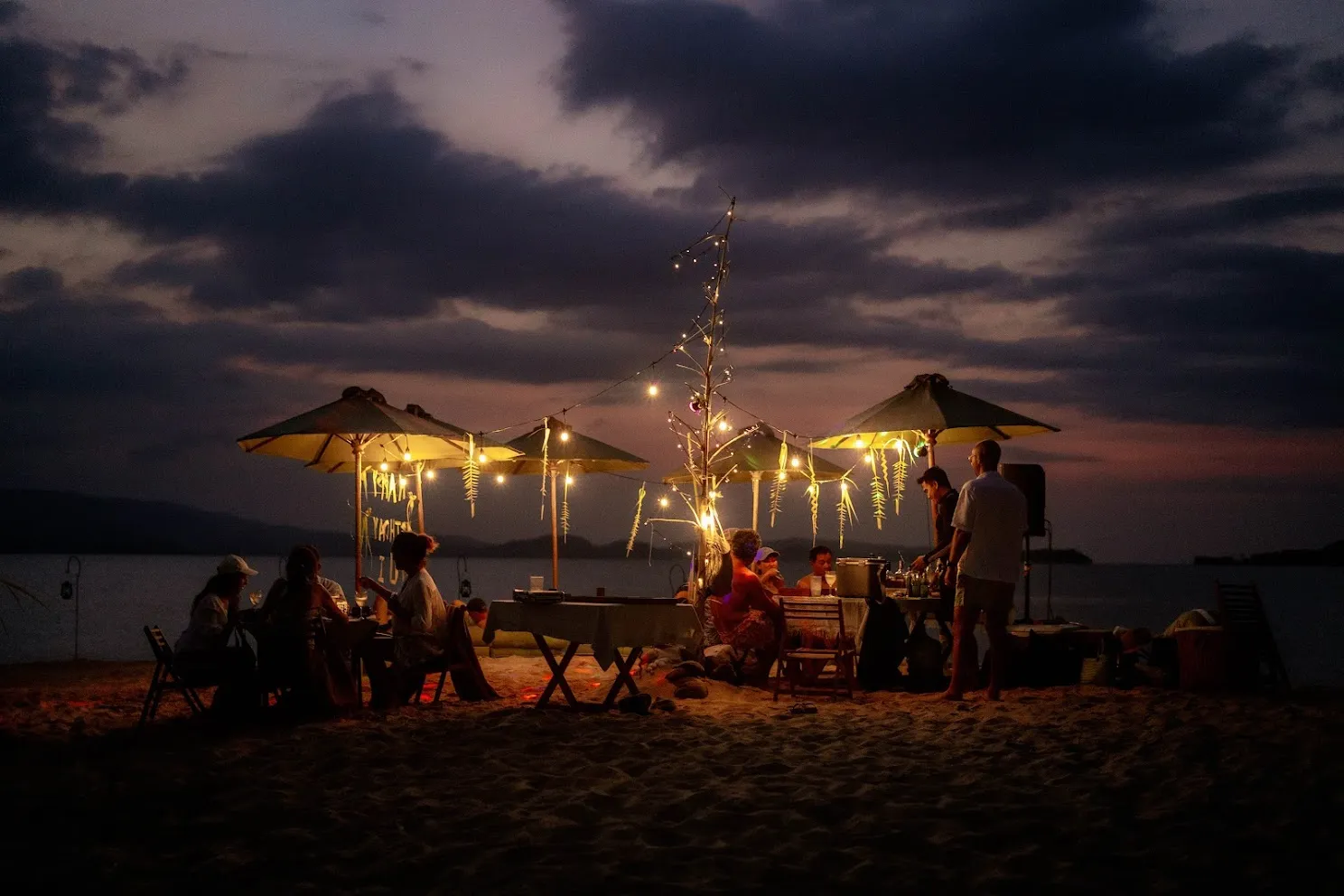
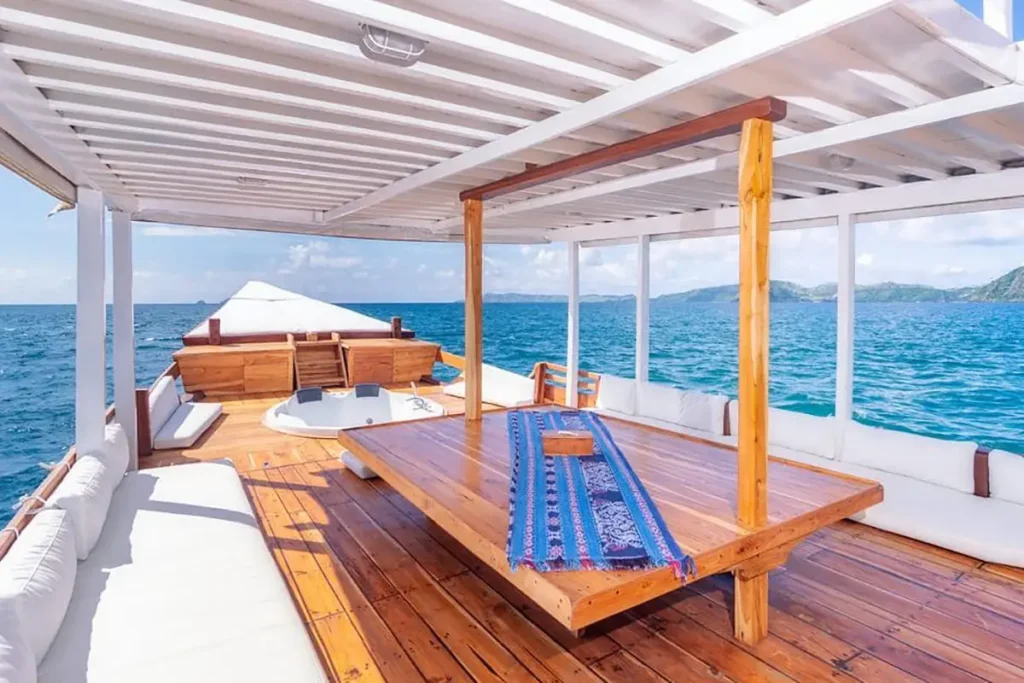
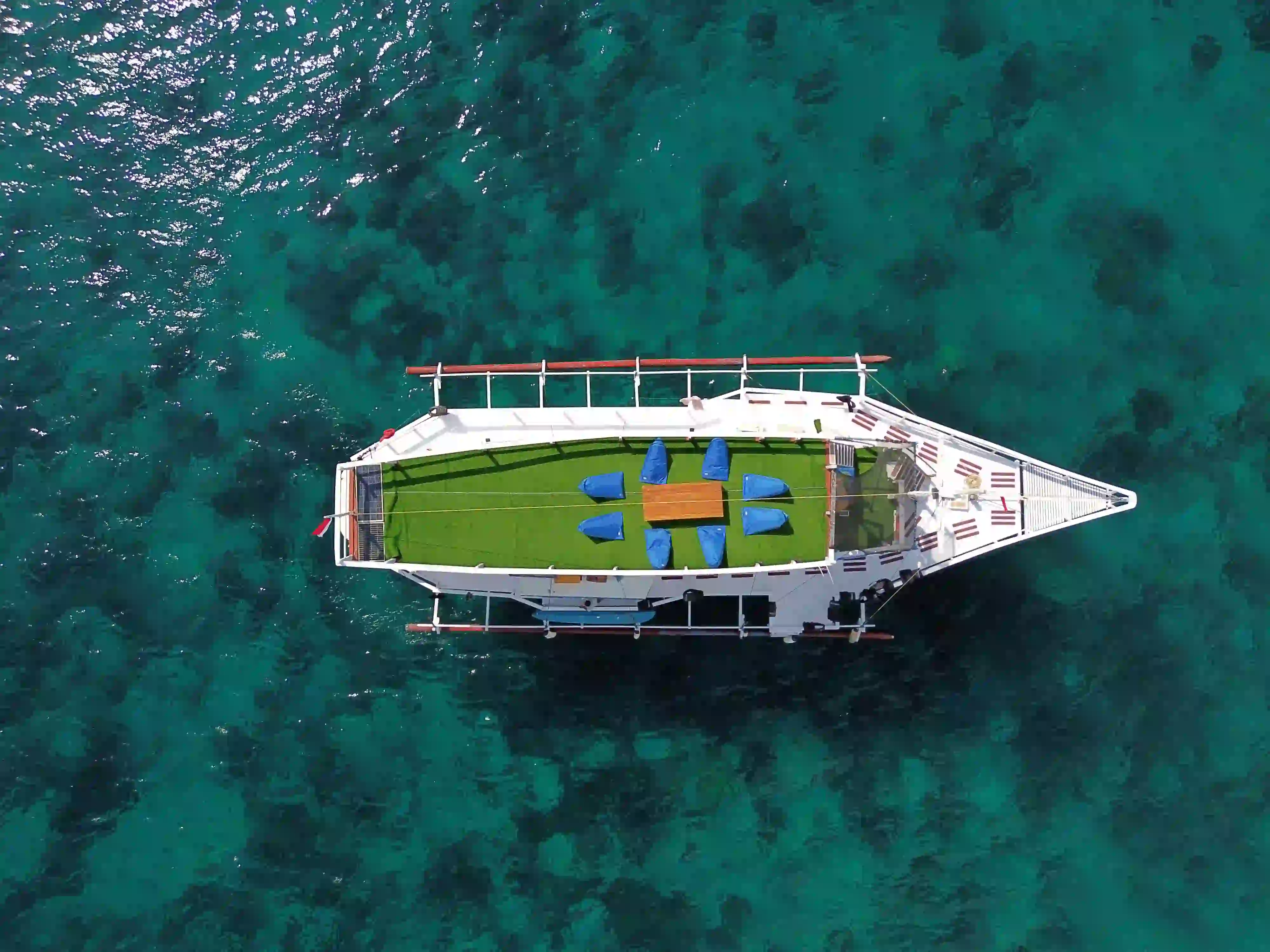
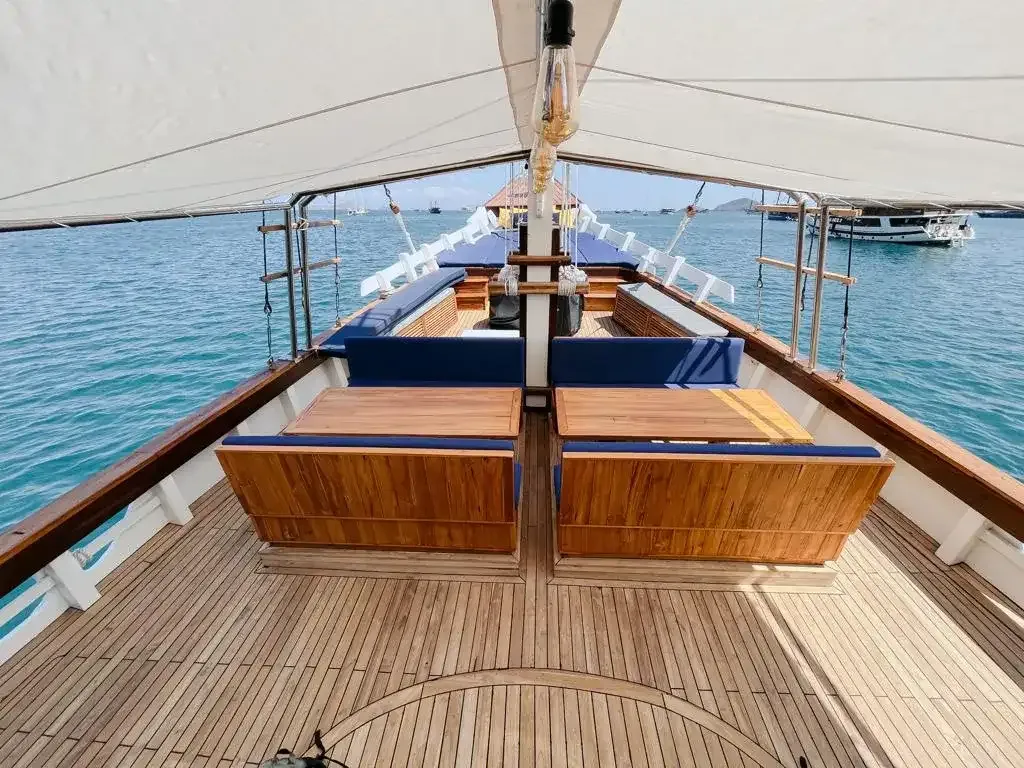

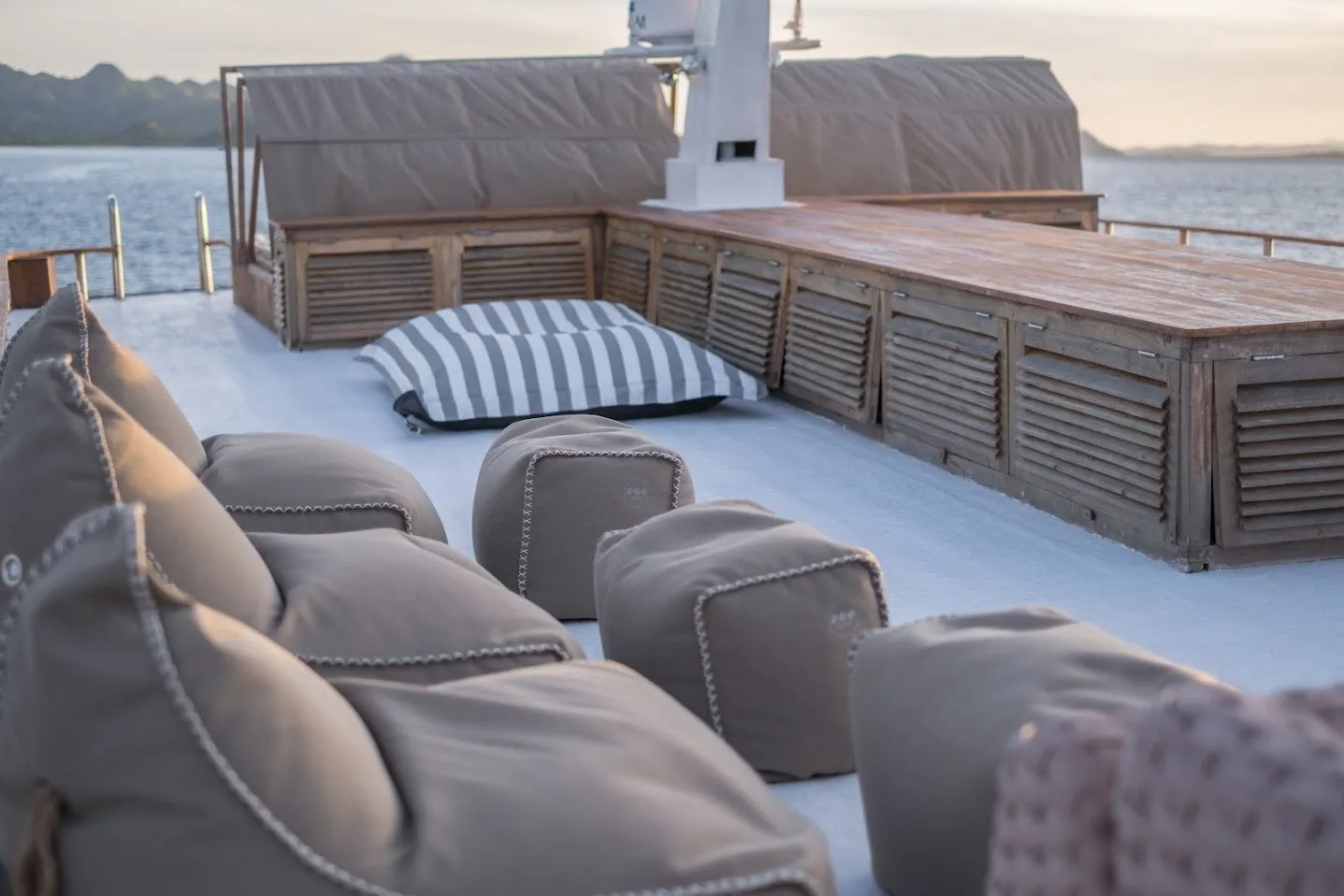
Photography from our own Komodo Luxury fleet and charters across the archipelago.
Answer-First FAQ
Frequently asked questions
The Banda Sea is typically dived during two calmer windows: September–November and March–April. These months offer smoother crossings and cooler upwellings that bring schooling hammerheads to the seamounts. Outside these periods, stronger monsoon winds and swell make long crossings less predictable, so most liveaboards move back to Komodo, Alor or Raja Ampat.
Schooling scalloped hammerheads in Indonesia are most reliably reported in the Banda Sea at remote seamounts like Nil Desperandum, Gili Manuk and surrounding reefs, with peaks around October. Smaller numbers also appear in parts of Alor and south Komodo. Planning travel around a Banda Sea crossing during the hammerhead season significantly improves your encounter chances.
Banda Neira was the heart of the world’s nutmeg trade in the 16th–17th centuries, heavily contested by European powers. Visitors can tour Fort Belgica, old Dutch houses, nutmeg plantations and historic graves while anchored in the harbor. Combined with excellent walls and macro diving, this makes Banda Neira uniquely rich in both culture and underwater life.
Many popular Banda Sea sites start on reef tops around 5–15 meters, dropping quickly along walls to 30–40 meters and beyond. Hammerhead encounters usually occur on reef edges between roughly 20–35 meters. Liveaboards set depth limits based on certification and experience, and newer divers can stay shallower on protected reefs and jetty sites.
A range of Indonesian phinisi and yacht operators schedule Banda Sea crossings during fleet relocations between Komodo, Alor and Raja Ampat, often marketed as ring of fire or spice route cruises. Availability is limited because many boats offer only a few departures per year. Comparing komodo liveaboard availability and Raja Ampat schedules helps secure spots on these high-demand crossings.To compare itineraries, banda sea liveaboard price range and options from Bali to Komodo or Raja Ampat, contact the Komodo Luxury desk via WhatsApp 628113823875 or email sales@komodoluxury.com for tailored advice and the best time to book komodo liveaboard for best price, Raja Ampat or Banda crossings.
Tell us your month
We’ll ladder the routes — quote within office hours
Fastest is WhatsApp — a real charter desk, not a bot. Or send the short form and we reply by email with windows, vessels and an itemised fare plank for your month.