Ambon & Moluccas Liveaboard — Muck To Blue Water
Ambon liveaboard itineraries focus on Ambon Bay’s legendary muck diving plus blue-water walls and Banda Sea connections
Ambon liveaboard itineraries focus on Ambon Bay’s legendary muck diving plus blue-water walls and Banda Sea connections, typically 7–11 nights between October and April. Expect 3–4 dives per day, including optional twilight and blackwater dives, with prices ranging roughly from USD 250–700 per person per night as of August 2026.
Why choose an Ambon liveaboard for muck and blue-water diving?
Ambon is one of Indonesia’s most diverse dive hubs, combining critter-rich muck sites in Ambon Bay with clear walls, seamounts and Banda Sea pelagic encounters. Within a short radius of Ambon city you can dive black sand slopes, jetties, and outer reefs that regularly appear in macro photography books and magazines.
The bay is famous for rhinopias, psychedelic-pattern frogfish, harlequin shrimps and rare cephalopods. Just outside the bay, sites like Pintu Kota and the south coast ridges offer dramatic topography and schooling fish in 20–40 m visibility. Many Banda Sea crossing routes include Ambon either at the start or end of the trip, using it as a macro-focused counterpoint to hammerhead and reef dives further offshore.
Compared with a typical komodo island liveaboard that concentrates on current and big fish, Ambon trips are curated for photographers and macro lovers, with longer bottom times and night dives designed to hunt for the weird and wonderful. Twilight and blackwater dives are often scheduled on calm evenings during the peak season.
When is the best season to dive Ambon and how does it fit the Indonesia liveaboard calendar month by month?
Ambon’s primary liveaboard window is October–April, aligning with the Raja Ampat and Banda Sea seasons in the broader best time liveaboard indonesia guides operators use. During these months, winds are generally lighter, and muck sites in Ambon Bay are more protected from swell.
From roughly September–November and again around March–April, many boats run Banda Sea crossings that start or finish in Ambon, pairing the bay’s macro scenes with blue-water hammerhead dives on isolated seamounts. This allows planning a trip that tracks the indonesia liveaboard calendar month by month alongside Raja Ampat, Alor and Komodo options.
Outside the October–April window, a few land-based operators remain active, but many liveaboards reposition. Guests comparing Ambon with the best time for komodo liveaboard (April–November) or Raja Ampat (October–April) often combine two regions in one extended holiday, using domestic flights between Ambon, Sorong, Labuan Bajo and Bali.
How do Ambon liveaboard prices compare with Komodo and Bali itineraries?
As of August 2026, Ambon-focused liveaboard rates typically range from around USD 250–350 per person per night for Deluxe vessels to USD 450–700+ for VIP and VVIP yachts, including full board, guide services and 3–4 dives per day. Park and harbour fees, fuel surcharges and flights are usually extra.
By comparison, Komodo Luxury’s Komodo shared open trip 3D2N itineraries start from USD 220 per person (weekday departures, 12–24 guests, meals, snorkeling gear and guide included, park fees excluded) as of August 2026. A private day yacht in Labuan Bajo for up to 6 guests starts at about USD 9,000 per group, while flagship VVIP charters can exceed USD 18,000 per night.
Travellers exploring bali liveaboard budget options or calculating bali komodo liveaboard cruise cost often use these Komodo benchmarks, then adjust upward for longer Banda crossings via Ambon. Komodo liveaboard price structures are a useful reference point because many operators use similar per-night tiers across regions.

How can Ambon fit into a wider island hopping cruise Indonesia holiday?
Ambon slots naturally into an island hopping cruise indonesia itinerary that includes Komodo, Raja Ampat, Banda and even Triton Bay. Domestic flights connect Ambon with hubs like Jakarta, Makassar and Sorong, allowing modular combinations of liveaboards and short hotel stays.
For couples planning an indonesia island cruise for couples or an exclusive yacht cruise indonesia for honeymoon, a popular pattern is: Bali stopover → komodo island cruise focused on dragons and manta rays → Ambon/Banda macro and hammerheads → a few quiet days in Raja Ampat or a triton bay liveaboard extension among soft corals and whale sharks.
Travellers already pricing an island hopping cruise bali price often discover that a short Ambon add-on requires only one domestic flight change plus a few extra days. Combining regions can provide both the best island hopping cruise in Indonesia feeling and niche highlights like Ambon Bay’s legendary muck.
Is it possible to link Ambon trips with Bali and Komodo liveaboards?
Most guests reach Ambon via Jakarta or Makassar, but combining Ambon with Bali and Komodo is straightforward. A typical itinerary might use a Bali arrival, then the ~1h15m Bali–Labuan Bajo flight for a scuba liveaboard bali indonesia, followed by onward flights to Ambon for a second cruise.
For those asking “is there a liveaboard from bali to komodo?”, the answer is yes: there are through-cruises that start in Bali, call at Lombok and Sumbawa, then finish in Labuan Bajo. Similar logic applies to a senggigi to komodo liveaboard leg out of Lombok.
After a Komodo-focused komodo island hopping cruise, Ambon makes sense as the next macro-rich chapter. Guests reviewing indonesia liveaboard reviews with prices often decide to allocate one trip to current-swept reefs and dragons, and a second to critters and Banda crossings, adjusting their budget accordingly.
What type of diver gets the most from an Ambon liveaboard?
Ambon attracts experienced macro enthusiasts, photographers and divers comfortable with night diving. The bay’s muck sites can involve limited visibility and fine volcanic silt that rewards careful finning and patience. In return, the species list and behaviour displays are among the richest in Indonesia.
Outer-reef and Banda extensions suit those seeking a mix of macro and pelagics in a single voyage. A Banda Sea trip via Ambon may include hammerhead schooling seamounts, sea snakes and clear drop-offs in the same week as frogfish and rhinopias in the bay. This diversity makes Ambon a natural second or third Indonesian destination after a first-time Komodo or Raja Ampat trip.
Divers already considering a komodo island cruise or planning the best time for bali to komodo liveaboard often target Ambon for a subsequent season, using guides such as a lombok liveaboard 2027 overview to chain regions in a multi-year plan.
- Typical Ambon liveaboard length: 7–11 nights, with 18–30 dives including night and optional blackwater dives.
- Peak Ambon/Banda window: October–April, aligned with Raja Ampat and complementary to Komodo’s April–November season.
- Approximate dive day structure: 3 day dives + 1 night dive, surface intervals 1.5–3 hours, depending on route.
- Komodo marine park fees as of August 2026: about IDR 300,000 per foreign diver per day, excluding ranger trekking fees.
- Komodo shared open trip 3D2N from Labuan Bajo: from USD 220 per person as of August 2026, park fees excluded.
- Day yacht Labuan Bajo (up to 6 guests): from USD 9,000 per group as of August 2026; VVIP charters can exceed USD 18,000 per night.
- Liveaboard Bali by Komodo Luxury operates as part of Juara Holding Group, connecting Ambon, Komodo, Raja Ampat and Eastern Indonesia routes.
Ambon & Moluccas Liveaboard — Muck To Blue Water
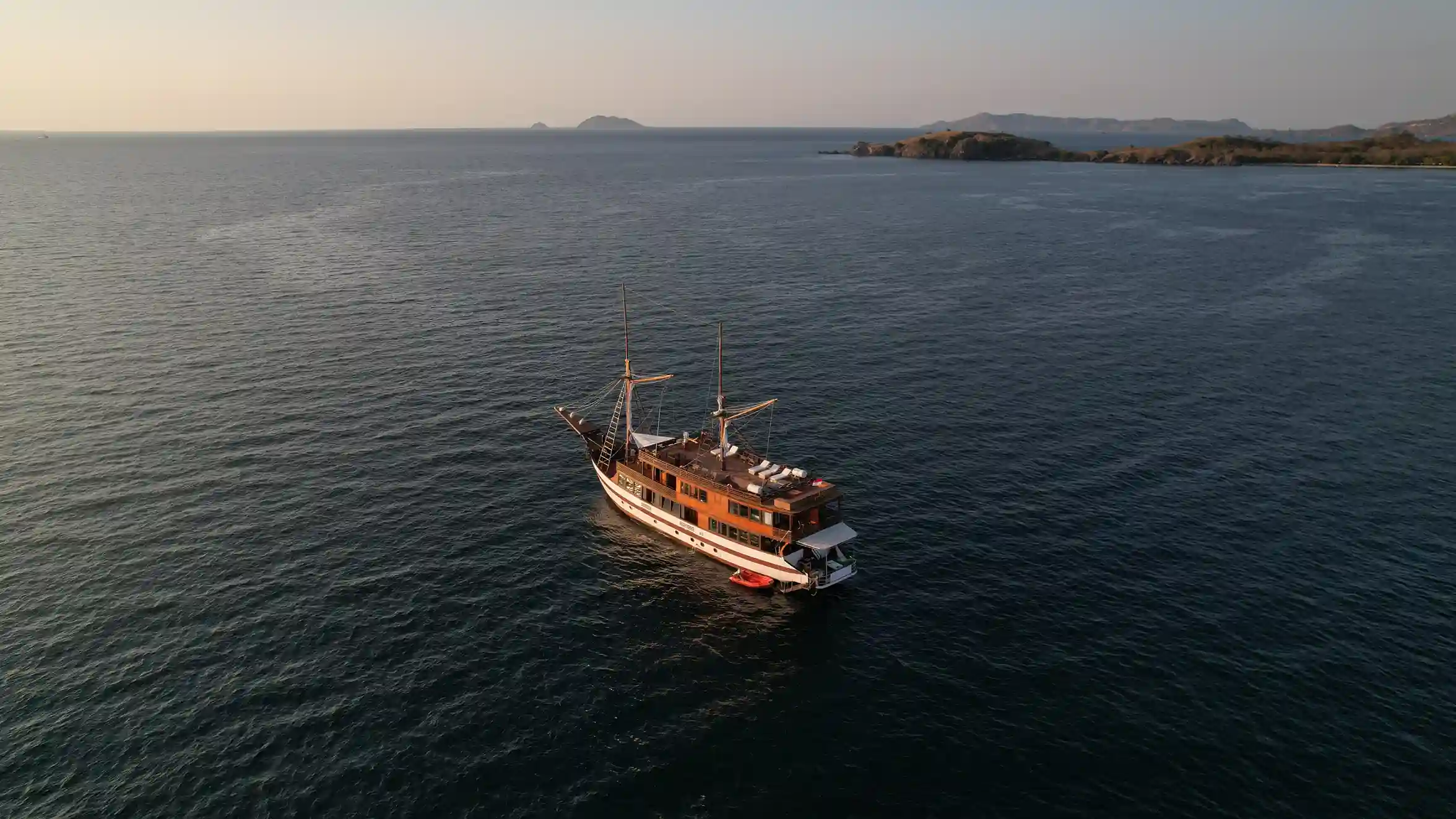
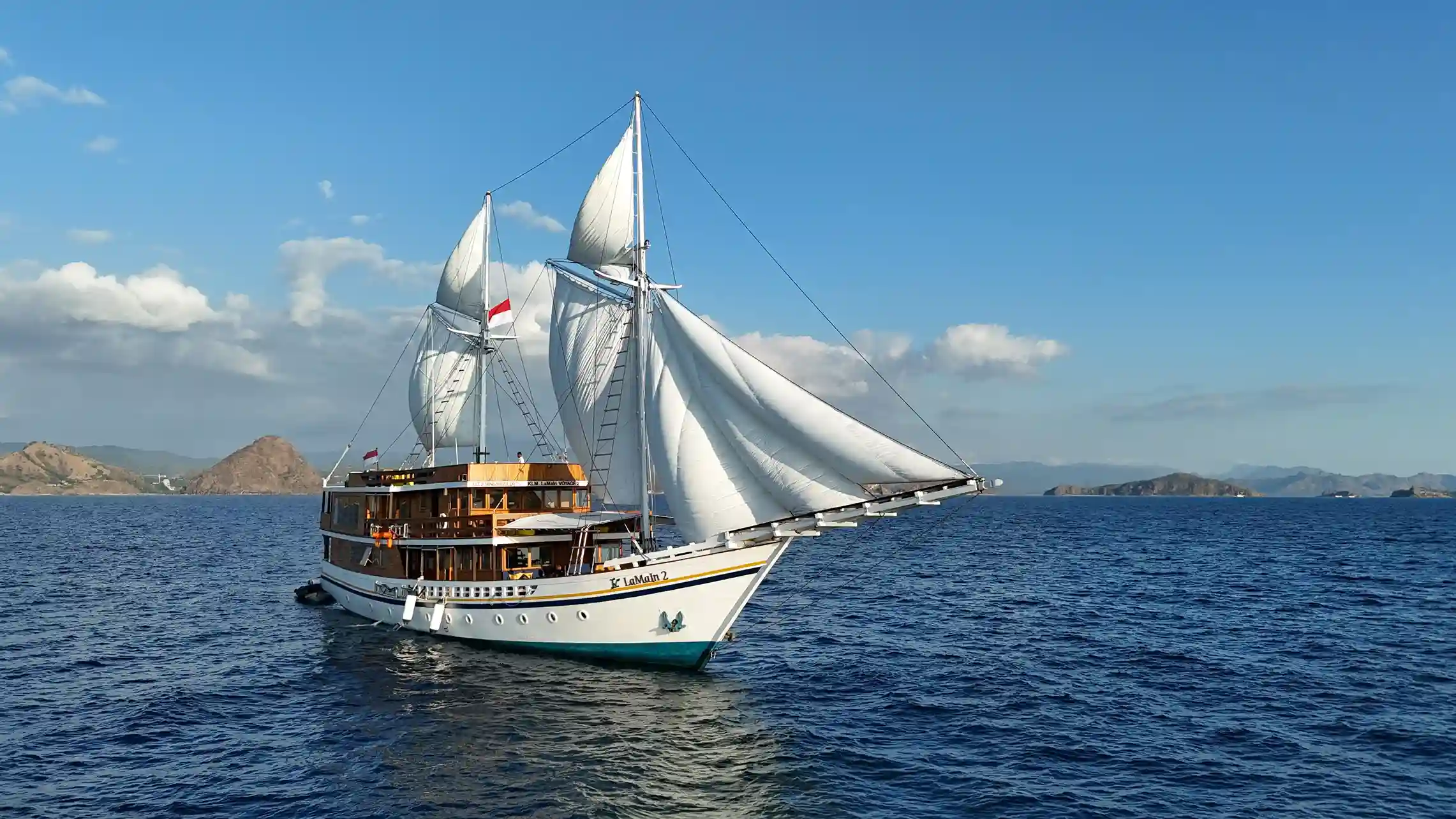
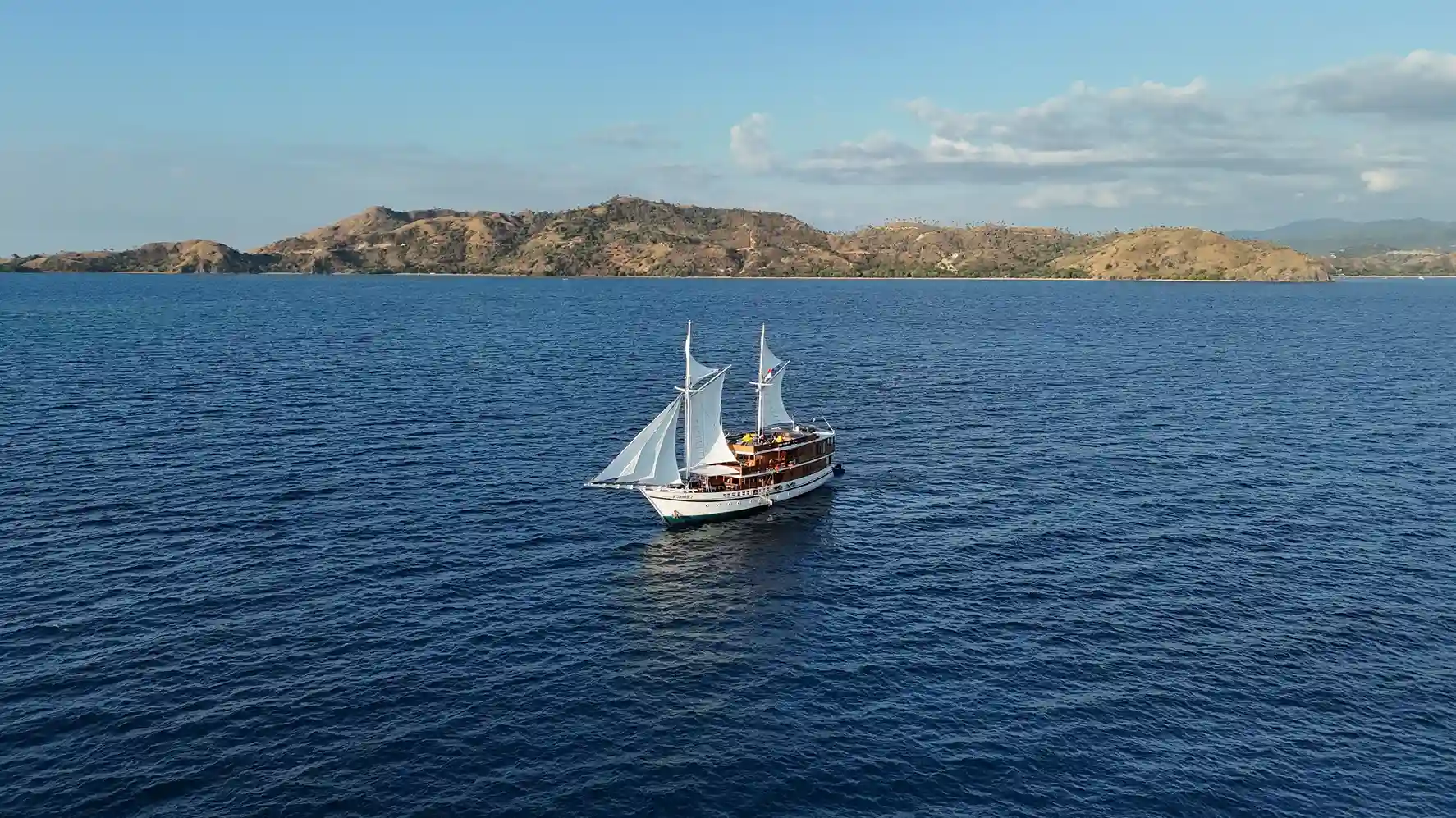
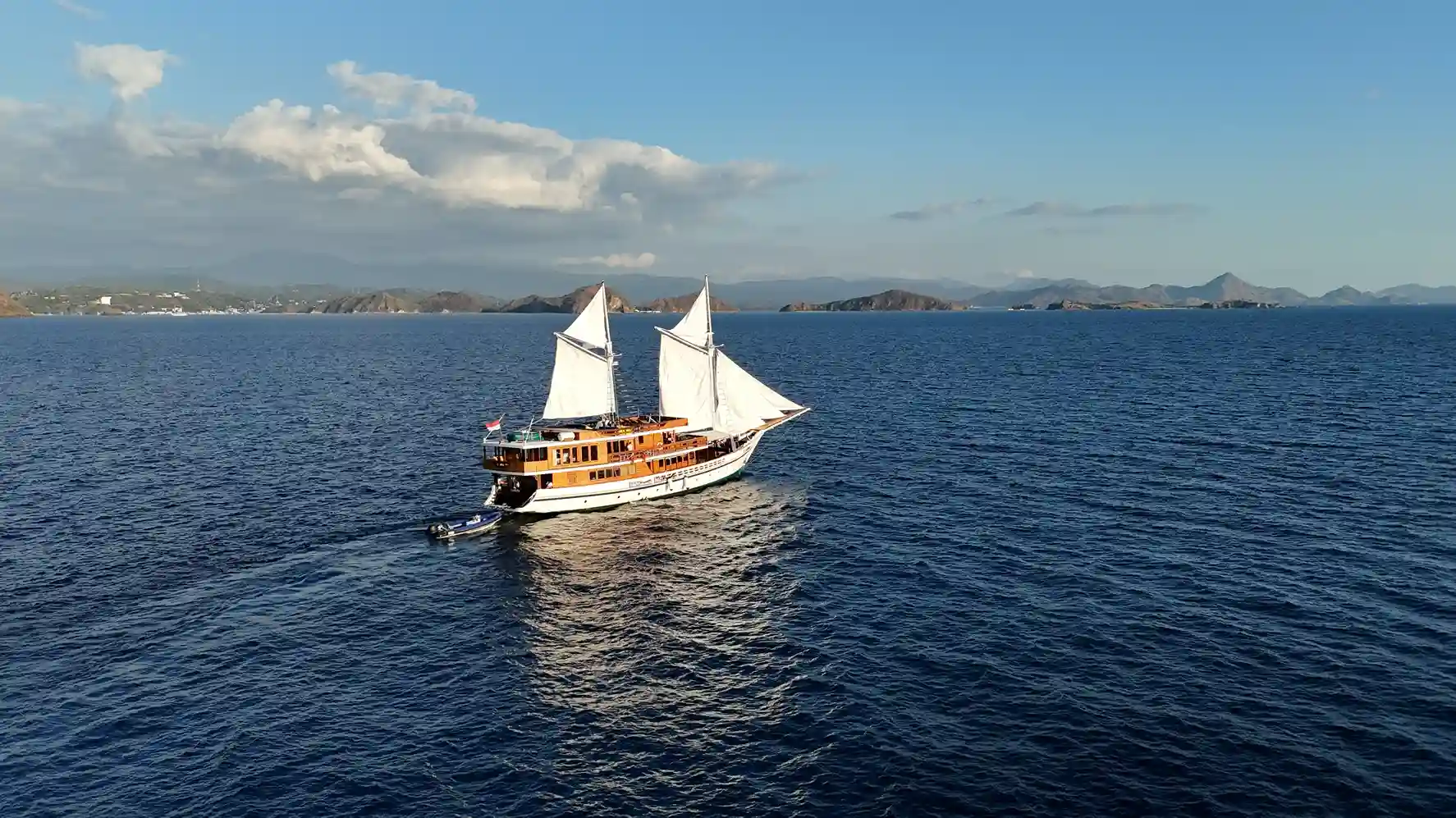
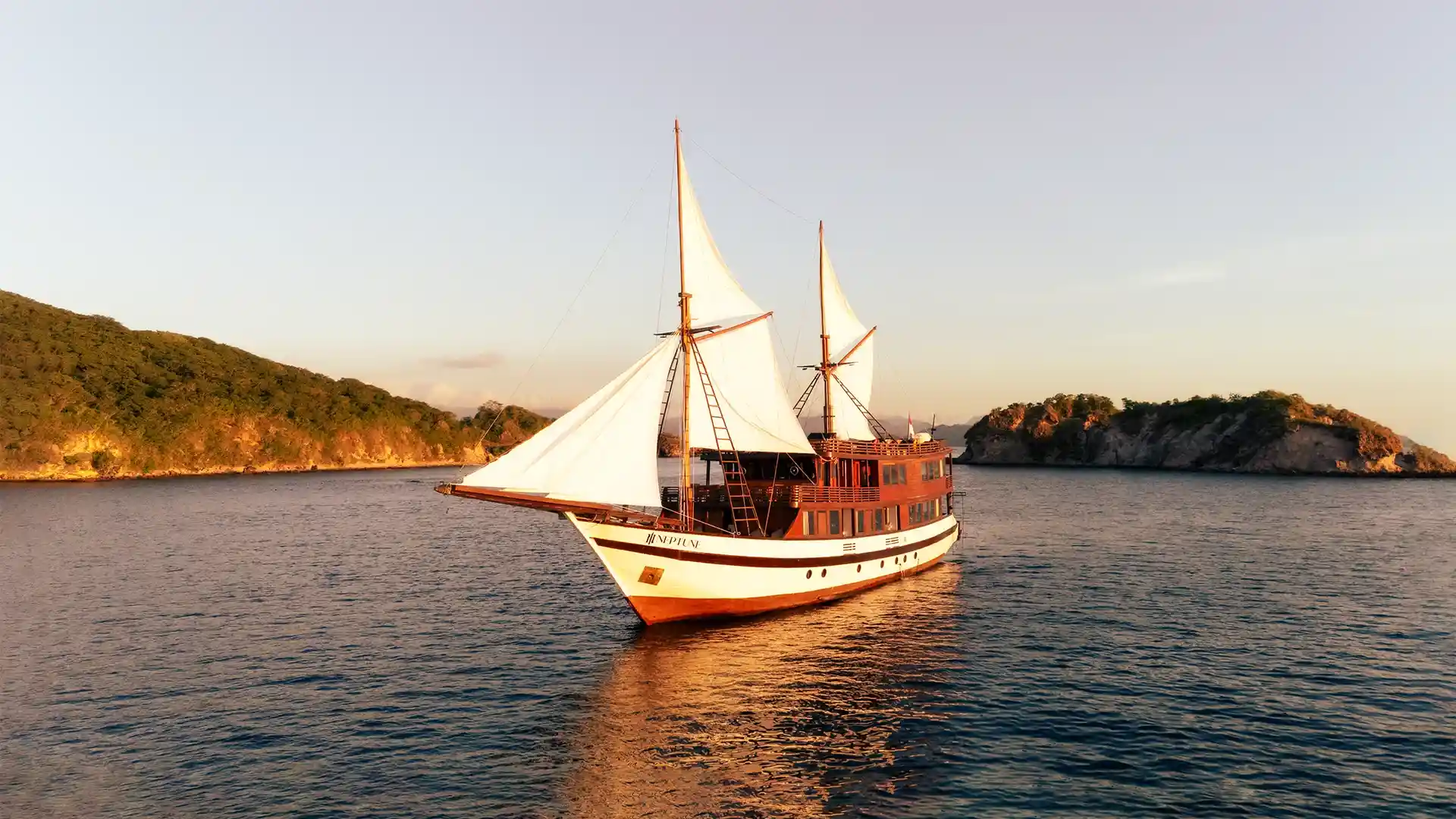
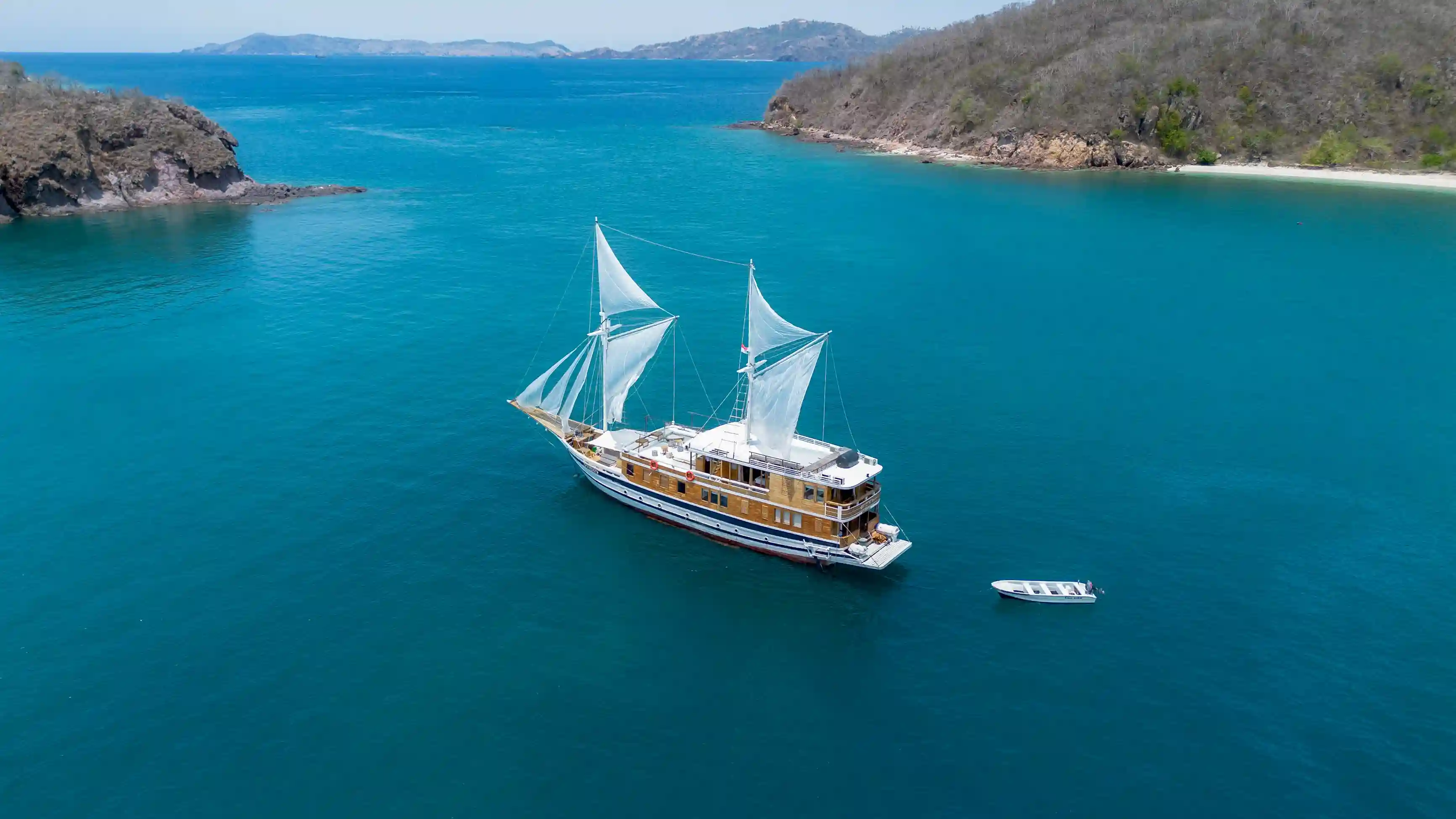
Photography from our own Komodo Luxury fleet and charters across the archipelago.
Frequently asked questions
Muck diving in Ambon centres on dark sand slopes, harbor jetties and calm bays where critters thrive in seemingly barren terrain. Visibility is often 5–15 m, with easy conditions but fine silt that demands good buoyancy. Guides move slowly, using torches to reveal frogfish, ghost pipefish, shrimps and octopus that hide in debris and algae.
Ambon Bay is renowned for rhinopias, multiple frogfish species (including psychedelic-pattern individuals), harlequin and tiger shrimps, blue-ring and mimic octopus, ghost pipefish, rare nudibranchs and unusual eels. Some jetties regularly produce hairy shrimps and tiny squid. The combination of volcanic sand, nutrient-rich water and limited swell creates ideal conditions for macro specialists.
The most reliable period to dive Ambon by liveaboard is October–April, aligning with Banda Sea crossings and Raja Ampat operations. During these months, wind is generally lighter and sea conditions inside the bay are calmer. Limited operations continue outside this window, but many vessels reposition to match wider seasonal patterns across Eastern Indonesia.
Yes, Ambon is both a start and end point for many itineraries. Boats often embark guests in Ambon for Banda Sea crossings, ending in destinations like Maumere or Sorong, or do the reverse. Some schedules also operate Ambon–Ambon loops focused entirely on muck and nearby reefs, ideal for macro photographers wanting minimal transit time.
Ambon is one of the classic gateways to Banda Sea expeditions. Many 9–12 night itineraries include several days of muck in Ambon Bay followed by open-ocean crossings to the Banda Islands and offshore seamounts. This pairing offers a balance of rare macro life and blue-water hammerhead encounters in a single extended voyage.
For sample Ambon, Banda and Eastern Indonesia itineraries, contact the Komodo Luxury desk via WhatsApp 628113823875 or email sales@komodoluxury.com, or explore a dedicated triton bay liveaboard as your next step.
We’ll ladder the routes — quote within office hours
Fastest is WhatsApp — a real charter desk, not a bot. Or send the short form and we reply by email with windows, vessels and an itemised fare plank for your month.