
Derawan & Sangalaki — Kalimantan Liveaboards
Derawan Islands liveaboard cruises typically run 6–10 days, combining Sangalaki’s manta cleaning and feeding stations, Kakaban’s stingless jellyfish lake
Derawan Islands liveaboard cruises typically run 6–10 days, combining Sangalaki’s manta cleaning and feeding stations, Kakaban’s stingless jellyfish lake, Derawan’s turtle nesting beaches and Maratua’s drop-offs in one itinerary. Most trips use Berau (East Kalimantan) as the gateway, with domestic flights from Jakarta or Bali via Balikpapan.
Why choose a Derawan Islands liveaboard instead of staying on one island?
A derawan islands liveaboard links four distinct marine environments in a single route: mantas at Sangalaki, jellyfish at Kakaban, turtles at Derawan and pelagic walls at Maratua. Doing this by local boats and island stays takes multiple days of transfers; a liveaboard covers the loop efficiently, often 700–900 km in 7 nights.
On a typical Indonesia liveaboard scuba safari 7 nights itinerary, divers might log 18–22 dives, including dusk and night dives on Maratua’s channels and walls, which are difficult to reach from shore operations. Snorkellers can still enjoy manta encounters at Sangalaki and Kakaban’s inner lagoon. This combination is one reason many guests planning Komodo or lembeh liveaboard trips also ask about adding Derawan as “the different Borneo side” of Indonesia.
Compared with more crowded routes, East Kalimantan sees fewer boats, so guests often share mantas and turtles with only a few other groups. For experienced divers who have already visited Komodo or Raja Ampat, Derawan offers variety without repeating the same signature sites.
What do you actually see at Sangalaki, Kakaban, Derawan and Maratua?
Sangalaki is known for manta rays feeding and cleaning around the sandy slopes and coral heads. Plankton-rich conditions draw them in, with several operators reporting frequent encounters around new and full moons when currents are stronger. Divers and snorkellers often observe barrel-rolling feeding behaviour in shallow water.
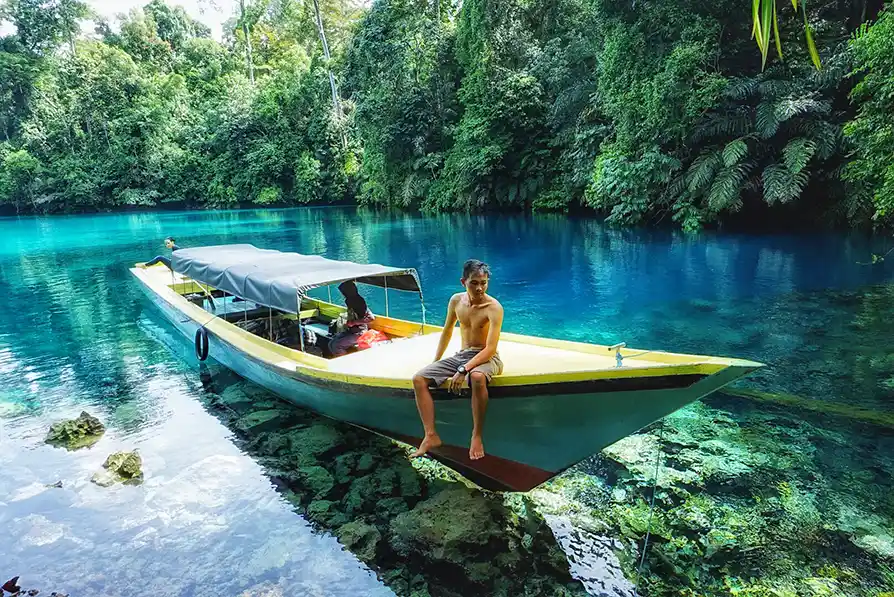
Kakaban holds one of Indonesia’s rare marine lakes with stingless jellyfish. The lake formed in an uplifted coral atoll and is filled with trapped seawater. Over time, jellyfish evolved with reduced stinging cells. Access is via a short jetty and boardwalk, with life jackets usually required by boat rules for snorkellers in the lake.
Derawan Island’s beaches are an important nesting site for green turtles, with eggs laid at night and hatchlings often emerging around sunset or after dark. Maratua, an atoll with a deep central lagoon, offers walls dropping to 30–40 m and channels where schooling barracuda and trevally are regularly recorded. This mix of macro, pelagic and unusual environments sets Derawan apart from more single-style destinations like pure muck at Lembeh or the wide area itineraries of the Banda Sea and forgotten islands 2027 crossings.
How much does a Derawan liveaboard cost and what affects the price?
Pricing for Derawan and Sangalaki cruises varies by boat class, season and cabin type. As of August 2026, a budget liveaboard indonesia cabin in this region might start around USD 180–250 per person per night, based on twin-share, with simple ensuite cabins and set menus. Mid-range and luxury vessels can climb to USD 350–700+ per person per night for larger cabins and upgraded service.
These benchmarks sit between a komodo liveaboard budget price (often from around USD 150–220 per person per night as of August 2026) and premium routes like Raja Ampat, where data from our raja ampat liveaboard cost 2027 guide shows wide variations depending on hull type and amenities. Family liveaboard indonesia price calculations also depend on child discounts and private charter options, which can reduce the effective per-person rate for small groups.
Guests should also factor indonesia liveaboard extra charges such as park fees, port fees, fuel surcharges and rental gear. In Komodo, national park and harbour charges can reach roughly USD 18–24 per diver per day as of August 2026. East Kalimantan fees are usually lower but still meaningful; final numbers depend on the exact route and any new local regulations, so confirmation with the chosen boat is essential.
Is a Derawan liveaboard suitable for non‑divers and families?
Many visitors ask: is liveaboard indonesia good for non divers? Around Derawan, the answer is often yes, because signature activities like turtle watching, Kakaban jellyfish lake and manta encounters at Sangalaki are accessible to confident snorkellers. This makes the area comparable to some bali liveaboard for non divers and komodo liveaboard for non divers itineraries with mixed groups.
A well-designed indonesia liveaboard for non divers will schedule multiple land excursions: village walks on Derawan, beach time, jellyfish lake visits and sandbar stops. For families, calm inner-lagoon snorkelling at Kakaban and certain parts of Maratua can be more comfortable than exposed sites in open channels. Boats may arrange flexible dive/snorkel splits so non-divers join surface activities instead of deeper dives.
Guests comparing options often ask: can non divers join a liveaboard in indonesia and which route is the best liveaboard indonesia for non divers? Derawan ranks high because several headline experiences are at or near the surface. For those preferring more cruising and scenery, some operators combine Borneo segments with broader indonesia ring of fire liveaboard cruise itineraries to showcase volcano-lined coasts as part of the journey.
How does Derawan compare with Komodo, Bali and Ring of Fire cruises?
Derawan is less busy than Komodo and Bali but requires more time to reach. Many divers still start in Bali, combining a short regional flight with a komodo liveaboard booking before continuing to Borneo or Raja Ampat. Flight time Bali–Labuan Bajo is about 1 hour 10–20 minutes, while Bali–Balikpapan connections onward to Berau usually involve a change of planes.
Comparing komodo liveaboard vs speedboat, the same logic applies in East Kalimantan: day trips may reach one island, but liveaboards efficiently cover greater distances. Guests planning a bali to komodo liveaboard april trip often look at weather windows; Komodo’s better season is April–November, while Derawan is more flexible but can see increased rain around monsoon peaks. This makes back-to-back itineraries feasible for multi-week holidays.
Those searching for the best indonesia cruise for non divers sometimes combine cultural stops with sea days on broader indonesia ring of fire liveaboard cruise routes that include active volcano views and multiple island groups. Derawan adds a “remote” feel to such plans, contrasting with more developed hubs. For value-focused travellers, a budget liveaboard indonesia circuit across two regions can still be comparable in price to separate shorter trips, once regional flights and hotel nights are counted.

How do you plan and book a Derawan or Komodo liveaboard from abroad?
Planning usually starts 6–12 months ahead. How far in advance to book komodo liveaboard space depends on season: peak July–September often fills 9–12 months ahead, while shoulder months may still show cabins 4–6 months before departure. Derawan sees fewer boats and slightly more last-minute availability, but key holiday weeks still sell out early.
For route combinations, some guests allocate one week to Derawan and one to Komodo or Raja Ampat. A bali to komodo liveaboard price for 3D2N open trips can start from around USD 220 per person as of August 2026 for weekday departures, excluding park fees, while private yachts in Labuan Bajo can exceed USD 9,000 per day for small groups. Longer Derawan itineraries increase cost but add dive and snorkel days without repeated hotel check-ins.
To keep planning manageable, many travellers compare two or three core options: a focused Derawan cruise, a classic Komodo route, and sometimes a macro-centric lembeh liveaboard. Our team, operating Indonesian waters since 2015 as part of Juara Holding Group, helps map these routes into coherent, weather-appropriate schedules with transparent explanations of indonesia liveaboard extra charges and realistic travel times between hubs.
- Typical Derawan itineraries: 6–10 days round trip via Berau, including Sangalaki, Kakaban, Derawan and Maratua stops.
- Gateway: domestic flights to Berau via Balikpapan or other major hubs; transfer times vary by airline schedule.
- Sample dive count: 18–22 dives on a 7‑night cruise, including at least one night dive, weather permitting.
- Non-diver highlights: manta snorkelling, Kakaban jellyfish lake, turtle nesting walks and beach time.
- Indicative budget vessels: roughly USD 180–250 per person per night as of August 2026, excluding park/port fees.
- Extra charges to check: marine park fees, port fees, dive gear rental, fuel surcharges and optional tips.
- Common combo plans: Derawan plus Komodo, Raja Ampat or macro-focused North Sulawesi in a 2–3 week holiday.
Derawan & Sangalaki — Kalimantan Liveaboards
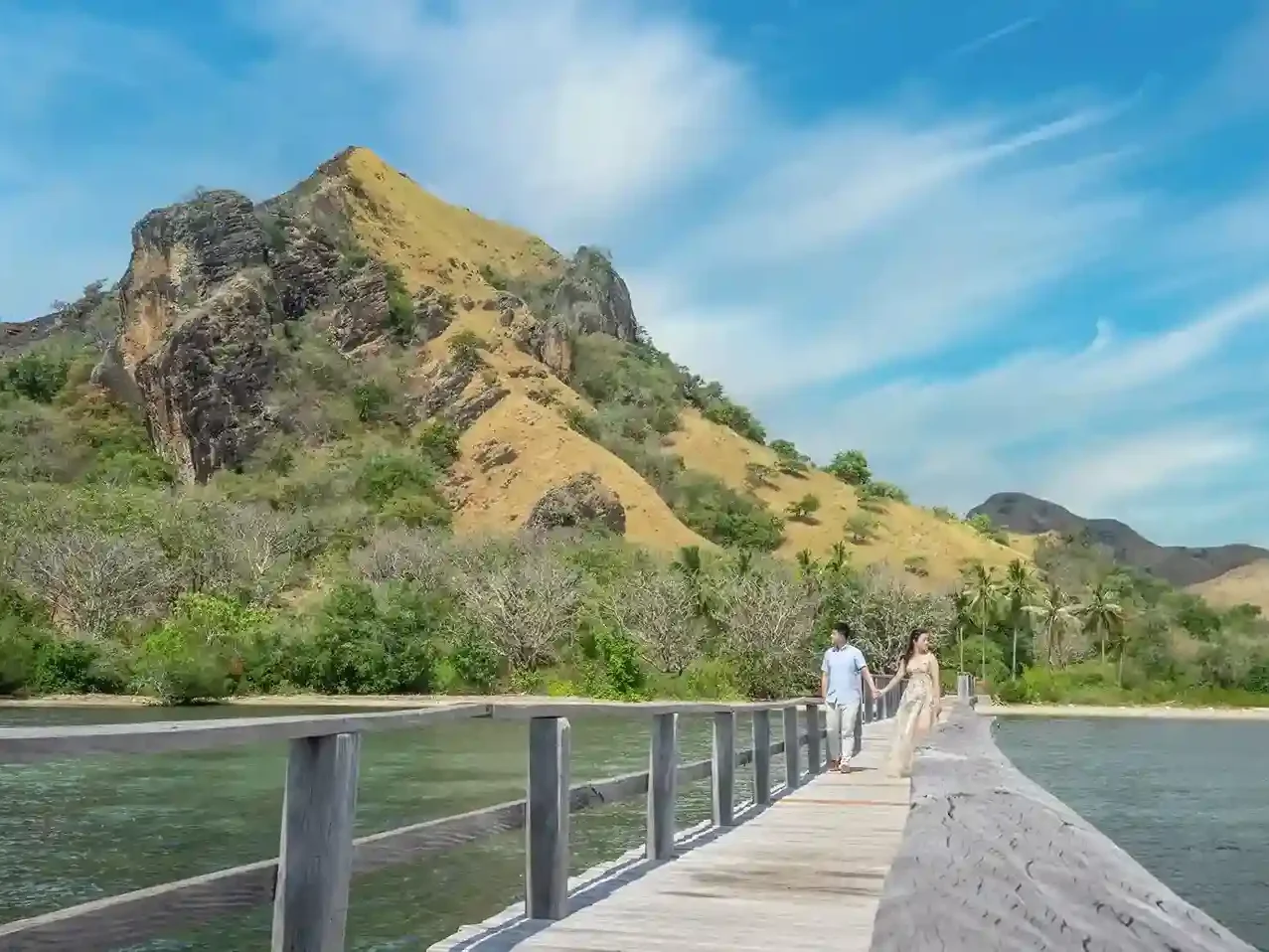
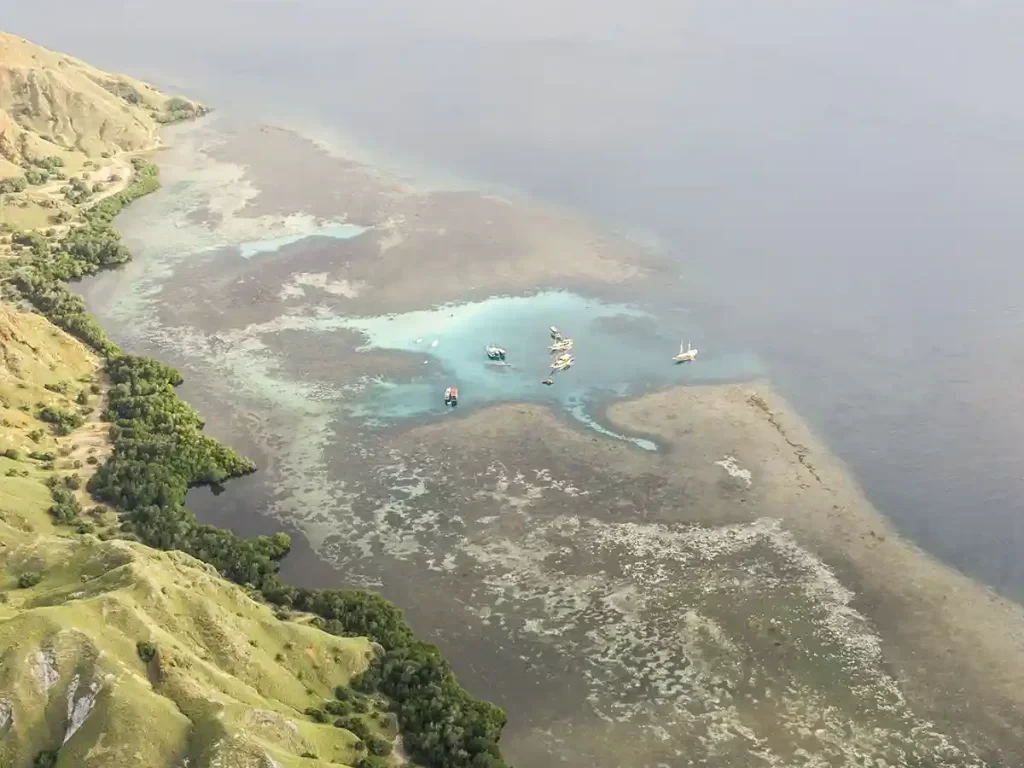

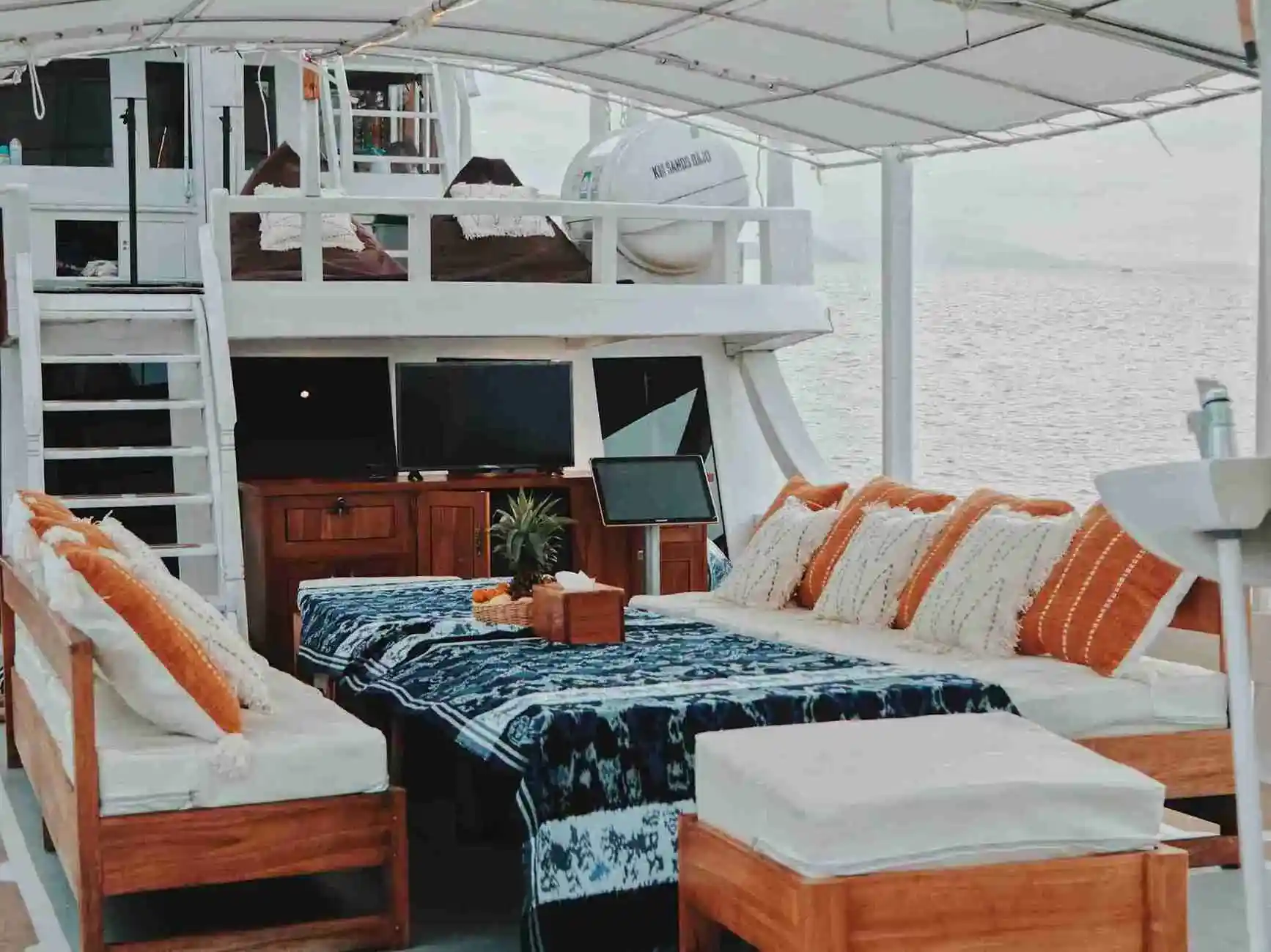


Photography from our own Komodo Luxury fleet and charters across the archipelago.
Frequently asked questions
Derawan Islands combine several distinct experiences in one compact area: manta encounters at Sangalaki, a stingless jellyfish lake at Kakaban, turtle nesting beaches on Derawan itself and deep drop-offs around Maratua. This variety, plus relatively low visitor numbers compared with Komodo or Bali, creates a sense of exploring a quieter side of Indonesian Borneo.
The stingless jellyfish lake is on Kakaban Island, part of the Derawan archipelago in East Kalimantan, Indonesia. The lake lies inside an uplifted atoll filled with trapped seawater. Access usually involves a short boat ride from a liveaboard or local island, followed by a boardwalk across the forest and a set of steps down to the water entry point.
Mantas at Sangalaki are linked to plankton-rich currents, so sightings can occur year-round, with higher activity often around stronger tidal exchanges. Many operators report regular feeding and cleaning behaviour near new and full moons, though exact timing varies with conditions. Early morning and late afternoon sessions are common for both divers and snorkellers.
Most visitors fly to Berau in East Kalimantan via domestic hubs such as Balikpapan or Jakarta, then transfer by car and boat to Derawan or direct to their liveaboard meeting point. Travel time depends on flight connections and road conditions, so planning at least half a day for transfers before and after the cruise is recommended.
Island hopping works for travellers with plenty of time who prefer staying ashore, but involves arranging multiple local boats to reach Sangalaki, Kakaban and Maratua individually. A liveaboard links all sites in one continuous route, maximising early and late-day access for diving and snorkelling while reducing packing, unpacking and daily transfer logistics.
To plan a Derawan, Komodo or mixed-route liveaboard, contact the Komodo Luxury desk via WhatsApp 628113823875 or email sales@komodoluxury.com for schedules, tailored options and current availability.
We’ll ladder the routes — quote within office hours
Fastest is WhatsApp — a real charter desk, not a bot. Or send the short form and we reply by email with windows, vessels and an itemised fare plank for your month.