North Sulawesi & Lembeh — Muck Capital Cruises
A Lembeh liveaboard is the most efficient way to log 20–25 macro‑focused dives in 7 nights across Lembeh Strait, Bangka and Bunaken.
A Lembeh liveaboard is the most efficient way to log 20–25 macro‑focused dives in 7 nights across Lembeh Strait, Bangka and Bunaken. Cruises run year‑round, with peak conditions from July to September, and are especially tailored for underwater photographers targeting rare critters like mimic octopus and hairy frogfish.
What makes a Lembeh liveaboard different from staying at a dive resort?
A Lembeh liveaboard places you directly over dive sites such as Nudi Falls, Hairball and TK, allowing up to four macro dives per day without long boat rides. On a typical 7‑night cruise, guests can expect 20–25 dives, many on black sand slopes ideal for slow, methodical critter hunting. This density of dive time is hard to match from shore-based operations.
Because Liveaboard Bali by Komodo Luxury operates across Indonesia as part of Juara Holding Group since 2015, itineraries are planned around seasonal critter peaks and currents. Boats reposition to North Sulawesi when macro life is at its busiest, mirroring how fleets alternate between Komodo (April–November), Raja Ampat (October–April) and Banda Sea transition periods. For serious macro enthusiasts and photographers, this mobile strategy offers a higher chance of finding rare subjects compared with static resort schedules.
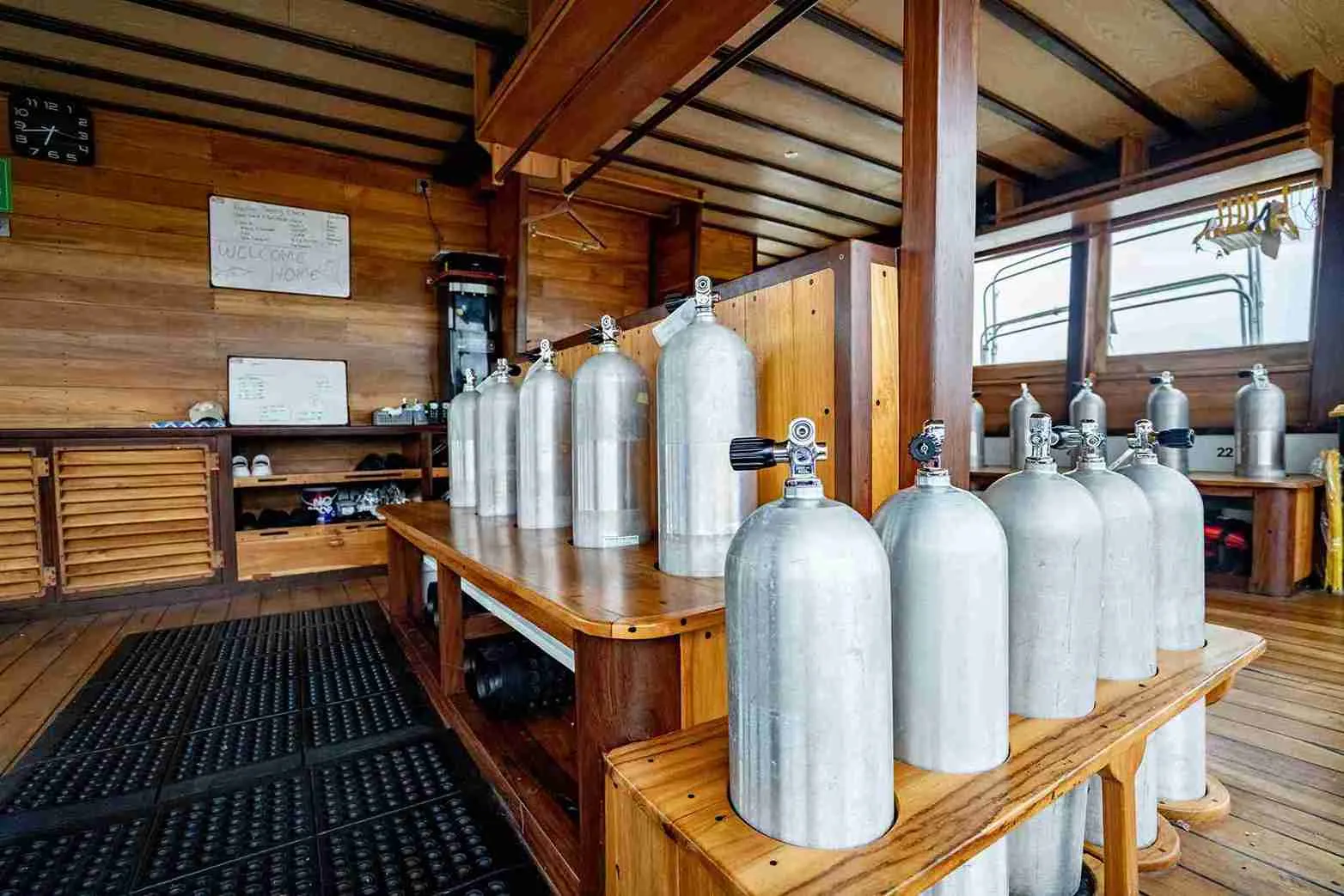
Another difference is onboard support. Dedicated camera tables, charging stations, and photo-friendly crew create an environment where editing, backing up footage and critter ID sessions can happen immediately after dives, instead of waiting to return to land. For guests comparing options by liveaboard Indonesia price, factoring in the extra dives and nitrox access is key.

How does one route cover Lembeh muck, Bangka reefs and Bunaken walls?
North Sulawesi itineraries typically embark and disembark in Manado, combining Lembeh Strait, Bangka Island and Bunaken National Park within 7–10 days. The distances are modest: Manado to Bunaken is about 30–45 minutes by speedboat, while Lembeh is roughly a 1.5–2 hour transfer from Manado’s harbour. This makes a loop itinerary logistically efficient.
Cruises often start with 2–3 days in Lembeh focusing on classic muck slopes for flamboyant cuttlefish, frogfish and mimic octopus. The route then arcs through Bangka’s soft-coral pinnacles, where colourful sea fans and schooling fish provide wide-angle contrast. Finally, the trip ends with Bunaken’s vertical walls, known since the 1990s for healthy sponges, turtles and deep drop-offs.
This north Sulawesi triangle is designed to parallel the diversity found on a one week Komodo liveaboard diving itinerary, but with macro as the primary theme. Guests experience three distinct habitats—muck, reefs and walls—without domestic flights in between, making the most of every day aboard.
Why do macro photographers rate Lembeh as “muck capital” of the world?
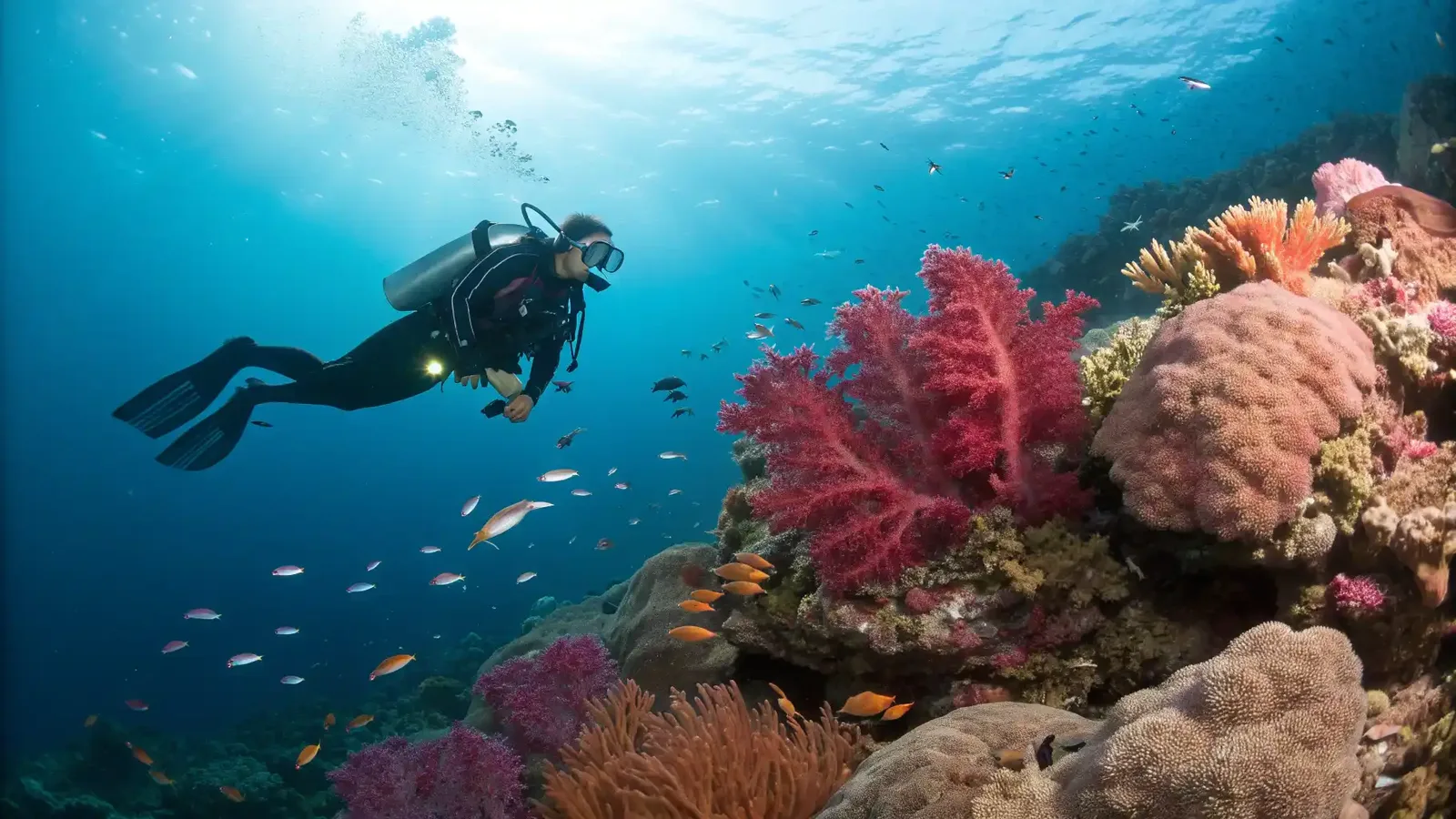
Lembeh’s reputation as muck capital comes from its unique combination of volcanic black sand, gentle slopes and year-round nutrient flow. Since the early 2000s, it has become a reference location in field guides such as “Reef Creature Identification – Tropical Pacific” for rare species like hairy frogfish, wunderpus and blue-ringed octopus.
On a typical 7-night lembeh liveaboard, photographers may encounter multiple octopus species, several frogfish varieties, ornate ghost pipefish and a host of nudibranchs on a single night dive. The dark substrate makes subjects stand out for super-macro compositions, while mild currents allow controlled, long exposures. Dedicated guides often carry pointer sticks and focus lights specifically to help photographers line up shots without damaging the environment.
For guests comparing Indonesia liveaboard for underwater photographers, Lembeh’s hit rate of unusual life is a critical factor. It offers a macro density comparable to Alor, yet with calmer conditions that suit meticulous shooting and repeated dives on the same site to perfect compositions.
When is the best season for Lembeh, Bangka and Bunaken cruises?
North Sulawesi is diveable year-round, but many operators highlight July–September as the sweet spot. During these months, the southeast monsoon typically brings slightly cooler water and rich plankton, which in turn attracts more critters. Visibility around Lembeh often ranges from 10–20 m, while Bunaken can reach 25–30 m on good days.
From November to March, conditions can be wetter with occasional stronger winds, but macro life remains excellent. Photographers who prioritise critters over flat seas often enjoy these shoulder seasons because boats and sites are quieter. The flexibility of operating across Indonesia’s different monsoon patterns—Komodo in the dry months, Raja Ampat in the wet, and North Sulawesi as a stable option—helps Liveaboard Bali ensure consistent operations.
Planning tools such as a raja ampat season 2027 overview show how Indonesian regions complement each other. For guests keen to pair Komodo or Raja Ampat trips with North Sulawesi, this seasonality allows back-to-back expeditions in a single long holiday.
How do Lembeh trips compare with Bali and Komodo liveaboards on price and style?
Lembeh cruises generally sit in a similar price band to Bali and Komodo trips of comparable class. As of August 2026, shared Komodo open trips of 3 days/2 nights start from around USD 220 per person excluding park fees, while mid-range 7‑night charters in various regions often fall into a higher bracket depending on cabin type and season.
Guests researching bali liveaboard and bali liveaboard reviews often notice that Komodo routes include additional costs such as marine park fees of around IDR 300,000 per diver per day, ranger trekking fees, and optional nitrox surcharges. Lembeh and North Sulawesi do not have such specific Komodo park fees, so budgeting is more straightforward. However, nitrox cost on Indonesia liveaboard trips in any region typically adds a per-tank or per-trip supplement.
For couples considering honeymoon liveaboard Indonesia price ranges, private cabin upgrades and full-boat charters in North Sulawesi can be more economical than VVIP yachts in Komodo or Raja Ampat, where flagship rates can exceed USD 18,000 per night as of August 2026. Detailed comparisons are available on our liveaboard indonesia price page, including how costs vary by season and vessel class.
Can Lembeh itineraries suit beginners, eco‑minded travellers and those coming from Bali?
Lembeh’s shallow, low‑current slopes make it suitable for confident beginners, especially those interested in macro. Compared with some Komodo sites known for stronger currents, North Sulawesi is generally more forgiving. For divers exploring liveaboard bali for beginners, a sequence of Bali check dives followed by a Lembeh macro cruise can be a sensible progression.
Eco‑minded guests seeking a bali eco liveaboard style of operation also appreciate that macro diving emphasises slow movement, careful buoyancy and limited finning. Many vessels adopt refillable bottles, reduced single-use plastics and reef-safe sun protection policies across Indonesian routes, including North Sulawesi and Wakatobi liveaboard 2027 style itineraries.
Travel from Bali is straightforward: daily flights connect Denpasar (DPS) with Manado (MDC) via major Indonesian carriers, often with one short stop. For guests already considering bali to komodo liveaboard june departures, it is practical to add a North Sulawesi leg before or after, making full use of regional flight networks across Eastern Indonesia.
- Typical 7–10 night Lembeh–Bangka–Bunaken routes with 20–30 dives, including up to 3–4 night dives.
- Sample Komodo reference: bali to komodo yacht price charters can range widely from cheap liveaboard komodo from bali options to VVIP yachts above USD 18,000 per night as of August 2026.
- Shared Komodo open trips from USD 220 per person (3D2N, weekday departures, as of August 2026) used as regional pricing benchmark.
- Nitrox usually available on most Indonesia vessels at a per‑tank or per‑trip surcharge, varying by boat and season as of August 2026.
- Standard inclusions often cover accommodation, meals, diving, guide services and local transfers; park and port fees are usually excluded.
- Guests are advised to check what is included in komodo liveaboard vs North Sulawesi trips, as inclusions can differ by operator and vessel class.
- Typical documents: passport with 6‑month validity, proof of dive certification and recent dive log; travel insurance strongly recommended.
North Sulawesi & Lembeh — Muck Capital Cruises

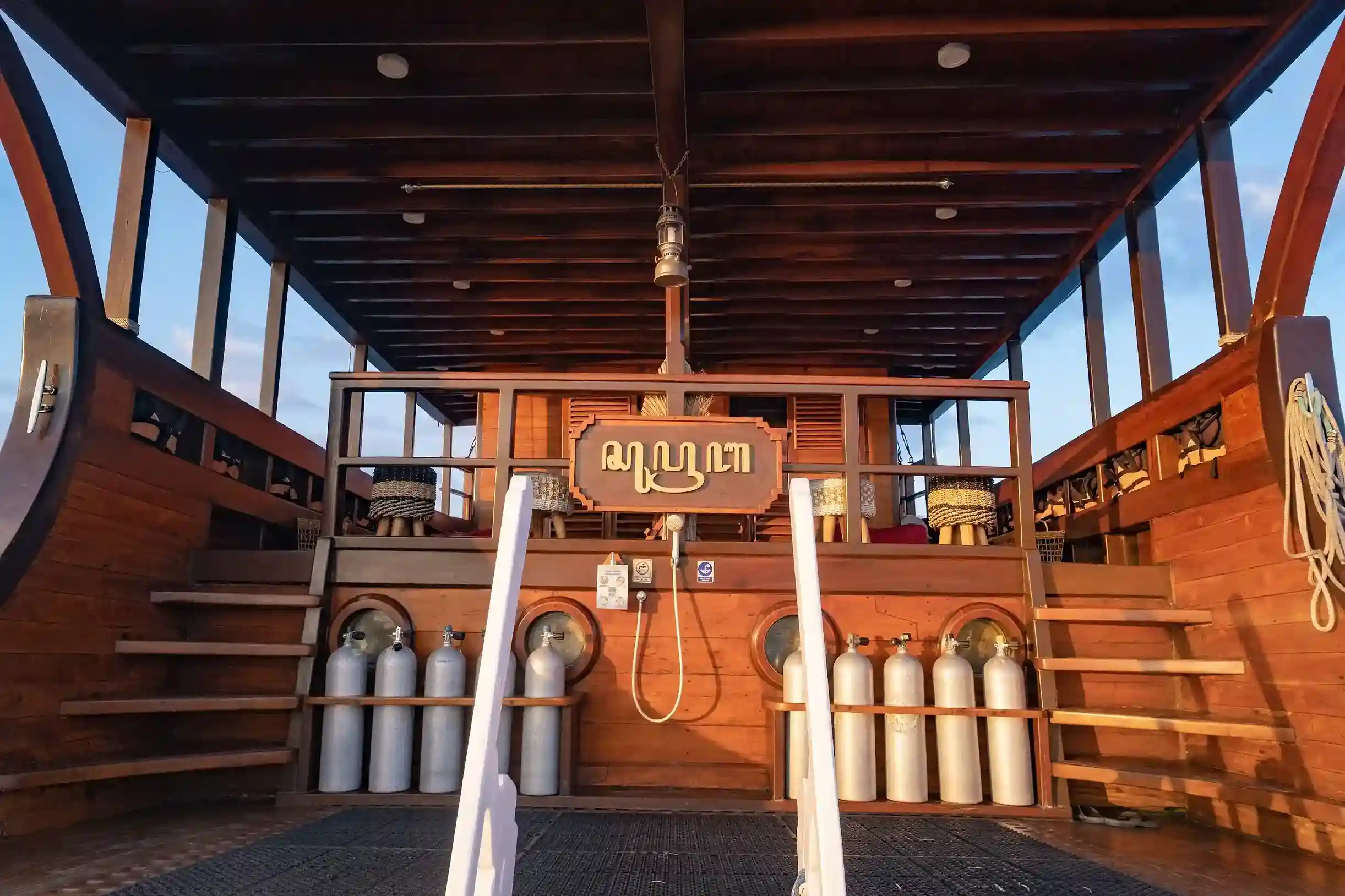
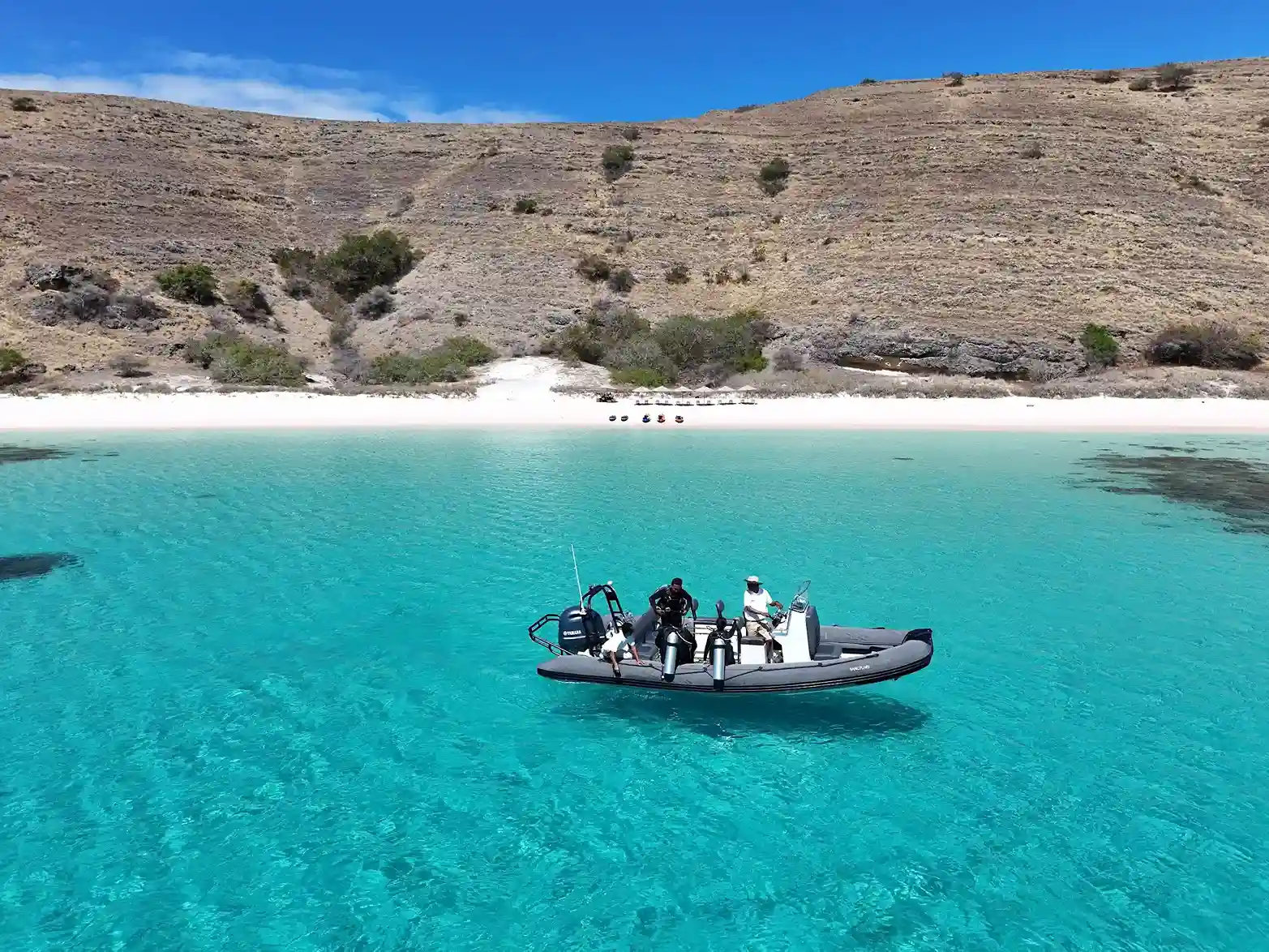
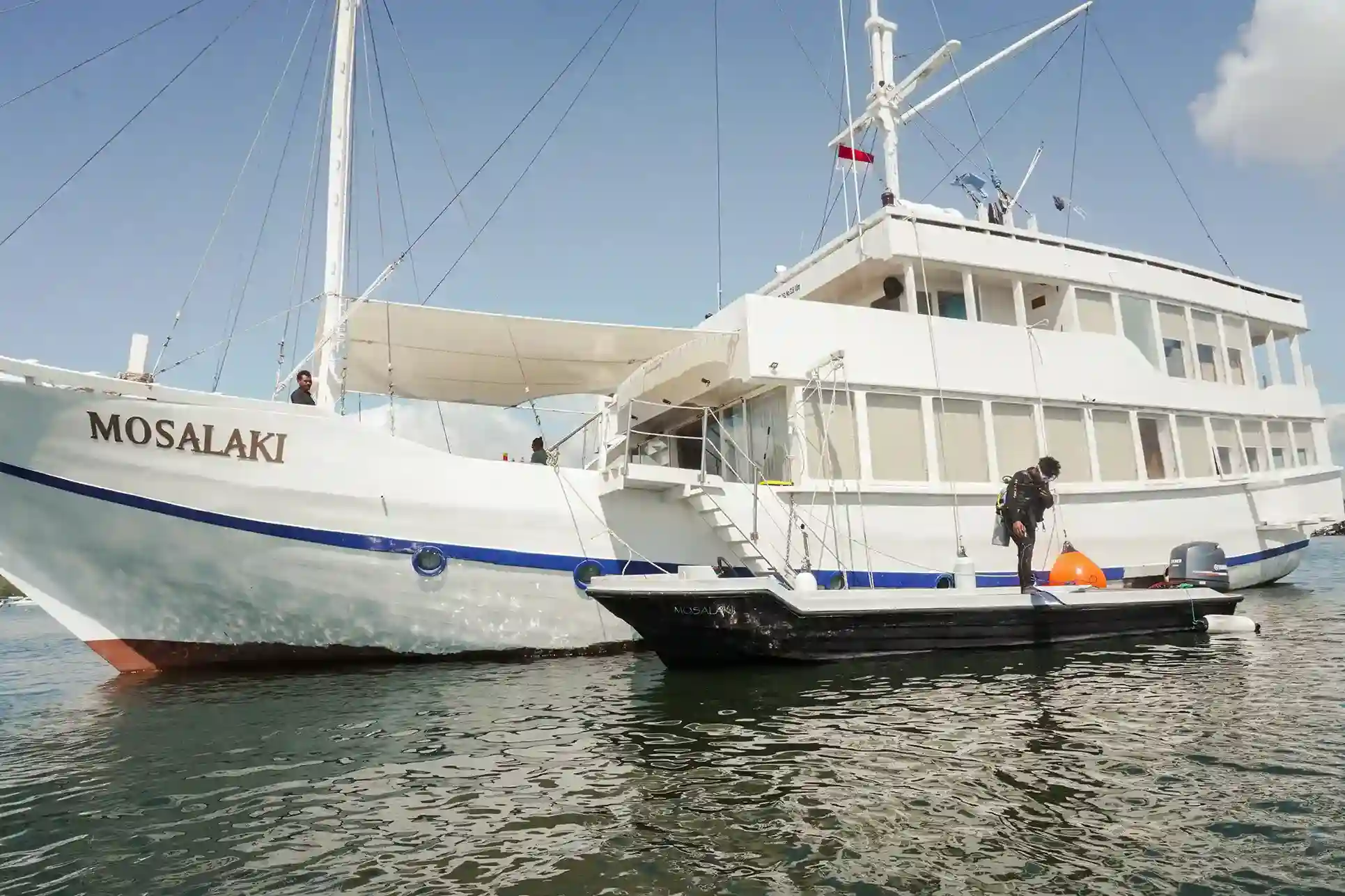
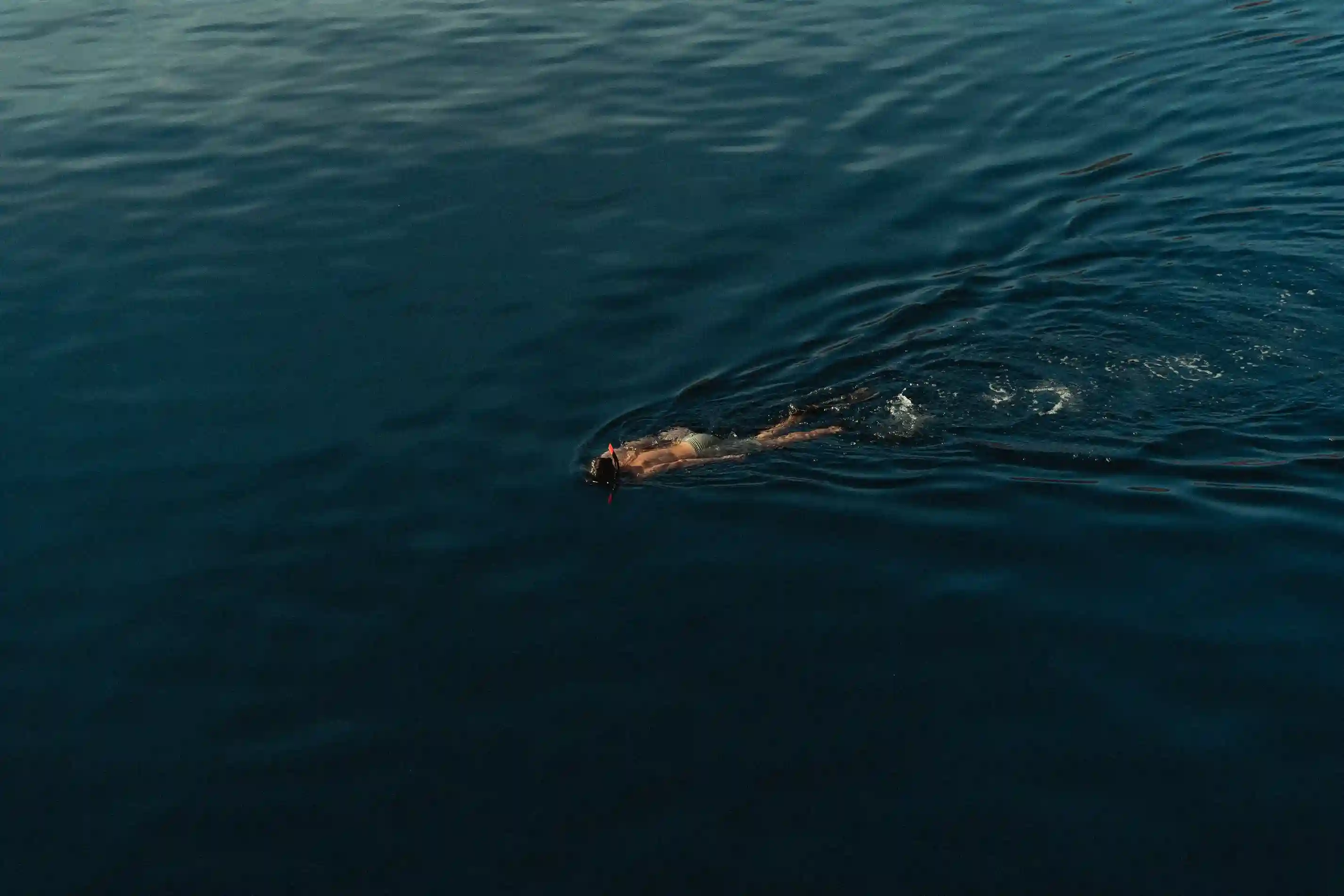
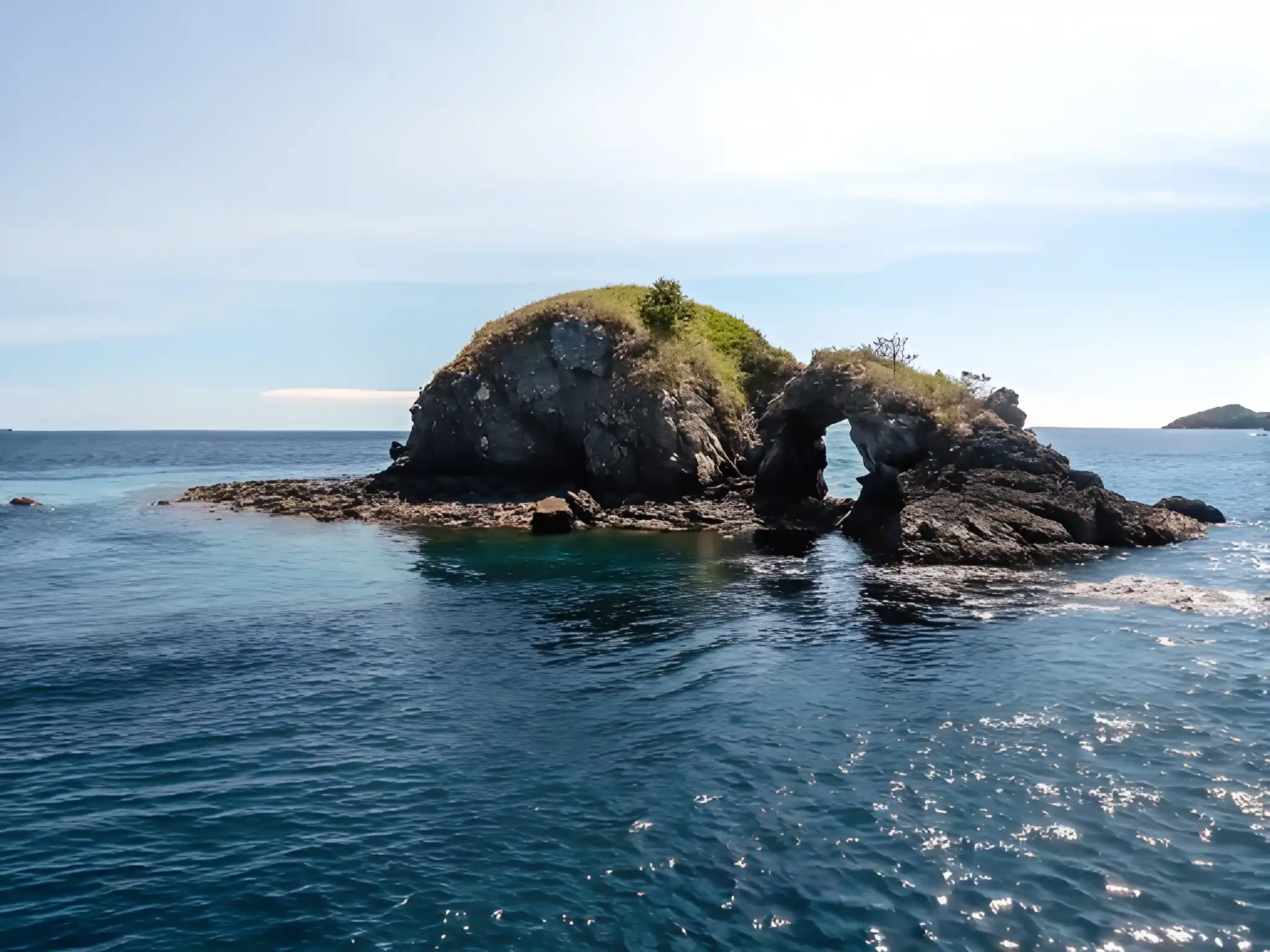
Photography from our own Komodo Luxury fleet and charters across the archipelago.
Frequently asked questions
Lembeh is called the muck capital because its volcanic black sand slopes host an unusually high density of rare and cryptic critters. Divers regularly encounter frogfish, flamboyant cuttlefish, mimic octopus and unusual nudibranchs on relatively small patches of seabed. The combination of soft sediment, nutrients and manageable conditions makes it an ideal place for dedicated macro diving.
Yes. Many North Sulawesi liveaboards and some resorts offer combined Lembeh–Bunaken itineraries. A 7–10 night cruise typically spends several days in Lembeh for macro, moves via Bangka for reefs, and finishes at Bunaken’s walls. The transfer distances are short enough that guests enjoy varied habitats without losing days to long transits or extra domestic flights.
Lembeh Strait is known for mimic octopus, wunderpus, blue-ringed octopus, hairy frogfish, painted and warty frogfish, flamboyant cuttlefish, stargazers, ornate ghost pipefish, seahorses, pipehorses, rare shrimps and hundreds of nudibranch species. Many sites are famous for night dives where multiple unusual species can be photographed in a single 60‑minute slow macro dive.
North Sulawesi is productive for diving year-round, but July to September is often considered prime thanks to stable conditions and excellent critter activity. Visibility at Bunaken’s walls tends to be better in the drier months, while Lembeh’s muck sites remain reliable in most seasons. Shoulder months can offer quieter sites and flexible itineraries at competitive rates.
Yes. North Sulawesi is generally considered suitable for confident beginners because many sites are shallow, with gentle slopes and moderate currents. Lembeh muck diving is slow and controlled, ideal for practising buoyancy. However, basic experience and recent dives are recommended before joining any liveaboard, and new divers should discuss comfort levels and training history with trip planners in advance.
For tailored advice on Lembeh cruises, Komodo options, komodo liveaboard mid range cost, what to pack for a komodo liveaboard, or to book komodo liveaboard and North Sulawesi combinations, contact the Komodo Luxury desk via WhatsApp 628113823875 or email sales@komodoluxury.com, or review the detailed liveaboard indonesia price breakdown on our main pricing page.
We’ll ladder the routes — quote within office hours
Fastest is WhatsApp — a real charter desk, not a bot. Or send the short form and we reply by email with windows, vessels and an itemised fare plank for your month.