
Bali’s Marine Biodiversity: A 2027 Overview
Bali’s marine biodiversity in 2027 showcases an extraordinary variety of ecosystems and species, making it a hotspot for marine life enthusiasts. This overview examines the rich marine species diversity and the resilient ecosystem that continues to thrive in Bali’s waters.
Marine Biodiversity Bali 2027
Bali’s marine ecosystem is renowned for its vibrant marine biodiversity, drawing divers and scientists globally. As of 2027, this region remains a critical habitat for numerous marine species, thanks to its diverse ecosystems ranging from coral reefs to mangroves and seagrass beds. The island’s location within the Coral Triangle, a region known for hosting 76% of the world’s coral species, contributes to its high biodiversity. Bali serves as a living laboratory for marine biologists and conservationists who study its ecosystems to understand better and protect marine life globally.
Current State of Marine Biodiversity in Bali
The current state of marine biodiversity in Bali is robust, with a wide array of species thriving in its rich marine habitats. Efforts to protect and sustain these ecosystems have been successful, contributing to the ongoing health and diversity of marine life. Initiatives such as the Bali Marine and Fisheries Service have been instrumental in implementing sustainable fishing practices and marine protected areas. As a result, over 20% of Bali’s coastal waters are designated as marine conservation zones, providing safe havens for species to flourish without human interference.
Bali Ecosystem: A Resilient Marine Environment
Bali’s marine ecosystem is a resilient environment that supports a broad range of marine life. The island’s waters are home to extensive coral reefs that provide habitat for numerous fish species, sea turtles, and other marine creatures. The interconnectedness of coral reefs, mangroves, and seagrass beds plays a vital role in maintaining the overall health of the marine ecosystem. For instance, the coral reefs around Menjangan Island are thriving, hosting over 500 species of coral that shelter diverse marine life, including the vibrant clownfish and the rare pygmy seahorse.
- Coral Reefs: Bali boasts some of the most diverse coral reef systems in the world, hosting over 500 species of coral. The reefs around Nusa Lembongan and Nusa Penida are particularly renowned for their beauty and biodiversity.
- Mangroves: These coastal forests serve as nurseries for various fish species and protect shorelines from erosion. Bali’s mangrove forests cover approximately 1,375 hectares, providing crucial ecosystem services.
- Seagrass Beds: Vital for carbon storage and as feeding grounds for dugongs and turtles. Bali’s seagrass meadows are found in areas like Sanur, covering about 1,500 hectares and playing a key role in coastal protection and biodiversity.
Marine Species Diversity in Bali
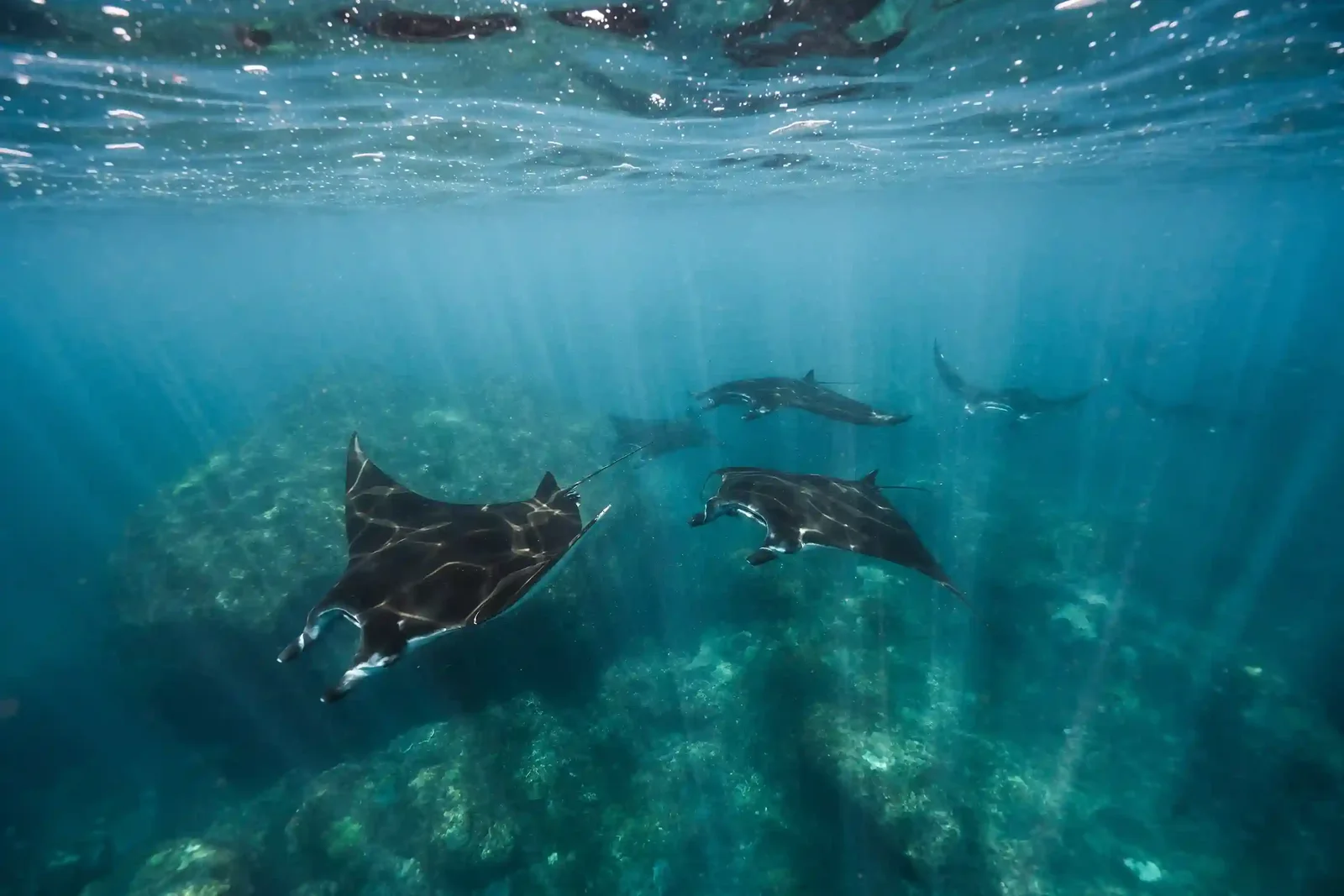
The marine species diversity in Bali is remarkable, with over 3,000 fish species recorded. From the majestic manta rays to the elusive mola mola, the waters around Bali are teeming with life. Conservation programs have been pivotal in maintaining this diversity, ensuring that Bali remains a prime destination for marine biodiversity exploration. The Mola Mola, or ocean sunfish, can be frequently spotted around Nusa Penida between July and October, while manta rays are a year-round attraction at Manta Point.
| Marine Species | Notable Characteristics |
|---|---|
| Manta Ray | Known for their large size and graceful swimming patterns. These gentle giants can have wingspans of up to 7 metres. |
| Mola Mola | Famous for their unique shape and being the heaviest bony fish. They can weigh up to 1,000 kilograms and are often seen near the surface basking in the sun. |
| Sea Turtles | Crucial for maintaining healthy seagrass beds and coral reefs. Species like the green and hawksbill turtles are commonly sighted nesting on Bali’s beaches. |
2027 Note
In 2027, Bali continues to be a beacon of marine conservation, with ongoing efforts to safeguard its natural treasures. Sustainable tourism practices are being emphasized to ensure that future generations can enjoy the same vibrant marine life. Dive operators are increasingly adopting eco-friendly practices, such as reducing plastic waste and offering education on marine conservation to visitors. The Indonesian government, alongside local NGOs, is actively working on initiatives to restore damaged coral reefs through coral transplantation projects.
For those interested in exploring Bali’s marine biodiversity up close, consider our liveaboard experiences that allow for personalised itineraries and intimate encounters with marine life. These excursions provide opportunities to visit remote dive sites, where divers can witness the rich biodiversity and pristine beauty of Bali’s underwater world.
FAQ
What is the current state of marine biodiversity in Bali?
The current state of marine biodiversity in Bali is robust, with a wide array of species thriving in its rich marine habitats. Conservation efforts and marine protected areas have played a significant role in preserving this biodiversity.
How does Bali’s ecosystem support marine biodiversity?
Bali’s ecosystem supports marine biodiversity through its diverse habitats like coral reefs, mangroves, and seagrass beds, providing shelter and food for marine species. These ecosystems are interconnected, creating a dynamic environment that fosters biodiversity.
Why is Bali a popular destination for marine life enthusiasts?
Bali is popular for its accessible and diverse marine life, offering opportunities to see unique species such as the manta ray and mola mola. Its warm, clear waters and well-preserved ecosystems make it an ideal location for diving and snorkelling adventures.