
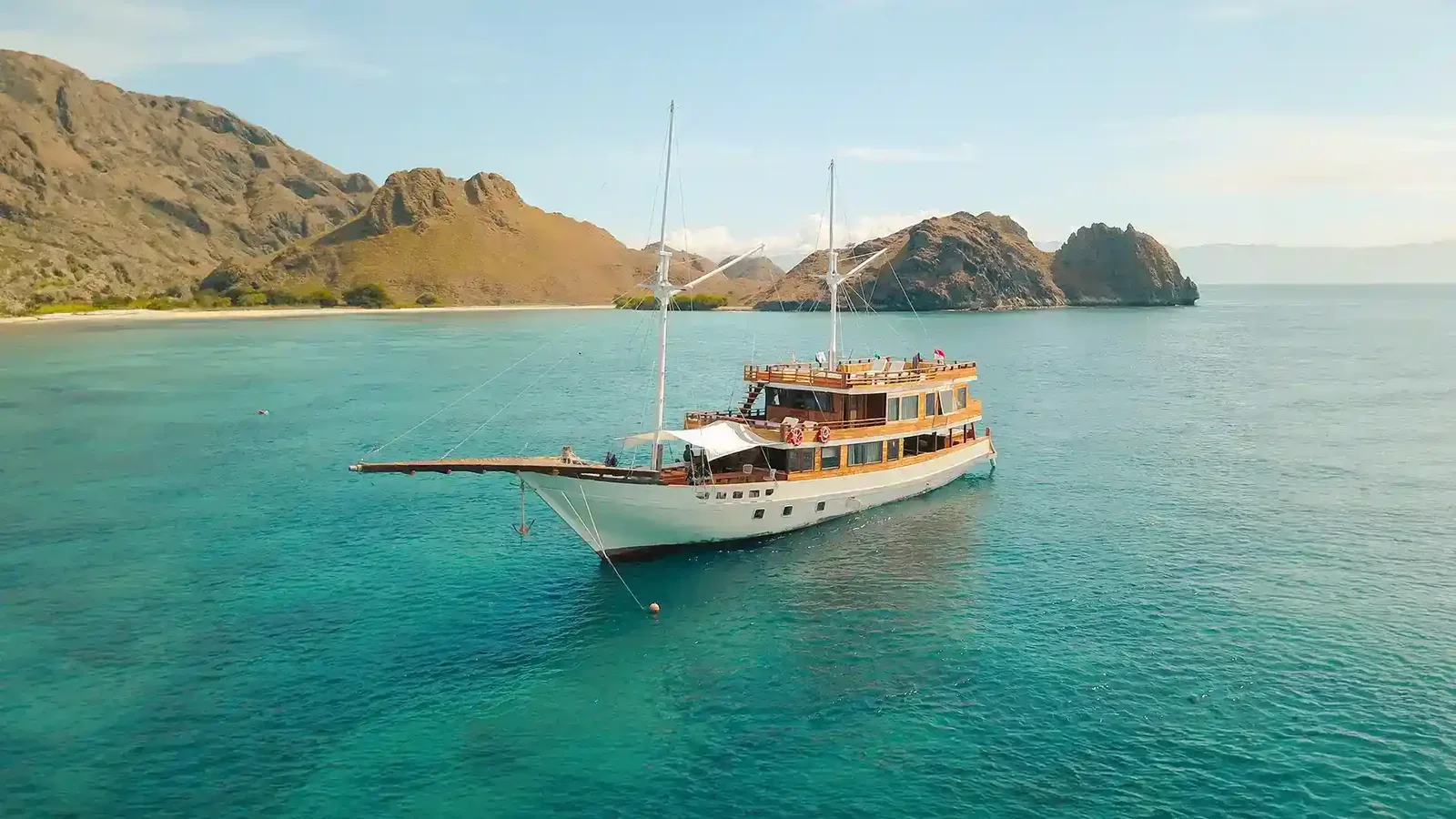
How To Verify Liveaboard Operators By 2027
Checking Liveaboard Operator Legality In Indonesia By 2027 means confirming three things: an OSS Business Identification Number (NIB), valid vessel safety certificates, and proof of Komodo National Park licensing. By 2027, Indonesian port and marine police in Bali, Lombok, and Labuan Bajo are expected to routinely inspect these documents before departure.
How do I quickly verify if a Bali based Komodo liveaboard operator is legal in 2027?
By 2027, the fastest way to check legality is to ask for the operator’s Indonesian OSS “NIB” registration number and vessel documents before paying any deposit. OSS (Online Single Submission) is the national business registry. Every commercial liveaboard must have an active entry there, plus safety and insurance documents that match the boat name on your contract.
Ask the sales team to email or message: a scanned NIB page, the vessel’s gross tonnage certificate, and a current seaworthiness or safety certificate. Cross‑check that the company name, vessel name, and home port match what appears on your Bali–Komodo invoice and boarding pass. Since enforcement is tightening around Labuan Bajo harbour by 2027, legitimate boats will be used to sharing these basics.
For trips that sail directly from Bali to Komodo, this check is especially important because they cross multiple provinces and marine zones. Any gap in paperwork can lead to last‑minute route changes or denied entry into Komodo National Park, affecting your dives at Batu Bolong, Manta Point, or Castle Rock.
Which Indonesian documents should I ask for before booking a Bali–Komodo liveaboard?
Legal operators should be willing to share a short list of standard Indonesian documents. The first is the OSS NIB registration, which proves the business is recorded with the central government. The second group is vessel‑specific: proof of registration, tonnage, and an up‑to‑date safety or seaworthiness certificate valid for the season of your trip.
For Bali–Komodo itineraries, also ask how the operator handles Komodo National Park entry and marine reserve fees. As of August 2026, these are usually collected either directly in Labuan Bajo or via your liveaboard, then reported to park authorities on arrival. A legitimate contract will clearly state how these fees are managed, even if exchange rates cause small variations.
Finally, confirm that the company carries passenger liability insurance appropriate for diving activities and multiple‑day voyages. This becomes crucial for specialized departures like macro photography Komodo liveaboard trips, university marine biology liveaboard Komodo charters, or Bali Komodo liveaboard at Christmas departures that may involve more complex logistics and longer crossings between anchorages between Bali and Komodo.
How does legality affect itinerary, safety, and Bali–Komodo liveaboard price?
Legality directly shapes what a Bali–Komodo liveaboard can safely offer. A boat with complete permits can run the full Bali Komodo liveaboard itinerary: departing Labuan Bajo — guests fly in from Bali (DPS–LBJ, about 1h15m) — and entering Komodo National Park to dive Batu Bolong, Manta Point, and Castle Rock before returning to Labuan Bajo.
As of August 2026, a legal operator typically prices trips between about US$900 for basic shared‑cabin options and US$4,000+ per person for luxury suites on longer 7–10‑night routes. Compliance adds costs, but also improves reliability: properly documented vessels can plan routes around known reef and shoal locations on Bali Komodo route legs and are less likely to be turned back in port inspections.
Legal compliance is especially relevant if you want Bali Komodo liveaboard recommendations for couples, or packages highlighting stargazing from Komodo liveaboard deck between dive days. These experiences rely on predictable schedules and safe overnight anchorages. For more granular cost breakdowns, many travelers now compare each offer with a reference like a dedicated guide to the Bali Komodo Liveaboard Price Per Person.
What checks matter for health, transfers, and special‑interest trips by 2027?
By 2027, legality crosses over into health and comfort issues that used to be considered “extras.” A responsible operator builds ear health when diving multiple days into standard briefings, clearly communicates medical support options along the route, and documents emergency procedures that align with Indonesian maritime requirements.
For dietary restrictions on Komodo liveaboard departures, written confirmation is essential. A professional crew will confirm in advance if they can safely handle allergies, vegetarian or vegan diets, or medical diets, and will integrate this into the manifest submitted to port authorities. This also applies to specialized voyages like university marine biology liveaboard Komodo charters, where students’ needs must be logged before departure.
Transfers are another sign of professionalism. For example, clear information about the Bali leg – including Seminyak hotel pickup times, the DPS–LBJ flight ticketed together with the sailing, and which harbor gate to use in Labuan Bajo – reflects coordination with local regulations. These operational details often appear more polished from operators who have structured compliance in place and maintain their status inside the OSS system.
How should I factor legality into dates, weather by month, and capacity planning?
Legal checks are easiest to complete if you plan around seasonality and expected capacity. For Bali Komodo liveaboard weather by month, conditions usually favor the April–October dry season, with May–September often described as having the most stable seas. July–August are peak demand, when improperly documented boats may quietly disappear from schedules because they cannot meet inspections.
Smart planning combines legality checks with capacity forecasts. Resources similar to a Projected Occupancy Of Komodo Liveaboards In 2027 2028 help indicate how early to book and verify documentation. Christmas and New Year periods are particularly intense: a Bali Komodo liveaboard at Christmas can sell out months ahead, and waiting too long can push travelers toward uncertain, lightly regulated alternatives.
If your preferred dates or vessel are full, legal operators may suggest regulated alternatives or repositioning trips, supported by guides such as Alternative Liveaboard Routes From Bali If Komodo Is Full In 2027. Planning early also gives more time to confirm all licenses, especially for one‑way expeditions or specialty itineraries.
Does legality change how one‑way and repositioning Bali–Komodo trips work?
Yes. One‑way routes, repositioning cruises, and longer expeditions rely on consistent paperwork across multiple ports. Many legal operators offer one‑way or round‑trip voyages, with crossings that can take 24–30 hours for traditional phinisi and around 12–18 hours for faster catamarans, depending on sea state and exact route.
These voyages typically include several anchorages between Bali and Komodo, often near lesser‑visited islands. Here, charts and local knowledge of reef and shoal locations on Bali Komodo route legs are essential, along with valid navigation and safety documents. This is even more important on trips that combine diving days with experiences like stargazing from Komodo liveaboard deck in remote bays.
Travelers interested in a structured, legal one‑way experience can review options via dedicated information pages about a One Way Bali To Komodo Liveaboard, then request copies of the boat’s documentation before confirming. For couples, careful planning also allows choosing departures that balance crossings, dive density, and quieter anchorages.
- OSS NIB screenshot or PDF showing active Indonesian business registration.
- Vessel registration and current safety or seaworthiness certificate covering your travel dates.
- Written confirmation of Komodo National Park entry and marine reserve fee handling.
- Clear 7–10‑night Bali–Komodo itinerary including key dive sites and transit timings.
- Documented emergency procedures and advice on ear health when diving multiple days.
- Advance confirmation of dietary restrictions on Komodo liveaboard bookings in your party.
- Transfer instructions for Labuan Bajo boarding, including Seminyak hotel pickup and DPS–LBJ flight timing ticketed with the sailing.
Frequently asked questions
how much does Checking Liveaboard Operator Legality In Indonesia By 2027 cost in Bali?
Checking legality usually costs nothing beyond your time. Reputable Bali based Komodo liveaboard operator teams share OSS registration, vessel documents, and fee structures for free. Some agencies or consultants may charge a service fee, but most travelers can verify essentials directly by email or WhatsApp with the operator before paying deposits.
is Checking Liveaboard Operator Legality In Indonesia By 2027 worth it in Bali?
Yes. Verifying legality reduces risk of trip cancellations, denied port clearance, or last‑minute itinerary cuts to key Komodo sites. It also supports safer operations for activities like macro photography Komodo liveaboard diving or longer crossings. A few minutes of document checks can protect both your holiday and your personal safety over a 7–10‑night voyage.
what is included in Checking Liveaboard Operator Legality In Indonesia By 2027?
Effective checks include reviewing OSS business registration, vessel safety certificates, insurance details, and clear explanations of Komodo National Park and marine reserve fees. Guests also benefit from confirming transfer plans, cabin category, and basic policies on health, dietary needs, and cancellations, which should align with Indonesian maritime and tourism regulations.
How does legality affect Bali Komodo liveaboard best price guarantee offers?
Any Bali Komodo liveaboard best price guarantee should sit on top of legal compliance, not replace it. Verify OSS registration and vessel documents first, then compare prices. Cheaper trips without clear paperwork may appear attractive but risk disruption. Legal operators balance cost with safety, itineraries, and inclusions rather than competing only on headline price.
Does legality change availability for couples or students on Bali–Komodo trips?
Legality tends to improve options for specific groups. Bali Komodo liveaboard recommendations for couples often focus on quieter anchorages and private cabins, which depend on predictable port clearances. For student or university marine biology liveaboard Komodo charters, proper documentation is essential for institutional approval, insurance, and safe delivery of field‑course objectives.
For tailored advice on verifying operators and planning a compliant Bali–Komodo voyage, contact the BD desk at Juara Holding Group (part of Juara Holding Group — since 2015) via WhatsApp 628113823875 or email sales@komodoluxury.com.
Last updated 1 August 2026