Derawan & Sangalaki Trips In 2027
Derawan liveaboard 2027 itineraries are already pencilled in by several Indonesia fleets for the March–November dry season, focusing on Sangalaki manta feeding and Kakaban’s jellyfish lake. Expect 7–10 night trips priced around USD 2,200–3,600 per diver as of August 2026, with limited departures compared with Komodo or Raja Ampat.
How will Derawan & Sangalaki liveaboard routes actually look in 2027?
By 2027 most Indonesia liveaboard diving trips that reach Derawan will be part of extended Kalimantan or Sulawesi circuits rather than stand‑alone loops. Planning documents shared by several partner fleets in 2025–26 show Berau (Tanjung Redeb) as the main gateway, with embarkation via speedboat transfer from harbour to the yacht.
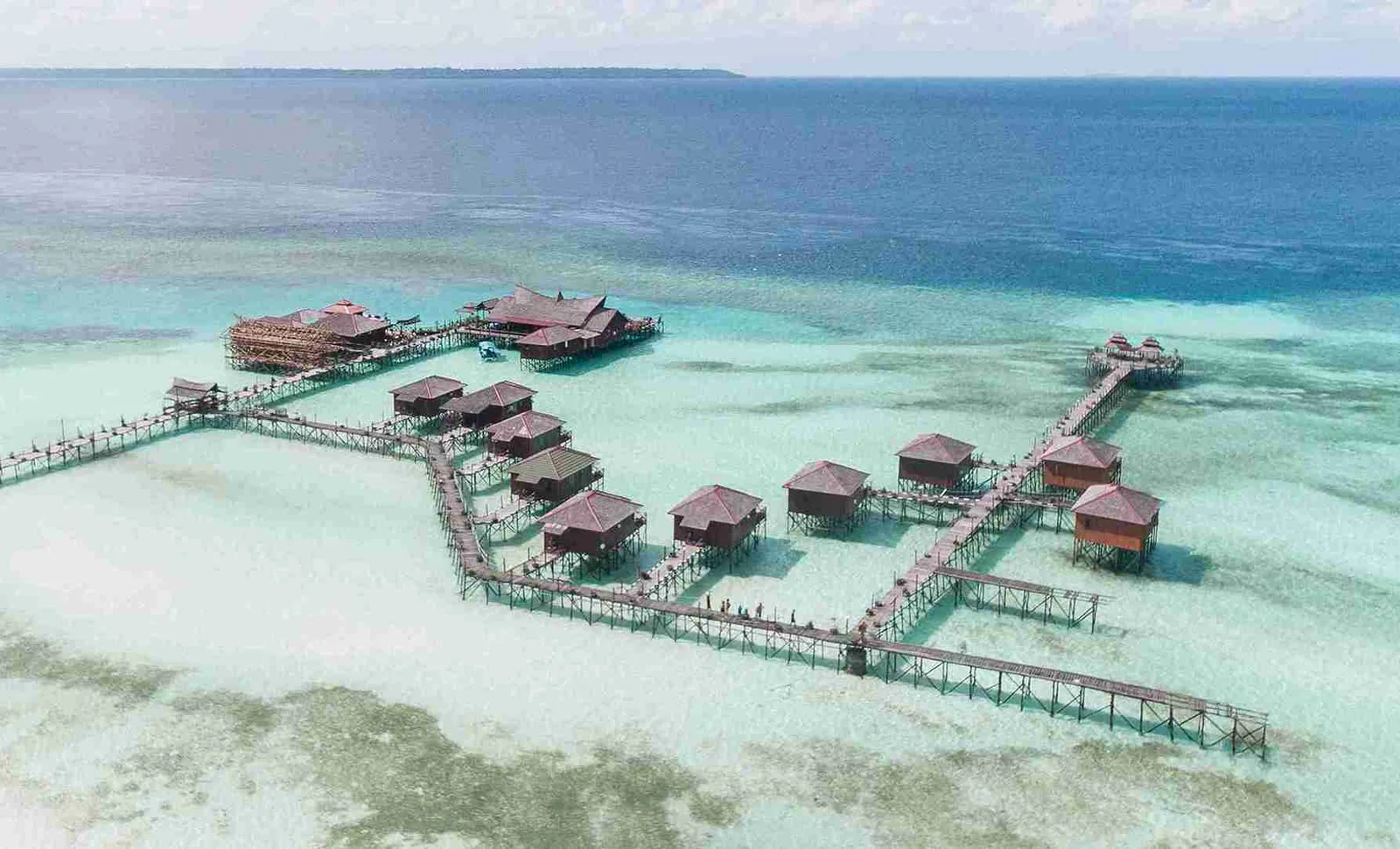
Typical Derawan liveaboard 2027 itineraries are 8–10 days, running March–June and September–November, when seas off East Kalimantan are calmer and rainfall is lower. Routes concentrate on Sangalaki manta cleaning and feeding stations, Kakaban’s jellyfish lake and walls, Maratua channels and the lighter‑dive days around Derawan Island itself.
Compared to a komodo liveaboard schedule, expect fewer fixed weekly departures and more one‑off “expedition” style trips. Fleets that also operate a komodo liveaboard with manta rays are using similar current‑management practices in Sangalaki, meaning structured briefings, negative entries and clear limits for manta ray diving Komodo liveaboard guests who extend onward to Kalimantan.
How does manta feeding at Sangalaki compare to manta dives in Komodo and Bali?
Sangalaki is primarily a feeding and cleaning ground. Plankton‑rich upwellings along the island’s slopes draw mantas close to the surface, especially around new and full moons. Logs from 2024–2025 trips show reliable encounters in 10–18 m depth, with multiple passes during single dives in April–June.
Against a bali liveaboard with manta dives at Nusa Penida, Sangalaki mantas are typically less affected by day‑boat traffic and surface surge. The experience is closer to Indonesia liveaboard diving with manta rays and sharks in central Komodo: early entries, controlled group sizes and long, slow observations at stations rather than chasing animals in current.
For guests comparing options, Komodo and Bali still win for trip frequency and easier access, but Derawan & Sangalaki offer a higher chance of multiple-manta sightings on consecutive days. Many travellers are already planning a combined route: Bali liveaboard trips or a komodo liveaboard with manta rays first, then Kalimantan in the same season to contrast the behaviours in different ecosystems.
What about Kakaban jellyfish lake and drift diving in Maratua channels?
Kakaban’s jellyfish lake remains one of the headline reasons to schedule Derawan liveaboard 2027 plans early. Similar to Palau’s famous lake, non‑stinging jellyfish flourish in a landlocked marine lake. Operator guidelines in 2026 require no fins and no sunscreen in the water, with access via wooden stairs and a short forest walk from the jetty.
Dive logs from 2023–2025 confirm that most itineraries dedicate at least half a day: one or two reef dives around Kakaban’s outer walls plus a snorkelling session in the lake. Water depth is typically 5–17 m in the lake area, making it accessible for the best liveaboard boats for beginners Bali guests who want a low‑stress experience between higher‑energy channel dives.
Maratua’s channels, especially the famous “Big Fish Country” area, add a more advanced component. Current tables and tide charts used in Komodo for drift diving Komodo from liveaboard boats are increasingly applied in Maratua too. Expect negative entries, reef hooks and potential down‑currents, giving confident divers a sharky, pelagic‑rich contrast to the calm jellyfish lake session.
How many boats and what prices should divers expect for Derawan in 2027?
The Derawan region is still a niche compared to Komodo or Raja Ampat. Internal fleet planning in August 2026 shows only a small fraction of Indonesia’s best liveaboard boats in Indonesia for diving allocating weeks to East Kalimantan. Instead of fixed year‑round rotations, most brands plan 2–6 Derawan departures per year.
Prices are influenced by repositioning distance and limited local infrastructure. As of August 2026, early‑bird projections for Derawan cruises sit roughly in the USD 220–400 per person per night range, depending on cabin category and boat class. That places them between cheap liveaboard diving trips Indonesia in Komodo and the highest‑end Raja Ampat charters.
Some of the best value liveaboard boats in Indonesia are expected to pair Derawan with North Sulawesi or Raja Ampat transitions, offering combination expeditions. Travellers comparing options should check liveaboard bali reviews and recommended boats that already have experience in remote regions, as these operators tend to handle logistics, fuel planning and permits in East Kalimantan more smoothly.
Is Bali still the best base for reaching Derawan and other Indonesia liveaboard trips?
For 2027, Bali remains a practical base even for East Kalimantan. Most travellers will route Bali–Jakarta–Balikpapan or Bali–Surabaya–Berau, then take a speedboat or domestic hop to reach embarkation. Flight schedules for 2026 already show multiple daily links on Indonesian carriers between Bali and the main Kalimantan gateways.
For guests asking “is bali good base for indonesia liveaboard trips?”, the answer is yes if combining regions. Bali gives access to Komodo, Raja Ampat and even North Sulawesi or Derawan within 1–2 domestic legs. Many arrange a bali to komodo liveaboard schedule first, then slot in Derawan later in the same holiday window.
Bali is also home port for several eco friendly liveaboard boats Indonesia wide. These vessels invest in wastewater treatment, low‑impact mooring and fuel‑efficient routing, which becomes more important for remote trips to Maratua and Kakaban. Travellers can easily add a lembeh bunaken liveaboard or an extended bali to raja ampat liveaboard to a Derawan plan from the same Bali hub.
How do Derawan trips fit into 2027 Indonesia-wide liveaboard calendars?
By 2027, fleets are tightening their rotations to follow ideal seasons: Komodo April–November, Raja Ampat October–April, Banda crossings in September–November and March–April, and Alor mainly August–November. Derawan is being slotted as a “shoulder” option that fills gaps between these core regions.
Several eco friendly liveaboard boats Indonesia wide use East Kalimantan as a transition zone, running 1–2 trips between Raja Ampat and North Sulawesi or between Sulawesi and the Makassar Strait. This also helps maintain crew employment and reduce empty repositioning days.
For planners looking beyond Derawan, Bali is a launch point not only for Komodo but a growing range of niche itineraries. Ambitious divers might combine Derawan with ambon blackwater diving or Banda hammerhead seasons in one extended calendar‑year plan, using Bali and Jakarta as repeat transit points to string several regions together efficiently.
- Typical Derawan & Sangalaki itinerary length in 2027: 7–10 nights with 18–26 dives planned.
- Estimated price band: about USD 220–400 per person per night as of August 2026, excluding domestic flights.
- Prime Derawan season: March–June and September–November, avoiding peak monsoon months.
- Main access: fly to Berau (Tanjung Redeb) via Balikpapan or Surabaya, then harbour transfer by road/boat.
- Liveaboard Bali by Komodo Luxury network: 240+ vessels from Deluxe to VVIP classes across Indonesia.
- Sample Komodo reference rate: 3D2N open trip from USD 220 per person as of August 2026 (park fees excluded).
- Key documents: passport with at least 6 months’ validity, dive certification card, and dive insurance proof recommended.
Frequently asked questions
Derawan & Sangalaki Trips In 2027?
Expect limited but highly focused departures. Most fleets will run 2–6 Derawan & Sangalaki trips across March–June and September–November, typically 7–10 nights with manta dives at Sangalaki, jellyfish lake access at Kakaban and channels at Maratua. Early booking 9–12 months ahead is advisable due to low cabin counts.
How do Derawan liveaboards compare to Komodo for manta and shark encounters?
Komodo remains busier and more varied, with famous manta and shark sites like Manta Point and Castle Rock. Derawan & Sangalaki focus more narrowly on manta feeding plus occasional reef sharks in Maratua channels. For concentrated manta time with fewer boats around, Derawan is attractive; for broader species diversity, Komodo edges ahead.
Are Derawan liveaboards suitable for beginners or only advanced divers?
Derawan itineraries mix easy reef dives and the calm jellyfish lake with more demanding channel drifts. Confident Open Water divers can join, but some Maratua sites are better for those with experience in current. Divers who trained on the best liveaboard boats for beginners Bali based often use Derawan as their first “expedition” step up.
How safe are Indonesia liveaboard boats in remote areas like Derawan?
Safe liveaboard boats Indonesia wide follow standards such as redundant navigation, oxygen kits, crew drills and clear briefings. In remote zones like Derawan, this preparation matters more because evacuation takes longer. Selecting reputable operators with strong safety records and recent equipment refits is more important than chasing the very lowest price.
Can Derawan be combined with a honeymoon or special‑occasion liveaboard?
Yes. Some couples book a romantic Komodo or Raja Ampat charter first, then add Derawan as an exploratory extension. For example, a private suite or full‑boat charter via a dedicated honeymoon liveaboard Indonesia package can be followed by a more adventurous shared Derawan trip, balancing comfort and discovery in one itinerary.
For 2027 Derawan & Sangalaki planning, sample itineraries and current availability, contact the Komodo Luxury desk via WhatsApp 628113823875 or email sales@komodoluxury.com.
Last updated 6 August 2026