
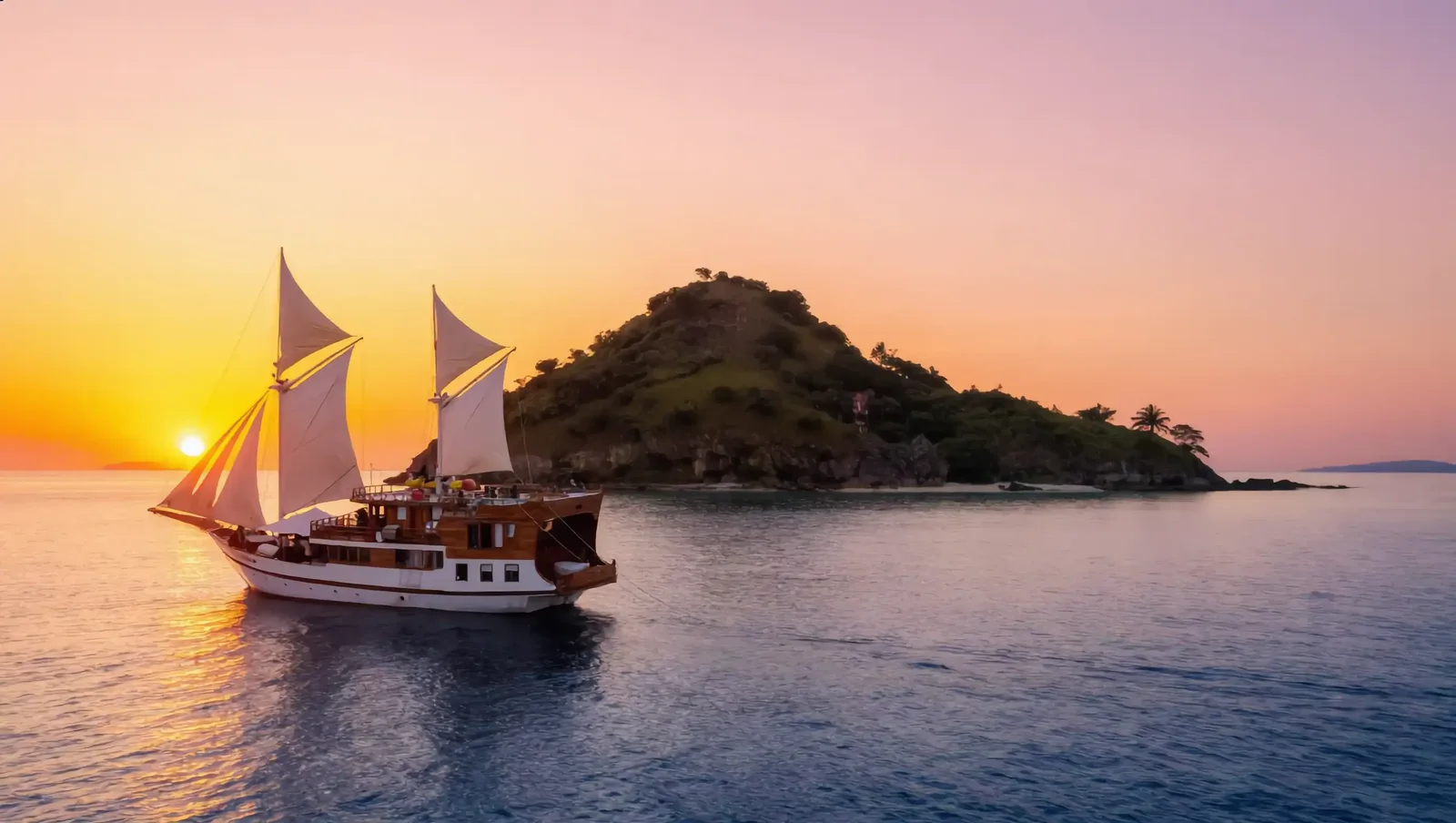
Eco‑friendly and sustainable liveaboards in Indonesia
What Are Eco-Friendly Liveaboards in Indonesia?
Eco-friendly liveaboards in Indonesia are specialized boats designed to minimize environmental impact while offering an immersive experience of the natural beauty and marine biodiversity of the region. These vessels focus on sustainable practices, such as responsible waste management, energy efficiency, and supporting local communities. The objective is to create an enriching travel experience without compromising the ecological integrity of the stunning destinations, such as Bali, Komodo, and Raja Ampat.
Why Choose Eco-Friendly Liveaboards in Bali and Komodo?
Choosing an eco-friendly liveaboard in Bali or Komodo contributes positively to the environment while providing an unforgettable adventure. With the rising concern about climate change and marine degradation, eco-conscious travelers seek alternatives that align with their values. Here are a few compelling reasons to opt for an eco-friendly liveaboard:
- Minimized Environmental Impact: These liveaboards implement practices that reduce carbon emissions, manage waste responsibly, and promote marine conservation.
- Supporting Local Economies: Many eco-friendly operators hire local crew members, support local businesses, and engage in community projects.
- Unique Experiences: Eco-friendly liveaboards often provide access to lesser-known dive sites and pristine natural areas, enabling travelers to experience the unique marine biodiversity.
Exploring Sustainable Diving Practices in Komodo
Komodo National Park is a UNESCO World Heritage Site, renowned for its rich marine biodiversity and stunning landscapes. Sustainable diving practices here are crucial for the preservation of corals and marine life. Dive operators focusing on sustainability encourage:
- Controlled Dive Depths: Diver depths are often limited to 30-40 meters to protect delicate ecosystems.
- Marine Park Fees: Operators pay fees that support the park’s conservation efforts, ensuring that the habitats remain protected.
- Training and Awareness: Many liveaboards conduct workshops and briefings to educate divers on marine protection practices before diving.
In 2026, eco-friendly liveaboards in Komodo typically offer 5- to 7-night trips starting at around $1,200 USD (17,500,000 IDR) per person, covering 10-15 dive sites.
How Liveaboards Protect Manta Point
Manta Point in Komodo is a renowned site for observing manta rays, but its popularity can lead to environmental stress. Eco-friendly liveaboards play a pivotal role in protecting this area. By:
- Limiting Visitor Numbers: Operators often have agreements to limit the number of boats allowed at Manta Point, reducing congestion.
- Monitoring and Research: Several eco-liveaboards collaborate with marine biologists to monitor manta populations and their health.
- Guided Experiences: Professional guides ensure that divers respect the mantas and follow safe distances to avoid stressing the animals.
By prioritizing these practices, liveaboards help maintain the delicate balance of this ecosystem while providing stunning diving experiences.
Reef Safe Operators: Bali Liveaboard Standards
When searching for a reef-safe operator in Bali, it is essential to consider liveaboards adhering to strict environmental guidelines. Reef-safe operators minimize their ecological footprint through:
- Biodegradable Products: They often use reef-safe sunscreen and eco-friendly toiletries, reducing harmful chemicals that can damage marine life.
- Waste Management: Many such operators employ advanced waste management systems on board, including recycling and composting initiatives.
- Education: Reef-safe operators educate guests on how to avoid harmful practices such as touching corals or disturbing marine life.
Travelers can expect to pay around $900 USD (12,800,000 IDR) for a 4-night itinerary focusing on Bali’s best dive sites, ensuring a responsible approach at each locale.
Plastic-Free Initiatives on Indonesian Liveaboards
Plastic pollution is a significant threat to marine ecosystems. Many liveaboards in Indonesia are adopting plastic-free initiatives. These include:
- Reusable Water Bottles: Guests are provided with refillable bottles to minimize single-use plastic, which is essential since Indonesia is one of the largest contributors to plastic waste in oceans.
- Local Sourcing: Operators often source food and supplies locally, reducing packaging waste and supporting local businesses.
- Awareness Campaigns: Some liveaboards engage in beach clean-up activities, encouraging guests to participate during stops at remote islands.
This commitment to reducing plastic waste not only enhances the diving experience but also contributes to the broader goal of a cleaner ocean.
Carbon Offset Options for Bali and Komodo Trips
As travelers become increasingly aware of their carbon footprint, many liveaboard operators are introducing carbon offset programs. These programs allow guests to contribute to environmental projects that counterbalance the emissions associated with their travels. Options may include:
- Reforestation Initiatives: Funds may go toward planting trees in deforested areas, which can absorb carbon dioxide over time.
- Renewable Energy Projects: Supporting solar and wind energy initiatives contributes to reducing reliance on fossil fuels.
- Marine Conservation Programs: Contributions may also support projects focused on restoring coral reefs or protecting endangered species such as turtles and sharks.
In 2026, the average cost for a carbon offset contribution per trip is approximately $50 USD (700,000 IDR), adding a conscious choice to your travel plans.
Supporting Local Communities in Labuan Bajo
Labuan Bajo, the gateway to Komodo National Park, is home to vibrant local communities that benefit from responsible tourism. Eco-friendly liveaboards actively engage in various initiatives to support these communities, such as:
- Employment Opportunities: Many liveaboards hire local staff, ensuring that the economic benefits of tourism directly support residents.
- Cultural Exchanges: Some operators incorporate cultural experiences, like traditional meals or community visits, into their itineraries, providing guests with a deeper understanding of local customs.
- Community Projects: Eco-liveaboards may contribute a portion of their profits to local schools, health clinics, or clean water initiatives.
This connection not only enriches travelers’ experiences but fosters a sense of community and responsibility.
Responsible Tourism on Raja Ampat Liveaboards
Raja Ampat is celebrated globally for its stunning marine biodiversity, making it a prime destination for eco-conscious travelers. Responsible tourism practices are crucial in preserving this unique environment. Liveaboard operators focus on:
- Environmentally Friendly Itineraries: They create routes that minimize the impact on sensitive ecosystems, avoiding overvisited sites.
- Conservation Partnerships: Many collaborate with local conservation organizations to support ongoing research and protective measures.
- Education and Advocacy: Liveaboards often include educational sessions about local ecosystems and the importance of conservation efforts, empowering travelers to become advocates.
For an unforgettable experience, travelers can expect 7-night trips in Raja Ampat to start from around $1,500 USD (21,000,000 IDR), incorporating responsible tourism into the adventure.
Frequently Asked Questions
1. Are eco-friendly liveaboards more expensive than traditional ones?
Yes, they can be slightly more expensive, but the cost reflects the commitment to sustainable practices, community support, and environmental conservation.
2. What measures do eco-friendly liveaboards take to ensure sustainability?
These liveaboards implement practices like waste management, using renewable energy sources, and engaging in local conservation efforts.
3. How can I find reputable eco-friendly liveaboards?
Look for liveaboards with certifications or partnerships with recognized conservation organizations and read reviews from travelers focusing on sustainability.
, choosing an eco-friendly liveaboard in Indonesia not only enriches your travel experience but also contributes to the preservation of the stunning marine environments. By supporting these initiatives, you can dive deeper into the beauty of Indonesia while ensuring it thrives for generations to come.
Consider booking your eco-friendly adventure today!