
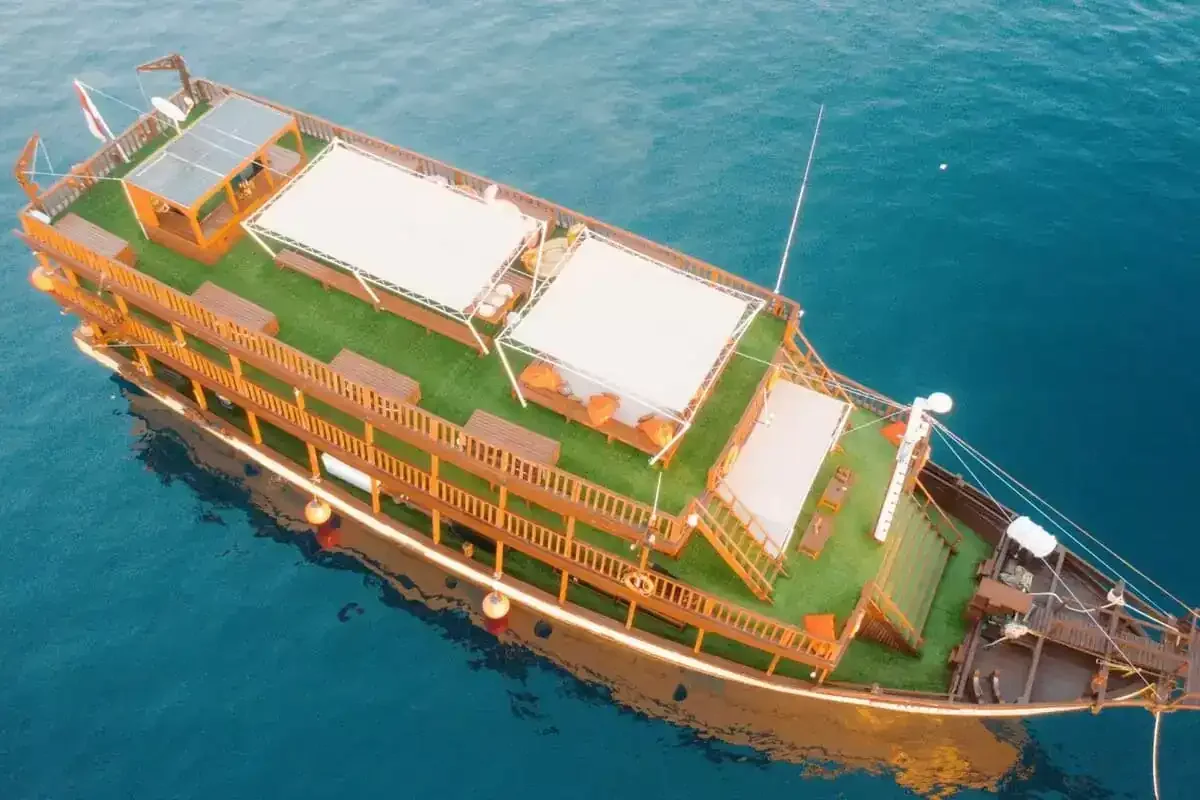
Preventing seasickness on Bali and Komodo liveaboards
Understanding Seasickness on Liveaboard Trips
Seasickness, a common issue faced by travelers embarking on liveaboard adventures in Bali and Komodo, occurs when the inner ear, eyes, and deeper body parts send conflicting signals to the brain. This often results in nausea, dizziness, and overall discomfort. With the right knowledge and preparation, you can enjoy your journey without the worry of seasickness overshadowing your experience.
Why Seasickness Occurs on Liveaboards
Liveaboard trips in regions like Bali and Komodo typically involve traveling through open waters, which can be choppy, especially during certain times of the year. The movement of the boat plays a significant role in the likelihood of experiencing seasickness. Factors include:
- Boat Size and Stability: Larger vessels are generally more stable, while smaller boats can be more susceptible to rocking.
- Weather Conditions: Winds and waves play a crucial role; rough seas are more common during the rainy season, from November to March.
- Individual Sensitivity: Some individuals are more prone to motion sickness due to their physiological makeup.
When is the Sea Rough in Komodo?
Travelers often ask, “Is the Komodo sea rough in July?” July falls within the dry season, which runs from April to November, making it one of the best times for liveaboard trips in the region. While you can expect calmer conditions, occasional winds and swells can still occur, especially in the early mornings or late afternoons. Understanding these patterns can help you prepare accordingly. Waves can reach heights of 1-2 meters during less favorable conditions.
Choosing the Best Cabin for Motion Sickness
When booking your liveaboard, the cabin you choose can significantly impact your comfort level regarding seasickness. Here are some tips:
- Location Matters: Opt for cabins located in the middle of the boat, where movement is less pronounced compared to the bow (front) or stern (back).
- Ventilation: Choose cabins with good ventilation or those that allow for open windows. Fresh air can be a natural remedy for seasickness.
- Size and Stability: Larger, well-designed boats tend to provide a smoother ride. Research the specifications of your vessel before booking.
Seasickness Remedies on Bali Liveaboards
seasickness Bali liveaboard remedies, there are several options available. Here’s a breakdown of some popular remedies:
- Ginger: Natural ginger candies or ginger tea can help soothe nausea. Pack these for your trip; they are usually available for about $5-10 (75,000-150,000 IDR).
- Seasick Pills: Over-the-counter medications such as Dramamine or Bonine are effective and usually cost between $10-15 (150,000-225,000 IDR) for a pack.
- Seasick Patches: Scopolamine patches can be a good option; they work by delivering medication through the skin. Expect to pay around $20-25 (300,000-375,000 IDR) for a pack lasting a week.
Seasick Patches vs. Pills on Liveaboard
Choosing between seasick patches and pills can be a matter of personal preference and effectiveness. Here’s a detailed comparison:
| Aspect | Seasick Patches | Pills |
|---|---|---|
| Duration | Up to 72 hours | 4-6 hours |
| Onset Time | 2-4 hours before travel | 30-60 minutes |
| Side Effects | Slight drowsiness | Drowsiness, dry mouth, possible constipation |
Many travelers prefer patches for longer voyages, while pills are often chosen for short trips. Always consult with a healthcare provider before using new medications.
What If I Get Sick on a Komodo Liveaboard?
Experiencing seasickness during your trip can be distressing, but knowing how to handle it can make all the difference. If you do feel unwell:
- Notify the Crew: Inform the crew members of your condition; they are trained to provide assistance and may have remedies on board.
- Stay Hydrated: Drink plenty of water and avoid heavy meals. Opt for light snacks like crackers or dry toast.
- Find Fresh Air: Go outside to breathe in fresh air; sometimes, simply stepping outside can alleviate symptoms significantly.
Crossing from Bali to Komodo: Sea Conditions
The crossing from Bali to Komodo typically takes about 24-30 hours, depending on the vessel and sea conditions. During this journey, it’s crucial to be aware of the prevalent sea conditions, which can vary. Generally, the crossing is smooth during the dry season (April to November) but can become choppy in the rainy season. Here are some specifics to keep in mind:
- Wave Heights: Expect waves of 1-3 feet during the dry season; they can exceed 2 meters in the rainy season.
- Weather Forecasts: Check forecasts leading up to your trip for the most accurate predictions.
- Time of Day: Morning crossings tend to be calmer than those in the afternoon.
Calm Season for Bali Liveaboard Trips
The best time to experience calm seas on a Bali liveaboard is between April and November, with July and August being ideal months. During this time, you can expect clearer skies, fewer rain showers, and lower humidity, enhancing both your diving and sailing experience. Average temperatures range from 77°F to 86°F (25°C to 30°C), ideal for enjoying the breathtaking underwater scenery.
Tips for First-Time Liveaboard Travelers Facing Seasickness
If you’re embarking on your first liveaboard adventure, here are some valuable tips to help mitigate seasickness:
- Prepare in Advance: Take seasickness medication a few hours before departure, even if you don’t feel queasy.
- Choose Your Cabin Wisely: Prioritize cabins in the middle of the boat where motion is less pronounced.
- Stay Busy: Engage in activities—whether diving, snorkeling, or socializing—to distract yourself from the motion of the boat.
- Know Your Triggers: Identify what exacerbates your seasickness, whether it be specific foods or smells, and avoid them.
Conclusion
Seasickness doesn’t have to be a barrier during your liveaboard adventure in Bali and Komodo. By being proactive with your preparations and knowledgeable about what options are available, you can significantly enhance your experience. Whether you opt for medication, fresh air, or simply a strategic choice in cabin location, your journey can be as smooth as the beautiful waters of Indonesia.
FAQ
- What are the best seasickness remedies to bring on a liveaboard? Ginger products, over-the-counter pills like Dramamine, and scopolamine patches are all effective options.
- How long does the crossing from Bali to Komodo take? The journey typically takes between 24 to 30 hours, depending on sea conditions.
- What should I do if I feel sick on a liveaboard? Inform the crew, stay hydrated, and find fresh air—a combination of these can help alleviate your symptoms.
Prepare wisely for your next liveaboard trip and set sail with confidence!