
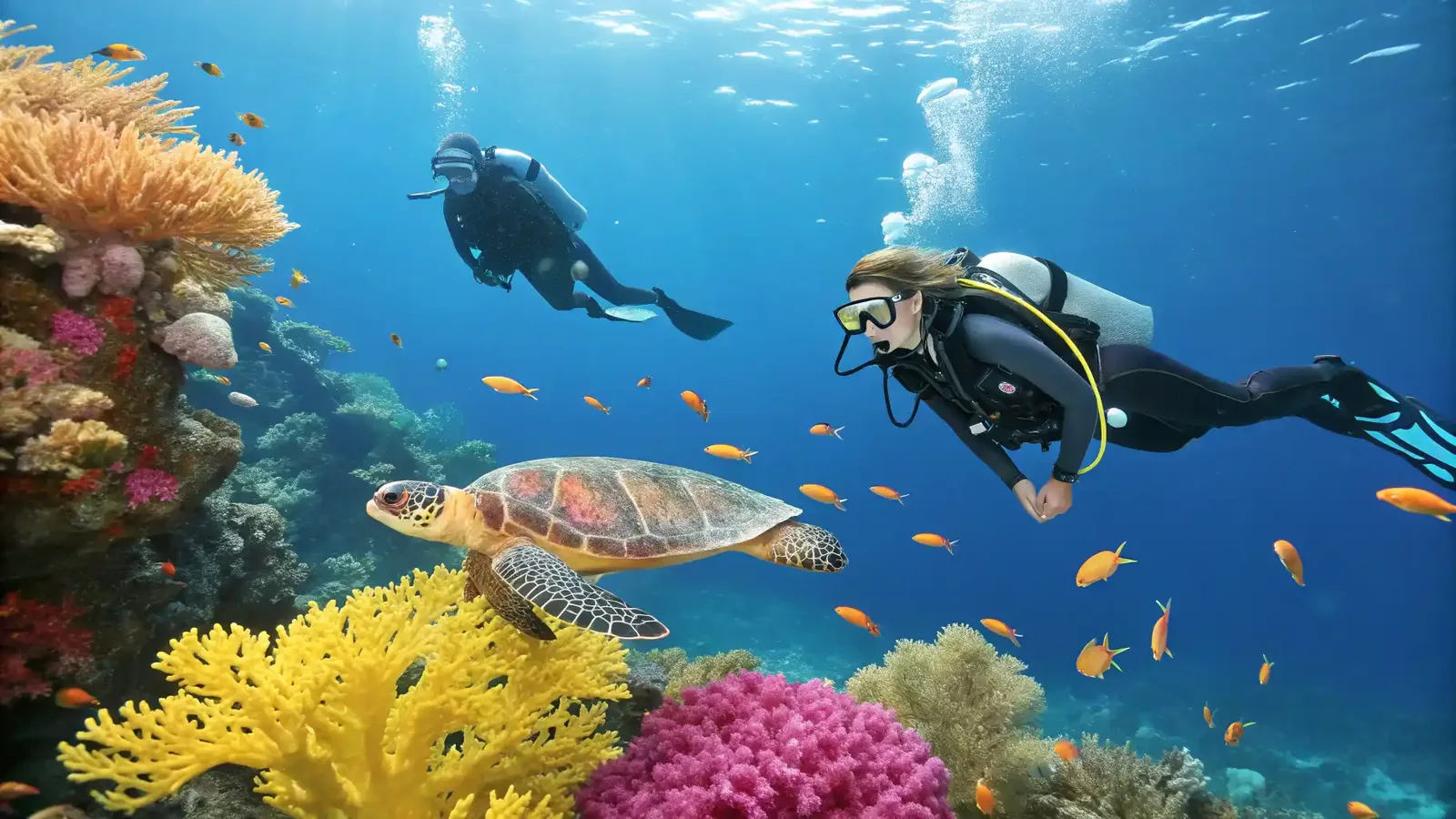
The Impact of Climate Change on Bali’s Diving Industry
The impact of climate change on Bali’s diving industry is becoming increasingly evident, affecting coral reefs, marine biodiversity, and altering diving conditions. Addressing these challenges is crucial for the sustainability of the diving sector.
Climate Change Impact on Bali’s Diving
Climate change exerts profound effects on Bali’s diving industry, influencing both environmental and economic aspects. The island’s renowned coral reefs, spread across approximately 3,000 square kilometres, and its marine biodiversity face significant threats from rising sea temperatures, ocean acidification, and unpredictable weather patterns. These factors collectively endanger the future of diving tourism in Bali, which contributes significantly to the local economy. In fact, tourism accounts for nearly 80% of Bali’s GDP, with diving being a substantial component. Adaptation and mitigation strategies are therefore essential to ensure the sustainability of this vital sector.
Environmental Challenges 2027
By 2027, Bali is expected to encounter significant environmental challenges due to climate change. Coral bleaching events have become more frequent, with notable incidents recorded in 2016 and 2020, severely affecting the health of reefs that are crucial for supporting marine life. The increase in ocean temperatures, sometimes rising by up to 1°C above the normal range, and acidity disrupt the delicate balance of marine ecosystems, leading to a decline in fish populations and biodiversity. Species such as the clownfish and butterflyfish, once abundant, are now less commonly sighted. The diving community is increasingly aware of these challenges and the need for proactive measures to protect these vital ecosystems.
Diving Industry Trends
As the diving industry in Bali adapts to climate change, several trends have emerged. There is a growing emphasis on sustainable diving practices, with dive operators increasingly focusing on eco-friendly tourism and conservation efforts. Initiatives include reducing single-use plastics and encouraging the use of reef-safe sunscreen among divers. Dive schools are also incorporating environmental education into their training programs, promoting awareness among divers about the importance of protecting marine environments. Furthermore, technology is playing a role in monitoring reef health, with underwater drones and AI-driven software being deployed to assess coral coverage and health more accurately. These efforts help support conservation initiatives and ensure that diving remains a sustainable activity in the region.
Adaptation and Mitigation Strategies
To combat the effects of climate change, Bali’s diving industry is adopting various adaptation and mitigation strategies. Dive operators are implementing sustainable practices, such as reducing carbon footprints through energy-efficient operations and promoting responsible diving. Collaborative efforts with local communities and environmental organizations are essential to enhance reef resilience and restore damaged ecosystems. For example, coral gardening projects, where broken coral fragments are nurtured and replanted, have shown promising results in areas like Pemuteran Bay. These initiatives are crucial for maintaining Bali’s appeal as a premier diving destination, ensuring that the natural beauty of its underwater landscapes continues to attract divers from around the world.
2027 Note
By 2027, the urgency for action against climate change has intensified. Bali’s diving industry continues to face environmental challenges, but there is also a stronger commitment to sustainability. With ongoing efforts in conservation and community engagement, there is hope for a balanced approach that safeguards Bali’s marine environments while supporting tourism. Collaborative projects, funded in part by international grants, aim to create a comprehensive strategy for reef preservation and sustainable tourism. The involvement of local communities in these projects not only aids in conservation but also provides alternative livelihoods, helping to reduce the pressure on marine resources.
FAQ
What are climate change impacts on Bali’s diving sites?
Climate change impacts on Bali’s diving sites include increased coral bleaching, altered marine biodiversity, and changing sea conditions. These factors affect the health and appeal of diving locations, potentially leading to fewer tourists and a decline in local revenue. The once vibrant reefs of places like Nusa Penida are increasingly under threat, necessitating immediate action to preserve these natural wonders.
How can divers contribute to conservation efforts?
Divers can contribute by participating in reef clean-ups, which are often organized by local dive shops and conservation groups. Choosing eco-friendly dive operators that adhere to sustainable practices is crucial. Additionally, divers should follow responsible diving practices, such as maintaining buoyancy control to avoid damaging corals and refraining from touching marine life, to minimize environmental impact.
What is the future outlook for Bali’s diving industry?
The future of Bali’s diving industry depends on effective adaptation strategies to mitigate climate impacts, with a focus on sustainable tourism and conservation efforts. By embracing innovative technologies and fostering community involvement, Bali can continue to offer unique diving experiences while protecting its marine environments. The success of these strategies will determine whether Bali remains a sought-after destination for divers globally.