
Triton Bay Liveaboards In 2027
Triton Bay 2027 trips are expected to concentrate between January–April and October–December, with at least 8–12 international-standard Triton Bay liveaboard itineraries already projected across those windows. Most 7–10 night routes will combine Kaimana flights, bagan whale shark encounters, and soft-coral photography along the Bomberai Peninsula.
How easy will it be to fly into Kaimana for Triton Bay liveaboards in 2027?
By 2027, access to a Triton Bay liveaboard Indonesia itinerary will still hinge on domestic connections into Kaimana (KNG). As of August 2026, routes commonly run via major hubs such as Jakarta, Makassar, or Sorong, with 1–2 daily flights in peak months. Schedules can change seasonally, so planning around fixed liveaboard embarkation dates is essential.
Expect most Triton Bay liveaboard dive boat departures to start or finish in Kaimana itself, with port transfers taking 15–30 minutes by car. Because this is a frontier destination compared with Komodo or Raja Ampat, travel buffers are important: arriving at least one night before boarding dramatically reduces the risk of missing the boat due to delays.
Compared with Bali–Labuan Bajo, where DPS–LBJ flights take around 1 hour 15 minutes, Bali–Kaimana routings usually involve an overnight in Jakarta or Makassar and total travel times of 8–14 hours door-to-door. Liveaboard Indonesia price structures in this region therefore often exclude domestic flights, letting guests choose the routing and airline that best fits their international tickets into Indonesia.
What makes Triton Bay’s whale shark bagans special in 2027 itineraries?
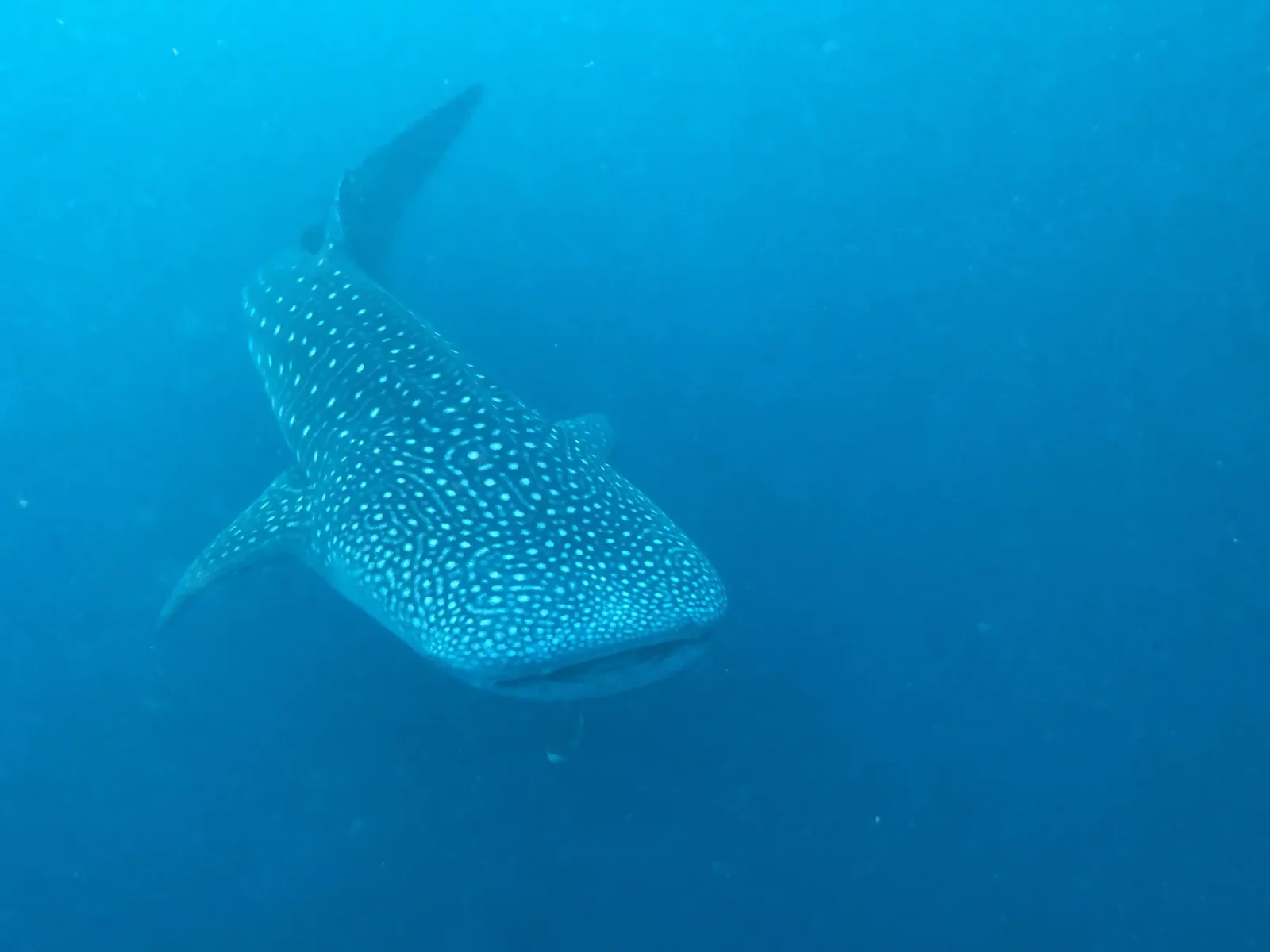
The signature experience on many Triton Bay phinisi liveaboard routes is dawn or pre-dawn encounters with whale sharks around local bagans (traditional fishing platforms). As of August 2026, operators time these interactions with fishermen who attract sharks using anchovy catches, creating reliable yet low-volume viewing opportunities.
For 2027, the expectation is that boat numbers will remain limited compared to more famous sites like Cenderawasih. Some itineraries may also link to a cenderawasih whale shark liveaboard seasonally, offering guests a two-region comparison of whale shark behavior. In Triton Bay, teams typically restrict guest numbers in the water and coordinate with bagan crews to minimize disturbance.
Guest experiences range from snorkeling in available light at the surface to scuba diving at moderate depths where visibility allows. Video and photo-focused guests should expect early wake-ups and multiple brief sessions rather than one long plunge, maximizing interaction windows while respecting the animals and fishermen’s working rhythms.
Is Triton Bay really a top soft-coral photography destination by 2027?
Triton Bay is already widely regarded by underwater photographers as one of Indonesia’s richest soft-coral areas, and that reputation is likely to grow by 2027. Current routes feature bommies and slopes around Aiduma Island and the surrounding bays, where nutrient-rich currents fuel dense soft-coral growth and schools of anthias, fusiliers, and glassfish.
Compared with a traditional coral reef cruise Indonesia in Komodo or a classic raja ampat liveaboard, Triton Bay offers more muted visibility (often 10–20 metres) but extremely vibrant color and fish density. Photographers typically use mid-range zooms or wide-angle lenses with strong strobes to cut through plankton and highlight coral textures.
By 2027, expect itineraries to keep emphasizing slower-paced, repeat dives at key pinnacles so shooters can refine compositions. Many boats already adapt schedules to tidal phases for optimum current strength and lighting, and this trend is likely to continue as more guests specifically request soft-coral and schooling fish scenes over pure big-pelagic hunting.
How will Triton Bay liveaboard prices compare with Komodo and Raja Ampat in 2027?
As of August 2026, Triton Bay liveaboard price ranges for serious dive boats are typically comparable to Raja Ampat and slightly higher than Komodo, largely due to remoteness and logistics. For shared cabins, a realistic 2027 expectation is roughly USD 300–600 per person per night, depending on vessel class and length of trip.
A best Triton Bay liveaboard option in the VVIP segment—similar in style to premium vessels in Liveaboard Bali by Komodo Luxury’s 240+ boat network—could exceed USD 1,000 per person per night, especially for extended private charters. By comparison, as of August 2026, Komodo shared open trips start from around USD 220 per person for 3 days/2 nights, excluding park fees.
Guests planning a combined Komodo–Triton–Raja season should consider total liveaboard Indonesia price exposure: premium sequences can easily surpass USD 8,000–12,000 per person over several weeks. Early booking for 2027 departures typically helps secure better cabin categories and promotional bundles, especially on higher-end Triton Bay yacht cruise and phinisi vessels.
How do 2027 departure patterns link Triton Bay with Komodo and Bali?
Indonesian fleets often reposition between regions following the monsoon patterns. As of August 2026, typical seasons are Komodo April–November, Raja Ampat October–April, and Cenderawasih June–October. Triton Bay is commonly featured in shoulder periods, with 2027 itineraries forecast to cluster in March–April and October–December.
This creates opportunities to build a wider soft adventure expedition cruise Indonesia plan. Guests might start with a Komodo trip in mid-year, using published Komodo liveaboard departure dates as an anchor; then add a Triton Bay segment in late season, and, if time allows, a northern Raja Ampat cruise. Some operators may even offer Raja Ampat–Triton–Kaimana combinations on single voyages.
For Bali-based travelers, a Komodo liveaboard with flight from Bali often forms the “easy” first leg. Bali–Labuan Bajo flights take around 70–80 minutes, and bali to komodo liveaboard departure dates are plentiful April–November. After this, guests can route through Jakarta or Makassar onward to Kaimana to join a quieter, more exploratory Triton Bay liveaboard Indonesia itinerary.
Should divers plan Triton Bay instead of, or as well as, Komodo from Bali?
For many in 2027, the choice will be bali to komodo liveaboard vs flight plus onward Triton Bay travel. A short Komodo open trip remains the easiest extension from Bali, with multiple airlines on the DPS–LBJ route and strong infrastructure. This suits first-timers checking if Bali liveaboards are worth it before committing to remoter expeditions.
A Triton Bay liveaboard dive boat, by contrast, appeals to experienced divers or underwater photographers willing to trade convenience for wilder reefs and whale shark bagans. Compared with a simple bali to komodo cruise vs flight decision, Kaimana access adds extra segments, higher domestic flight costs, and more need for schedule buffers around delayed luggage or weather disruptions.
Many guests therefore structure 2027 trips as a progression: start with a 3–4 night Komodo voyage from Bali, evaluate comfort with life at sea (using resources like first liveaboard tips), then graduate to longer, more remote trips such as Triton Bay, Banda Sea crossings, or a private bali to komodo yacht charter followed by a separate eastern Indonesia itinerary.
- As of August 2026, Komodo open trips from Labuan Bajo start from around USD 220 per person for 3D2N (park fees extra).
- Premium Triton Bay phinisi liveaboard cabins in 2027 are likely to range around USD 300–600 per person per night shared.
- Typical Triton Bay trips run 7–10 nights, often including 20–30 dives plus at least one bagan whale shark session.
- Domestic baggage allowances on Indonesian airlines commonly sit around 20 kg checked plus 7 kg cabin; confirm on your ticket.
- Standard liveaboard Indonesia payment terms are usually 30–50% deposit on booking and full balance 60–90 days before departure.
- Bali–Labuan Bajo flights are around 1h10–1h20 gate-to-gate; Bali–Kaimana routings usually require one or two connections.
- Key documents: passport with 6+ months’ validity, confirmed e-visa or visa-on-arrival eligibility, and dive certification cards.
Frequently asked questions
Triton Bay Liveaboards In 2027?
By 2027, expect a small but growing selection of Triton Bay liveaboards operating mainly January–April and October–December, often 7–10 nights from Kaimana. Many itineraries highlight whale sharks at bagans, dense soft corals, and exploratory dive sites, positioned as a more remote, photography-focused alternative to Komodo and Raja Ampat routes.
What is the best time of year to book a Triton Bay liveaboard in 2027?
The most reliable windows are likely to be late March–April and October–early December 2027. Conditions are generally calmer around these shoulders of the monsoon patterns, helping liveaboard operators hit bagan whale shark sites safely while providing workable visibility on soft-coral slopes and bommies across the wider Kaimana region.
How far in advance should I reserve a Triton Bay phinisi liveaboard?
For peak 2027 periods, booking 9–12 months ahead is sensible, particularly for premium cabins and whole-boat charters. Triton Bay still has limited berths compared with Komodo, so last-minute options are rare. Early commitment also locks in liveaboard Indonesia payment terms and lets you coordinate multi-stop flights and visas without rush.
How does a Triton Bay liveaboard compare in cost to Komodo trips?
As of August 2026, Komodo open trips can start from about USD 220 per person for 3D2N, excluding park fees, while Triton Bay voyages often run USD 300–600 per person per night. The higher rate reflects remote logistics and smaller fleets, making Triton Bay more of a specialist, higher-budget destination than mainstream Komodo trips.
Can I combine Triton Bay with Komodo or Raja Ampat in one Indonesia trip?
Yes, many 2027 travelers will combine regions, for example: Bali–Labuan Bajo for Komodo, then onward via Jakarta or Makassar to Kaimana for Triton Bay, finishing with a Sorong-based Raja Ampat voyage. A luxury liveaboard indonesia planner can help align dates across fleets and manage complex domestic flight connections.
To plan Triton Bay 2027 itineraries, align dates with Komodo or Raja Ampat, or request current pricing, contact the Komodo Luxury desk via WhatsApp 628113823875 or email sales@komodoluxury.com.
Last updated 6 August 2026