Wakatobi By Liveaboard In 2027
A Wakatobi liveaboard 2027 itinerary typically runs 7–10 nights and, as of August 2026, starts around USD 3,000–4,500 per person on a premium vessel, excluding park fees (usually USD 25–40/day). The biggest change for 2027 is more “grand routes” combining Wakatobi with Flores, Komodo, and even Banda Sea crossings.
Why is 2027 such an important year for planning a Wakatobi liveaboard?
By 2027, Wakatobi is projected to sit at the crossroads of several of the best Indonesia liveaboard routes for beginners and intermediate divers. Fleet schedules released in late 2025 already show more boats extending Flores and Banda Sea seasons with extra weeks in Wakatobi between March–June and September–November. This shift is driven by demand for longer “grand routes” that pair iconic areas like Komodo and Raja Ampat with quieter atoll systems.
For guests starting a Wakatobi liveaboard Bali route, this means more one-way itineraries: Bali–Flores–Wakatobi in April–June, then Wakatobi–Banda–Raja Ampat in October. These lines reduce repositioning days and increase dive time over open-water crossings. As of August 2026, several premium liveaboard Indonesia operators already publish draft 2027 dates a full 18–24 months ahead, so early planning is essential, especially for photographers and family groups needing multiple cabins.
Because Komodo remains crowded in its July–September peak, 2027 planning increasingly uses Wakatobi as a “pressure valve”: arrivals shift to shoulder months, combining moderate currents, comfortable sea states, and more relaxed decks for mixed-experience groups.
How do Wakatobi’s atolls differ, and which should be in a 2027 itinerary?
Wakatobi’s four main islands—Wangi-Wangi, Kaledupa, Tomia, and Binongko—are ringed by coral systems that all feel distinct once onboard a Wakatobi phinisi liveaboard or yacht. A 7–10 night Wakatobi yacht cruise can comfortably cover the central three, while Binongko is often reserved for longer crossings due to distance.
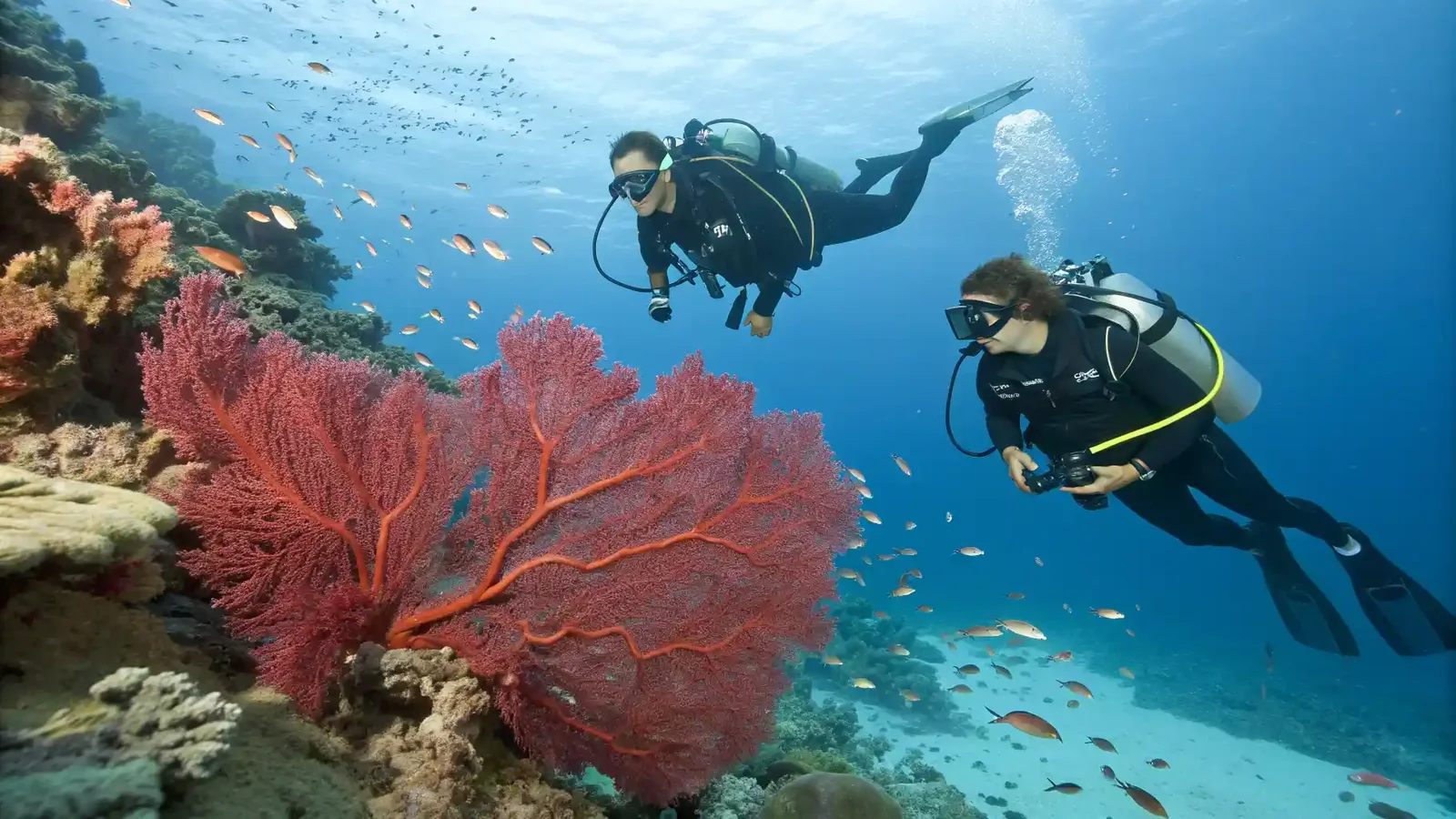
Wangi-Wangi is the logistical gate, with local flights and supply runs. Kaledupa’s outer reefs are known for wide-angle walls and schooling fish, drawing guests seeking the best Indonesia liveaboard for photographers grand routes. Tomia, often considered the heart of a classic wakatobi liveaboard, offers steep walls with sea fans and overhangs in 20–35m plus sheltered bays for night dives. Here, macro and wide-angle swap within a single day: pygmy seahorses on one dive, reefscapes and sponges the next.
Binongko, typically visited on longer 10–12 night expeditions, offers more exploratory diving and fewer boats as of August 2026. For 2027, many operators are pairing these remote atolls with southern Banda Sea or Flores legs, creating some of the best grand routes liveaboard Indonesia can offer for guests who enjoy multi-ecosystem journeys.
How do park and marine fees in Wakatobi work compared with Komodo in 2027?
As of August 2026, marine and park fees in Wakatobi are generally lower and simpler than in Komodo National Park, where foreign divers typically pay about IDR 300,000 per diver per day (around USD 18–24) for the combined marine entrance, diver surcharge, and harbour charges. Wakatobi’s fees are usually structured by marine park access, village permits, and occasionally separate camera or conservation contributions, varying by route and operator.
On a wakatobi liveaboard, operators commonly quote a flat per-day or per-trip supplement—often in the range of USD 20–35 per person per day as of August 2026—for all local permits and conservation levies, then settle them with multiple community or park offices. This streamlined packaging is one reason Wakatobi liveaboard price sheets for 2027 tend to look cleaner than Komodo’s itemised PNBP breakdowns.
Compared with a komodo liveaboard, guests rarely have separate dragon-trekking or ranger fees in Wakatobi, but may see optional village-visit contributions. The best practice is to ask for a written 2027 fee breakdown showing which costs are prepaid and which are cash-onboard, especially if budgeting for a family or private charter.
Why are operators pairing Wakatobi with Flores and Komodo routes in 2027?
The Wakatobi vs Komodo liveaboard decision is changing as more itineraries combine both regions into single “grand routes”. In 2027, Flores to Komodo boat trip schedules are expected to mesh with extended legs to Wakatobi, giving guests a north–south gradient of environments: Komodo’s currents and big pelagics, Flores’ volcanic walls, and Wakatobi’s calmer coral gardens.
Strategically, this uses Indonesia’s seasonality: liveaboard Komodo weather September remains dry and fishy in the north, while Wakatobi sees relatively stable conditions in shoulder months around the southeast monsoon. Operators can run Bali to Komodo liveaboard cruise weeks from April–September, then reposition through Flores to Wakatobi in October before continuing to Banda or Raja Ampat.
For guests, this offers efficient air connections: Bali–Labuan Bajo for Komodo, then regional hops onwards as schedules allow. From a skills point of view, Komodo’s drifts can challenge new divers, whereas Wakatobi’s atolls often feature gentler walls and lagoons. Combining them allows mixed-experience groups or an Indonesia family cruise to balance more advanced days with easier, shallow reefs later in the itinerary.
What does a 2027 Wakatobi liveaboard Bali departure look like in practice?
By 2027, a typical wakatobi liveaboard Bali itinerary will likely start with a short domestic flight from Bali to an eastern hub (such as Labuan Bajo or a Sulawesi gateway), followed by direct transfer to a wooden schooner cruise Bali guests have boarded many times before for Komodo and Raja Ampat routes. Time at sea between regions is managed with night crossings, leaving daytime free for diving.
The best Wakatobi liveaboard options in 2027 are expected to sit in the same Deluxe, VIP, and VVIP classes already used around Komodo and Raja Ampat, with capacities from small 6–8 guest vessels to 18–24 guest phinisis. Onboard, the pattern will mirror other Indonesian routes: three to four dives per day, all meals, tender support, and briefings blending safety with marine biology.
Because Liveaboard Bali by Komodo Luxury is a trusted liveaboard operator based in Bali and part of Juara Holding Group since 2015, guests can often pair a Wakatobi segment with a private Flores or Komodo add-on using the same booking team. Divers undecided between phinisi vs yacht can study this dedicated guide: phinisi vs yacht to understand cabin space, fuel efficiency, and charter pricing across different hull types.
How much will a Wakatobi liveaboard cost in 2027, and what affects the price?
As of August 2026, a premium wakatobi phinisi liveaboard typically ranges from about USD 350–600 per person per night, with the most exclusive VVIP charters much higher. For 2027, expect similar bands adjusted for fuel and operating costs. By comparison, entry-level Komodo shared trips start from around USD 220 per person for 3D2N in 2026 (park fees excluded), showing how remote-atoll routes sit higher on the price spectrum.
Factors driving the wakatobi liveaboard price include vessel class (Deluxe vs VIP vs VVIP), season, charter vs cabin basis, and whether the voyage is part of a longer grand route. A straightforward 7-night route focused only on central atolls will usually be cheaper per day than a 12-night Wakatobi–Banda crossing designed for experienced divers and photographers.
Cancellation flexibility matters for 2027-forward bookings. A clear Indonesia liveaboard cancellation policy typically lays out deposit size (often 30–50%), final-balance due dates (60–90 days before departure), and rebooking or name-change rules. Always request the full policy in writing before transferring deposits, especially if coordinating multiple families or a large private phinisi charter.
- Typical 2027 Wakatobi itineraries: 7–10 nights, 18–30 dives, with 1–2 night crossings between atoll groups.
- Indicative marine/park fees: around USD 20–35 per person per day in Wakatobi as of August 2026, paid onboard or in advance.
- Standard onboard schedule: light breakfast & dive at 07:00–08:00, third dive by mid-afternoon, optional night dive around 18:30–19:30.
- Documents required: passport valid 6+ months, return/onward ticket, dive certification card, and dive insurance recommended.
- Typical air route from Bali: domestic flight of 1–2.5 hours to eastern gateway, then direct transfer to the liveaboard tender.
- Photography support: many vessels offer camera rinse tanks, charging stations (220V), and briefings tailored to wide-angle and macro.
- Group options: full-boat charters from 6–24 guests, or shared departures with twin, double, and family cabins.
Frequently asked questions
Wakatobi By Liveaboard In 2027?
In 2027, Wakatobi by liveaboard will be characterised by more atoll-hopping routes, slightly higher but streamlined park fees, and growing integration with Flores and Banda crossings. Expect 7–10 night trips from about USD 3,000–4,500 per diver as of August 2026, with options to add Komodo or Raja Ampat segments before or after.
Is Wakatobi or Komodo better for a first Indonesia liveaboard?
For the best Indonesia liveaboard routes for beginners, Wakatobi’s generally calmer conditions and easy reef-top depths often suit newer divers better than Komodo’s strongest drifts. Komodo offers dramatic action but can be challenging. Many 2027 guests choose a combined itinerary, starting in Wakatobi for skills and comfort, then sampling gentler Komodo sites later.
How does a Wakatobi route compare with other grand routes like Raja Ampat or Triton Bay?
Wakatobi sits between high-energy Komodo and lush West Papua regions in feel. Coral quality rivals Raja Ampat but with fewer boats, while fish biomass can be slightly lower. Guests planning multi-region trips might pair Wakatobi with areas such as triton bay 2027 for soft corals and whale sharks, creating rich, extended grand routes.
Is Wakatobi suitable for an Indonesia family cruise in 2027?
Yes, many families choose Wakatobi for gentle lagoons, snorkel-friendly drop-offs, and village visits. Key is selecting a premium liveaboard Indonesia vessel with flexible cabin setups and clear safety briefings. Calm anchorages and shorter tender rides can make Wakatobi more comfortable for children and non-divers than busier, current-swept Komodo channels.
Can a Wakatobi itinerary be combined with a private Komodo or Flores charter?
For 2027, demand is rising for custom combinations, such as Wakatobi followed by a Flores–Komodo segment. Guests can often end a scheduled Wakatobi cruise then start a tailored Flores to Komodo boat trip using the same booking team. For full control over dates and dive profiles, explore a dedicated private phinisi charter option.
To plan your Wakatobi liveaboard 2027 route or pair it with Komodo, Flores, or Raja Ampat, contact the Komodo Luxury desk via WhatsApp 628113823875 or email sales@komodoluxury.com for current schedules and detailed quotes.
Last updated 6 August 2026